facebook.com/share/p/1ZVCiaFVsM/
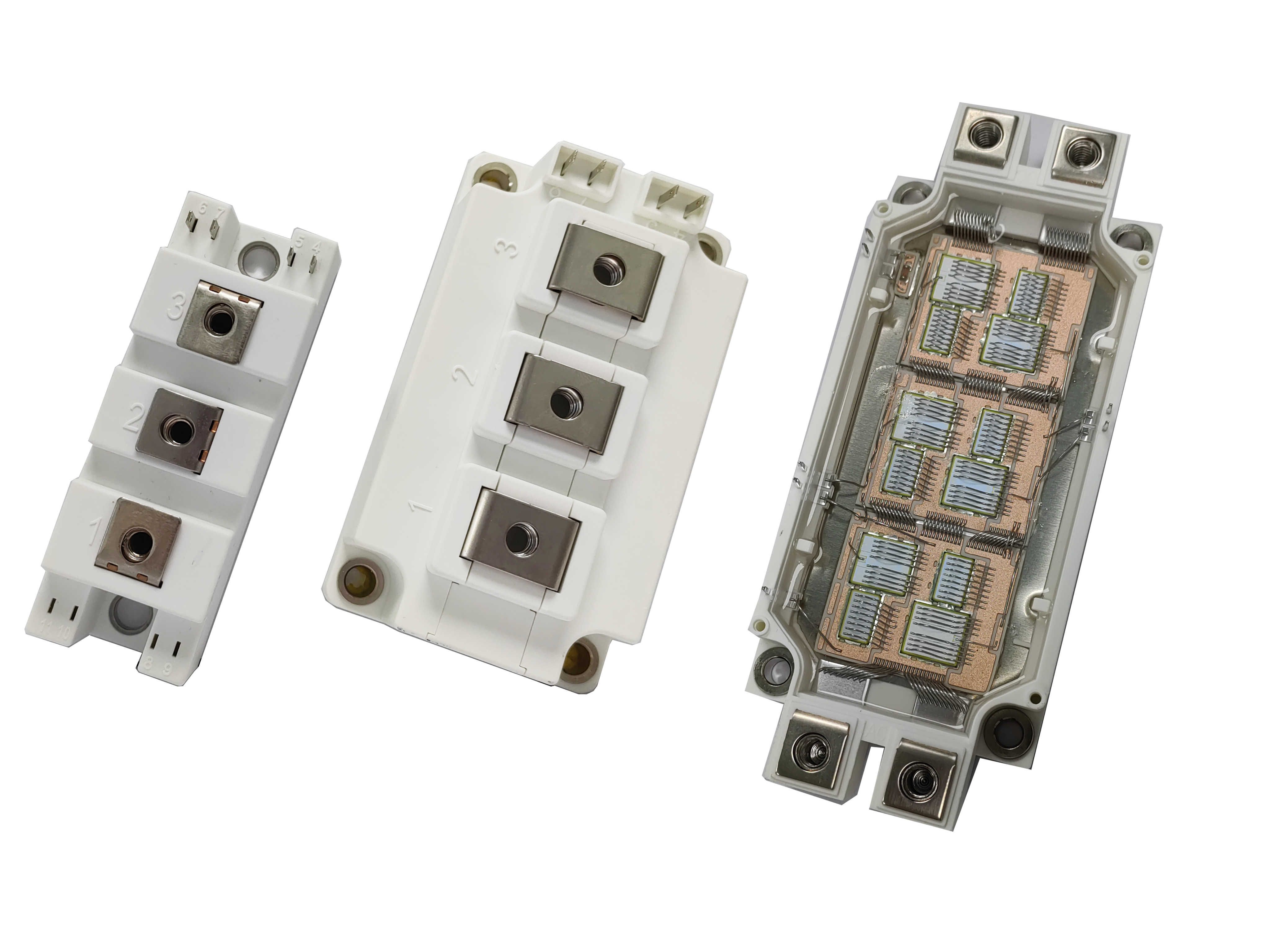
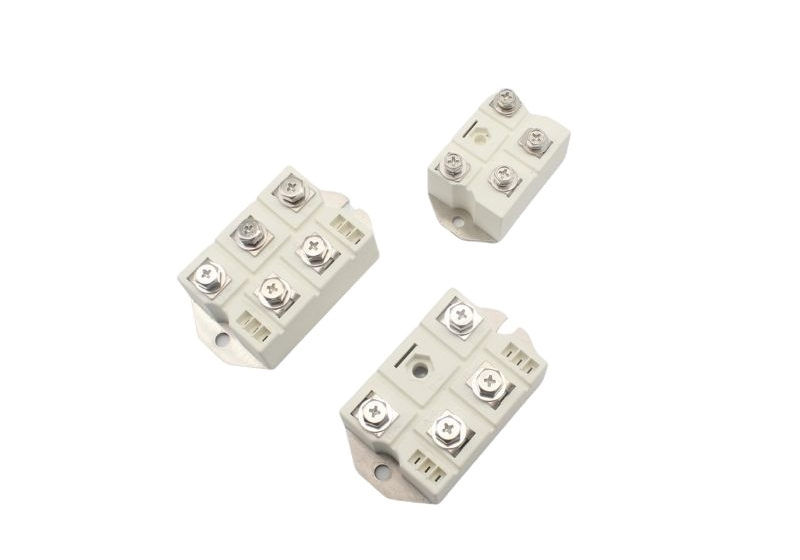
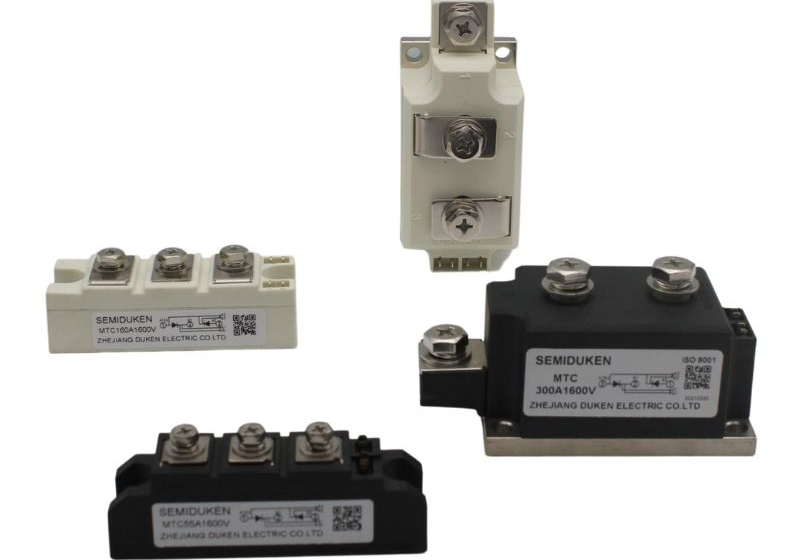
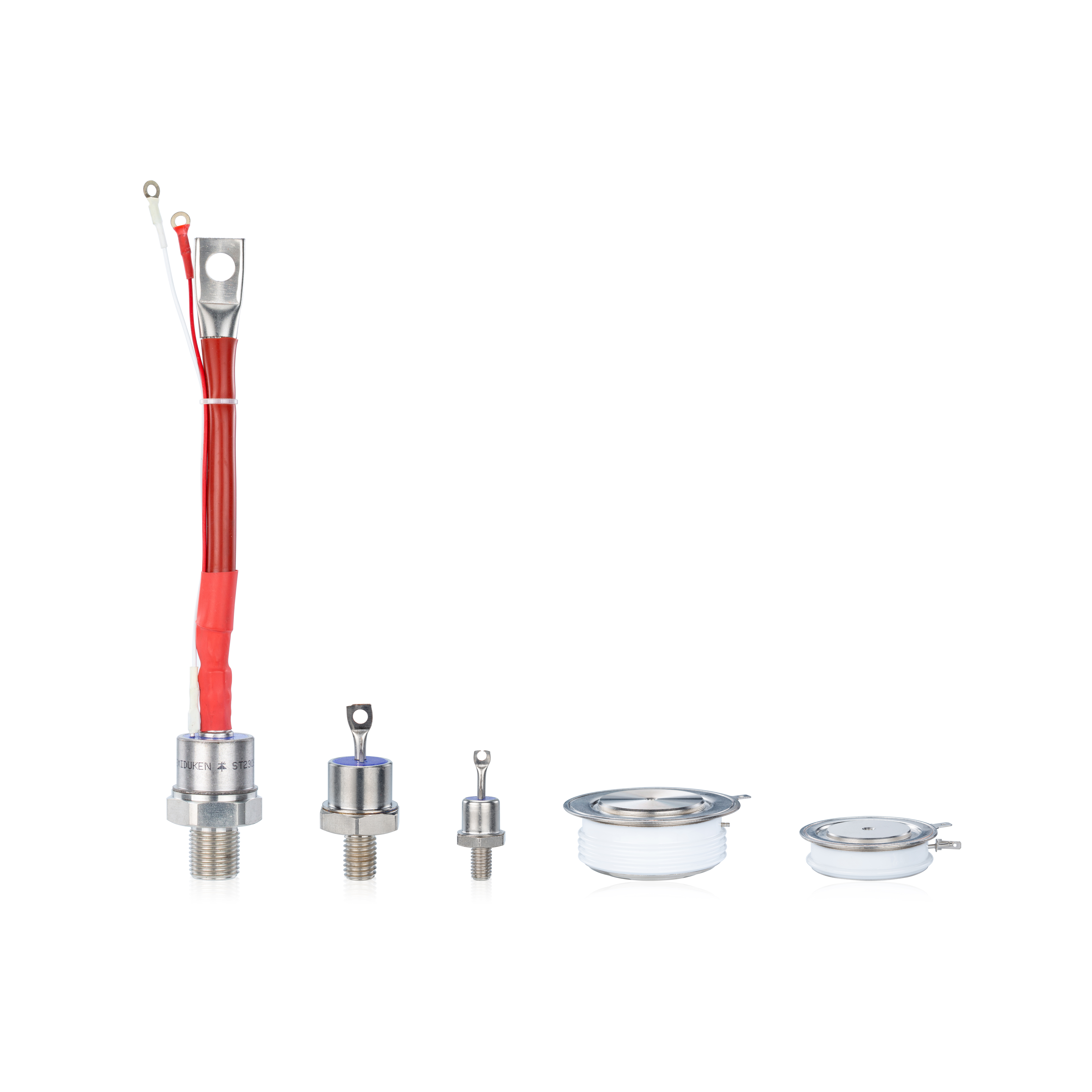
Modern industrial electronics increasingly rely on compact yet powerful solutions. Dual thyristor modules with ceramic bases represent a cornerstone of efficient thermal management, particularly in applications such as elevator systems and industrial phase control. With a focus on minimizing size while maximizing performance, these modules are designed to handle high surge currents, operate with low on‑state voltages, and ensure longevity even under demanding conditions.
1. Ceramic Base Advantages in Thermal Management
A critical design feature in compact power modules is the use of a ceramic base. Ceramic substrates such as aluminum oxide or aluminum nitride provide excellent thermal conductivity and electrical insulation. This dual benefit allows the module to dissipate heat effectively while maintaining operational safety.
In high-power environments like elevator control systems, thermal efficiency is essential. The ceramic base ensures that heat generated within the dual thyristor junctions is rapidly transferred to the heatsink. This feature reduces the risk of thermal hotspots and enables higher operating currents without thermal overload.
2. Compact Package Engineering and Heat Dissipation
Space constraints are common in elevator control panels and industrial machinery. As such, dual thyristor modules are often housed in compact packages. This small footprint design introduces challenges related to heat concentration and dissipation, making it imperative that each component within the module is optimized for thermal performance.
The integration of a ceramic base in a compact package boosts the module’s heat dissipation capacity. When paired with properly applied thermal interface materials and precision-mounted heatsinks, these modules can operate at peak efficiency even under continuous high surge current loads. The low on‑state voltage characteristic of the thyristors further minimizes energy loss and heat generation.
3. High Surge Current and Voltage Efficiency
Dual thyristor modules are built to handle occasional but intense surges in current—common in start-stop elevator operations and phase control systems. These surge events produce significant thermal stress, and the system must be able to absorb and dissipate this heat to prevent failure.
The low on‑state voltage of the devices plays a major role here. By reducing voltage drop during conduction, the modules limit power loss and thermal buildup. This property is particularly beneficial in elevator drives, where frequent load changes can otherwise contribute to rapid heating and long-term component degradation.
4. Industrial Phase Control Applications
In industrial phase control, precise power modulation is key. Dual thyristor modules in compact packages provide the switching control necessary to regulate power flow across three-phase systems. Their ceramic base construction allows for better heat dispersion, making them ideal for continuous duty applications.
Elevator systems are a prime example. In these systems, reliable control of motor speed and braking is crucial. Dual thyristor modules with ceramic bases help maintain stable operation by ensuring temperature rise remains within safe margins, even under variable loads.
5. Long-Term Reliability Through Thermal Design
Effective thermal design directly influences the reliability and lifespan of power electronics. Modules that integrate a ceramic base and operate in compact packages benefit from enhanced mechanical integrity and reduced thermal cycling stress. These properties are particularly valuable in applications like elevator systems, where uptime and safety are paramount.
Manufacturers are also exploring advanced ceramic materials and multi-layer substrate designs to further reduce thermal resistance. These innovations support the growing need for higher performance in smaller packages without sacrificing thermal reliability.