Case Study: Improving Oven Efficiency and Reducing EMI with Advanced Technology
In industrial manufacturing, the importance of efficient ovens cannot be overstated. These systems play a vital role in processes such as heat treatment, curing, and drying. However, older ovens often come with significant drawbacks, including high energy consumption and the production of electromagnetic interference (EMI), which can disrupt nearby electronic systems. This case study explores how retrofitting an industrial oven with modern servo drives, temperature control systems, and dual thyristor modules helped resolve both of these issues, leading to improved energy efficiency and reduced EMI.
The Initial Issues
The industrial oven in question had been in operation for many years and had started to show signs of inefficiency. Energy consumption was higher than expected, and the temperature control system was unable to maintain consistent heat levels, which led to product defects and quality issues. Additionally, the oven produced a considerable amount of EMI, which interfered with other equipment in the factory, creating an unstable environment.
One of the major problems was the oven’s inability to handle high surge currents during its heating cycles. This resulted in erratic performance, frequent breakdowns, and poor energy efficiency. The system's servo drives could not properly manage the power required for high-demand periods, and the outdated temperature control system led to significant fluctuations in the oven’s heating output.
Retrofit Solution
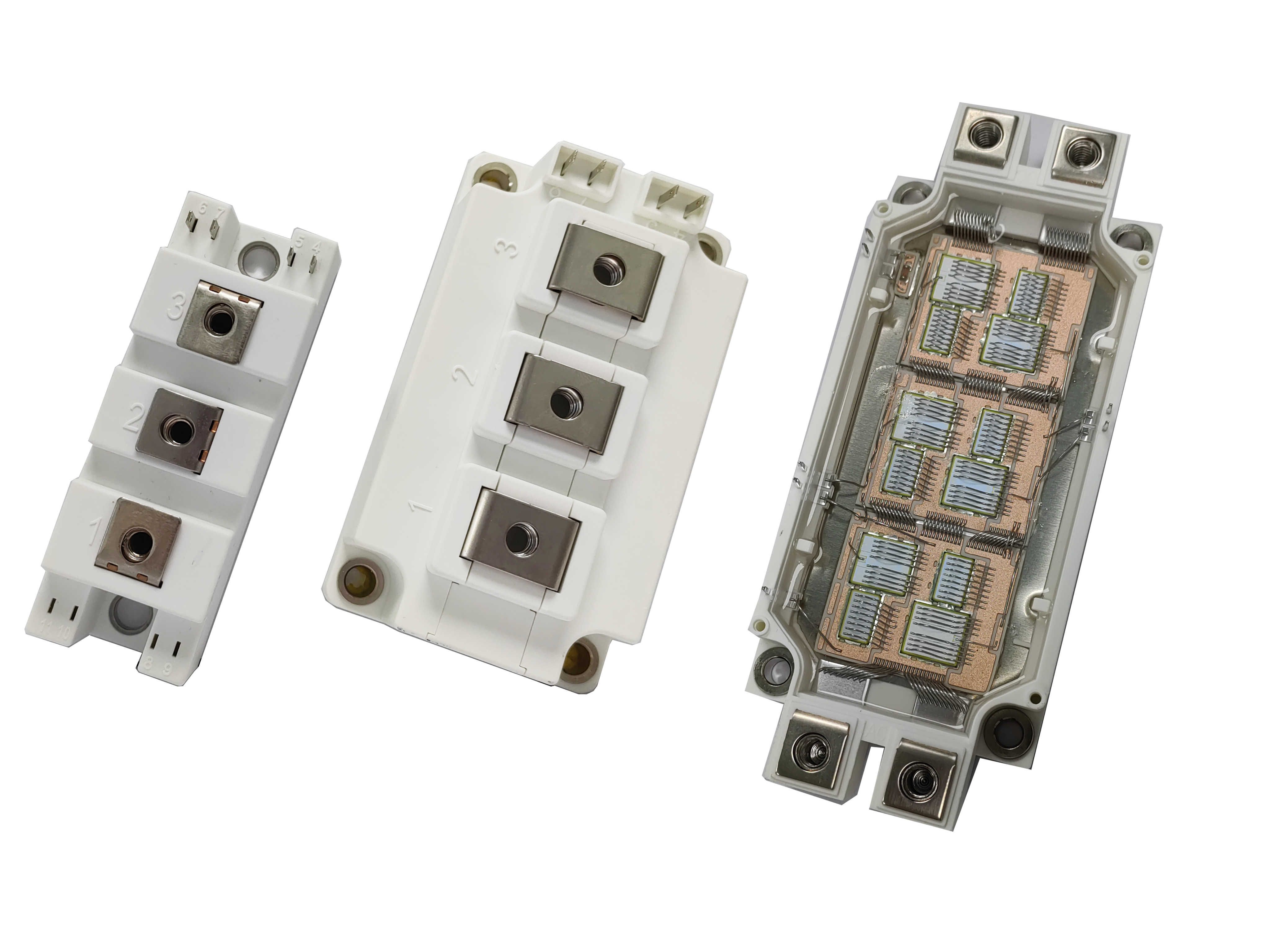
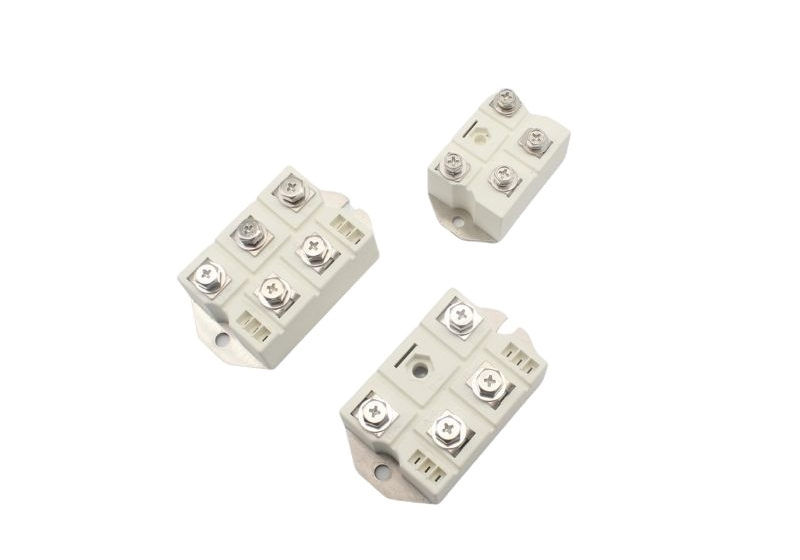
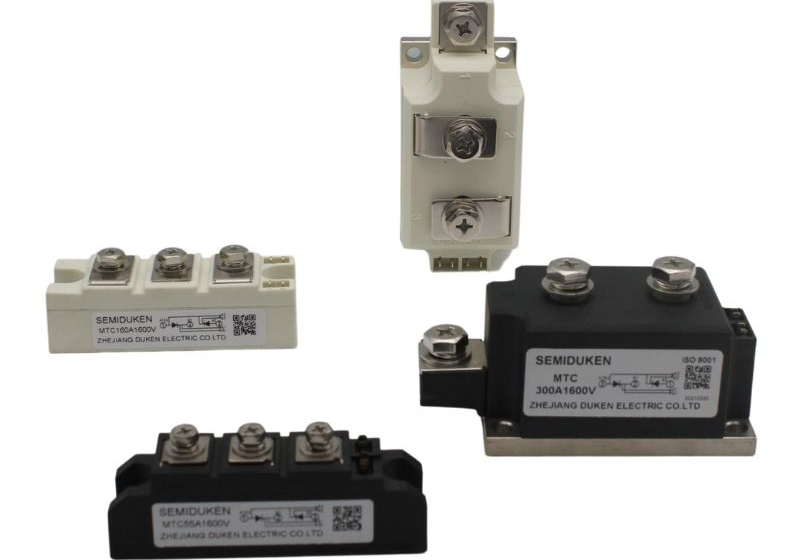
To address these challenges, the factory decided to retrofit the oven by integrating modern technologies. The first step was to upgrade the servo drive system to a more efficient model that could precisely control the heating elements. This upgrade helped reduce the power used during heating cycles and allowed for more stable temperature control. The next step was the installation of a 1600V dual thyristor module, which was specifically chosen for its ability to manage high surge currents while reducing EMI.
The dual thyristor module played a key role in the retrofit. Its ability to handle high surge currents helped stabilize the oven’s power output, reducing the likelihood of erratic performance and energy waste. At the same time, the servo drive provided accurate control over the oven’s heating system, ensuring that energy was used efficiently, and temperatures remained consistent.
Results and Benefits
The retrofit resulted in several key benefits for the factory. The most immediate impact was on energy efficiency. By upgrading to more efficient servo drives and a modern temperature control system, the oven was able to use significantly less power during its operation. This led to a noticeable reduction in energy bills, allowing the factory to reduce operational costs while meeting its sustainability goals.
In terms of EMI, the installation of the dual thyristor module made a considerable difference. By effectively managing high surge currents, the module significantly reduced the EMI generated by the oven. This created a more stable environment for the other machinery in the factory and minimized interference with sensitive equipment.
Another key benefit was a reduction in maintenance costs. The upgraded components were more robust and reliable, leading to fewer breakdowns and extended operational uptime. The servo drives and temperature control systems were designed to handle the demands of modern industrial applications, making them more durable and long-lasting.
Long-Term Impact
The long-term impact of the retrofit was significant. Over time, the factory experienced reduced energy costs, improved product quality, and fewer maintenance issues. The oven’s consistent performance helped stabilize the production process, reducing defects and increasing product consistency. Additionally, the factory experienced fewer disruptions from EMI, allowing other machinery to operate more reliably.
Moreover, the improved energy efficiency contributed to the factory’s sustainability goals. By using less power, the factory was able to reduce its overall environmental footprint, aligning with industry trends toward more energy-efficient and environmentally friendly manufacturing practices.
Conclusion
This case study highlights the significant advantages of retrofitting older industrial ovens with modern technology. By upgrading the servo drive system, integrating a 1600V dual thyristor module, and implementing advanced temperature control systems, the factory was able to enhance both energy efficiency and performance.
The retrofit not only resulted in lower energy consumption and reduced EMI but also improved the overall stability of the oven, leading to fewer breakdowns, lower maintenance costs, and higher-quality products. As industries continue to focus on sustainability and efficiency, retrofitting aging equipment with advanced solutions is an effective way to meet these challenges.