Replacement Procedures for Thyristor Modules in Electrolysis Rectifiers
Replacing thyristor modules in electrolysis rectifiers is a vital maintenance procedure to ensure that the system operates reliably and efficiently over its lifecycle. Electrolysis rectifiers are responsible for converting alternating current (AC) to direct current (DC), which powers many industrial processes, such as electroplating, aluminum refining, and chemical production. The thyristor modules that regulate this conversion can degrade over time due to electrical stress, high currents, and thermal cycling. Replacing these modules promptly ensures that the system continues to function at peak performance, preventing potential failures and improving energy efficiency.
In this article, we will focus on the importance of panel-mount anti-parallel configuration, aluminum-oxide baseplates, and RoHS-compliant modules during the replacement of thyristor modules in electrolysis rectifiers.
1. Understanding the Importance of Thyristor Modules
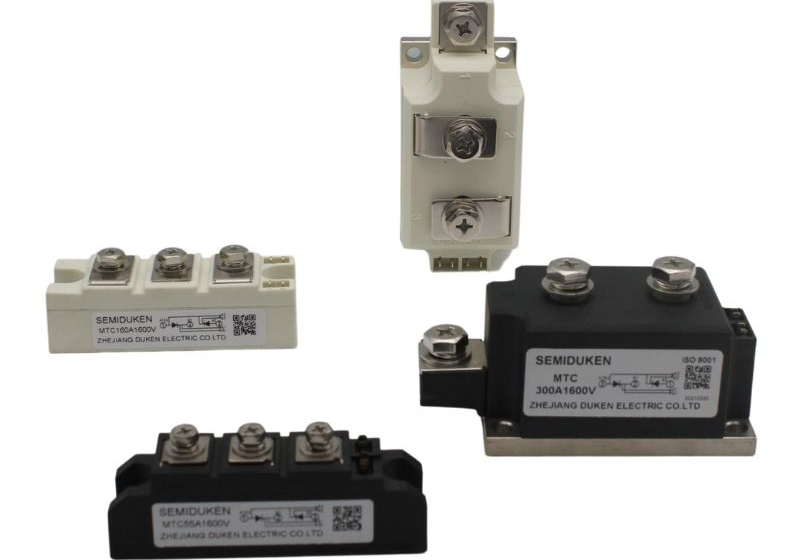
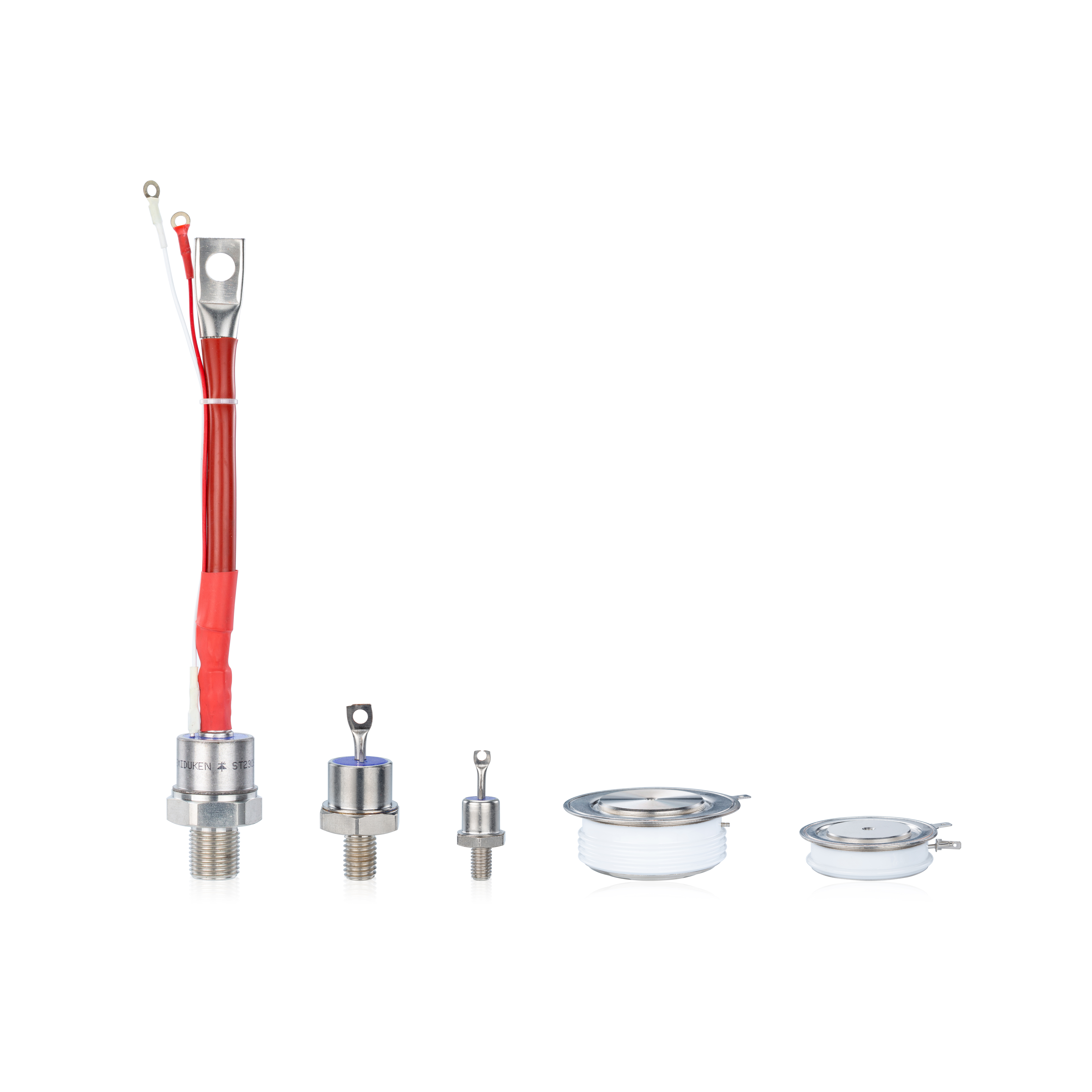
Thyristor modules are essential components in electrolysis rectifiers, as they control the conversion of AC to DC and manage the current flowing through the system. These modules experience considerable electrical and thermal stresses, especially in high-power electrolysis applications. As a result, regular maintenance and timely replacement are critical to ensure the system continues to operate efficiently.
Common signs that thyristor modules may need replacement include:
Decreased performance: If the rectifier is not providing stable DC or is showing signs of inefficiency.
Excessive heat generation: If the thyristor modules are overheating despite having proper cooling.
Faulty operation: If the modules are not switching properly or if there are signs of electrical failure, such as sparks or inconsistent power output.
Replacing these modules with high-performance replacements ensures that the rectifier continues to operate without interruption and without compromising the quality of the electrolysis process.
2. Panel-Mount Anti-Parallel Configuration for High Current Handling
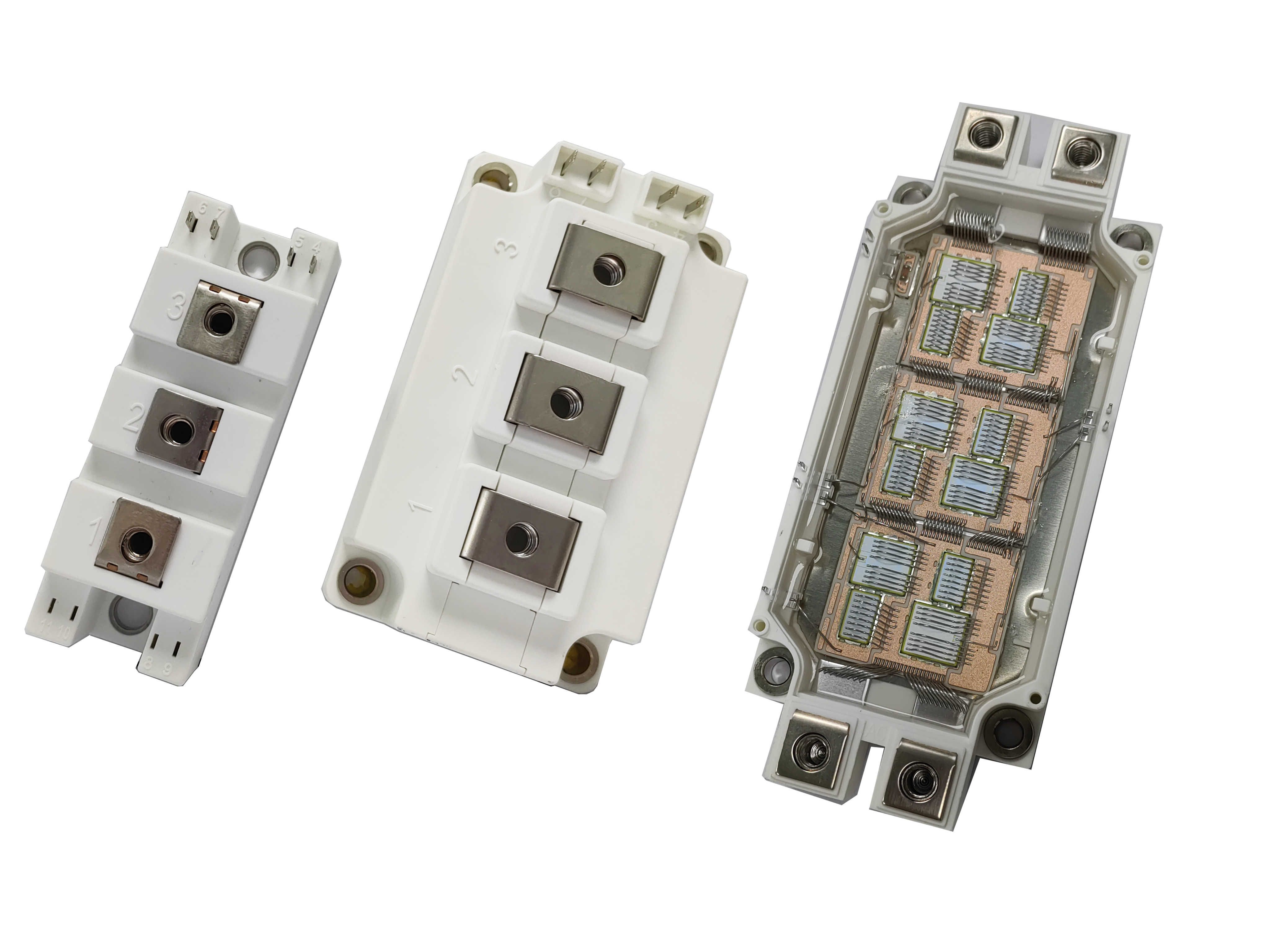
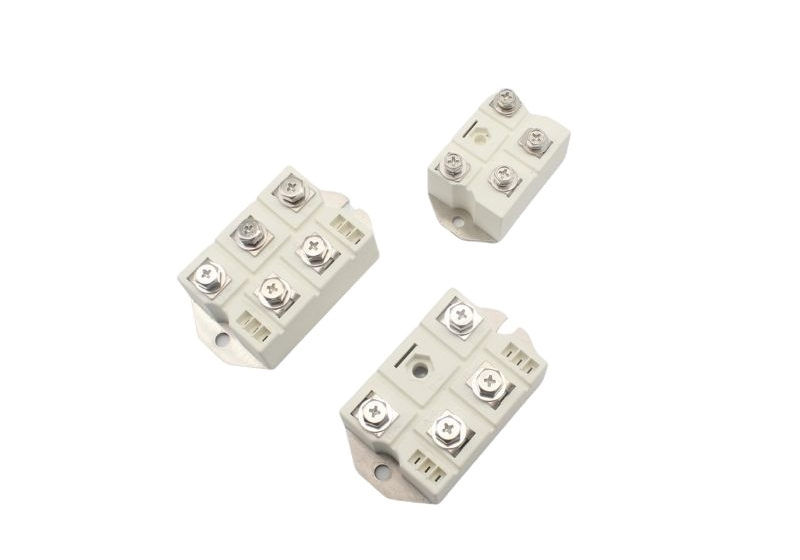
When replacing thyristor modules in electrolysis rectifiers, the panel-mount anti-parallel configuration is often used. This configuration involves connecting two thyristor devices in parallel, which helps distribute the current load evenly, ensuring high reliability and efficiency.
The panel-mount design offers several advantages:
Ease of installation: It allows for the quick and straightforward replacement of faulty modules.
Improved power control: The anti-parallel configuration ensures stable power delivery even under varying load conditions.
Thermal management: The parallel design helps balance the thermal stress on each thyristor module, preventing overheating and ensuring long-term reliability.
This configuration is especially important in electrolysis rectifiers, which need to handle high currents and maintain stable voltage output. When replacing modules, it is important to select thyristor modules that support the panel-mount anti-parallel configuration to maintain operational stability.
3. Aluminum-Oxide Baseplates for Efficient Heat Dissipation
Heat is a major concern in high-power electrolysis rectifiers, and without proper thermal management, thyristor modules can quickly degrade or fail. Aluminum-oxide baseplates are an excellent solution for efficient heat dissipation.
The advantages of aluminum-oxide baseplates include:
High thermal conductivity: Aluminum oxide has superior thermal conductivity, allowing heat to be quickly transferred away from the module, ensuring it remains within safe operating temperatures.
Enhanced durability: The baseplates help improve the longevity of the modules by reducing the thermal stress that leads to wear and tear.
Improved system stability: By keeping the thyristor module cool, aluminum-oxide baseplates help maintain consistent current flow and prevent overheating during peak load conditions.
When replacing thyristor modules in electrolysis rectifiers, it is critical to ensure that the new modules come with aluminum-oxide baseplates to help maintain thermal stability and extend the life of the modules.
4. RoHS-Compliant Modules for Environmental Safety
As industries around the world move toward greater sustainability, selecting RoHS-compliant modules has become increasingly important. RoHS stands for "Restriction of Hazardous Substances," and it ensures that the components used in industrial equipment do not contain harmful substances such as lead, cadmium, or mercury.
For electrolysis rectifiers, the benefits of choosing RoHS-compliant thyristor modules include:
Regulatory compliance: Ensures that the rectifier system meets environmental and safety standards, reducing the risk of legal penalties.
Sustainability: Using RoHS-compliant modules helps minimize the environmental impact of manufacturing processes and promotes the use of safer, eco-friendly materials.
Worker safety: RoHS-compliant modules are safer to handle during installation and maintenance because they do not contain toxic substances.
When replacing thyristor modules in electrolysis rectifiers, it is essential to select RoHS-compliant modules to ensure environmental safety and regulatory compliance.
5. Conclusion: Ensuring Long-Term Stability and Efficiency
Replacing thyristor modules is a critical procedure for maintaining the efficiency and reliability of electrolysis rectifiers. By selecting modules with panel-mount anti-parallel configuration, aluminum-oxide baseplates, and RoHS compliance, operators can ensure that the rectifier operates safely and effectively, even under high-load conditions.
Regular maintenance, including timely replacement of degraded modules, will help improve system performance, reduce downtime, and extend the lifespan of the electrolysis rectifier, ensuring that the system remains operational and efficient for years to come.