The Role and Advantages of Thyristor Modules in Industrial Heating: Optimizing Performance in High-Power Applications
In high-power industrial systems like plasma cutting, energy storage, and industrial heating, managing electrical power efficiently is crucial to ensuring optimal system performance, longevity, and reduced operational costs. Thyristor modules, particularly dual thyristor modules, have become an essential component in these high-power systems due to their ability to handle high surge currents, reduce energy loss, and improve overall system efficiency.
This article explores the advantages of using thyristor modules in industrial heating systems, with a focus on their ability to improve energy efficiency, handle surge currents, and extend the lifespan of critical equipment in high-power applications like plasma cutting, energy storage systems, and industrial heating.
The Importance of Thyristor Modules in High-Power Applications
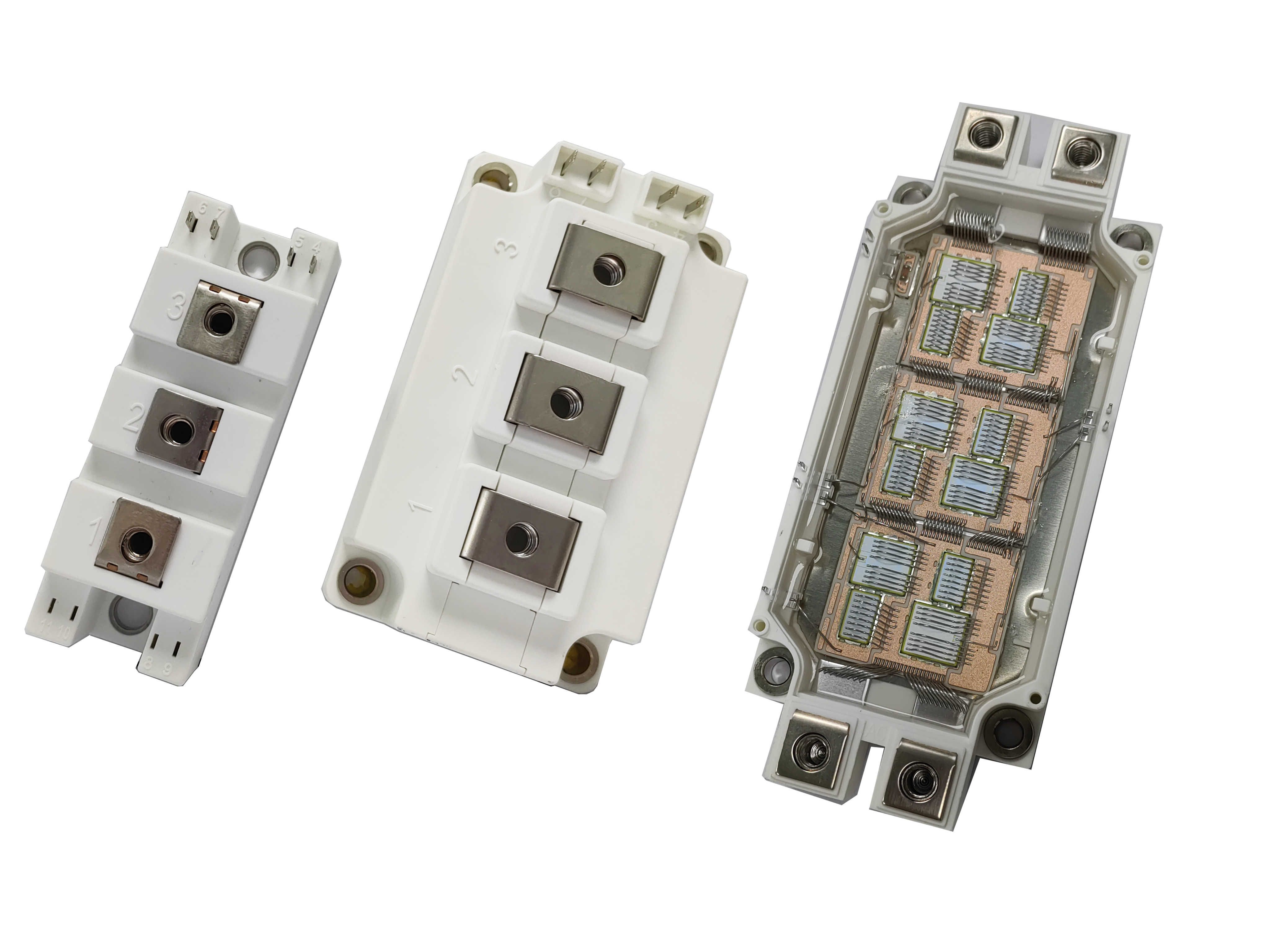
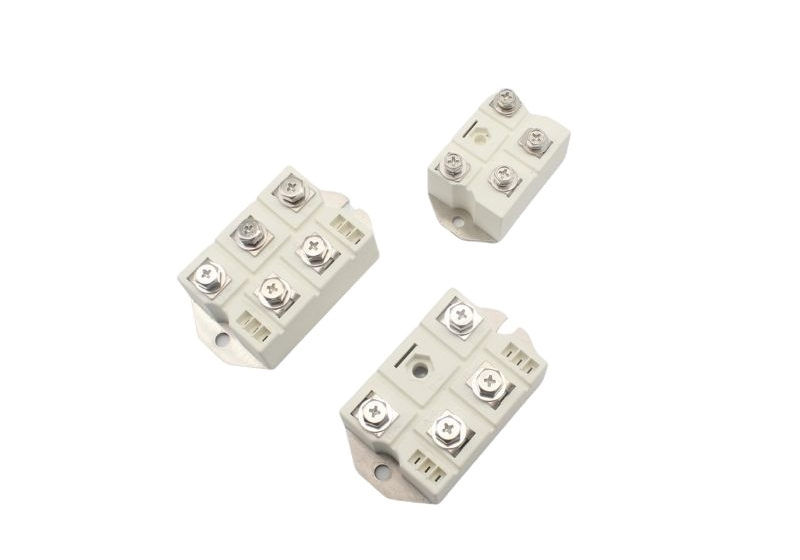
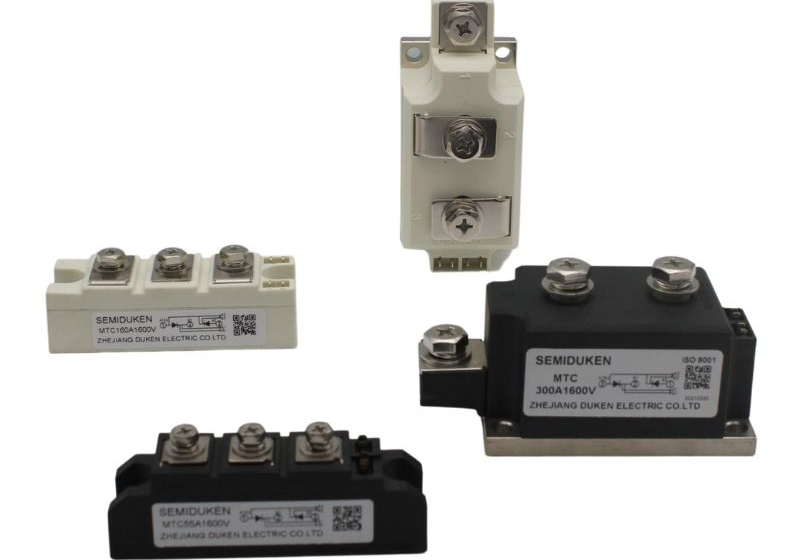
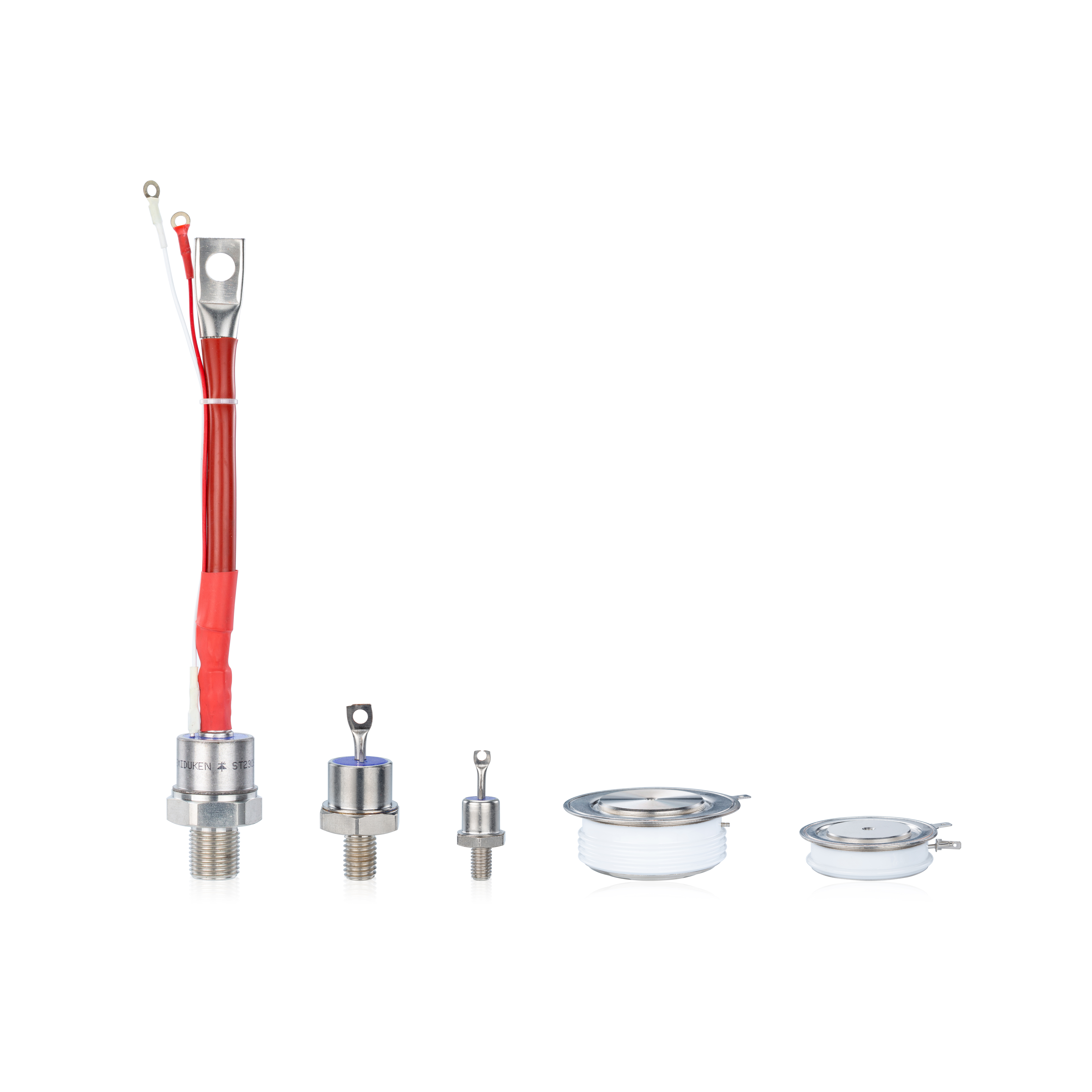
Thyristor modules are semiconductor devices that act as switches, controlling the flow of electricity in high-voltage systems. In industrial heating applications, such as plasma cutters and high-frequency anodizing, thyristor modules ensure that power is delivered efficiently and that energy waste is minimized. These modules are particularly useful in managing high surge currents, which are common when the system is powered on or when the load fluctuates.
In systems like plasma cutters, where surge currents can reach up to 14500A, regulating the current flow is essential to prevent system instability. Thyristor modules are designed to absorb and control these surge currents, ensuring that the system operates smoothly and without damage to sensitive components. This capability is also critical in energy storage systems, such as HVDC systems, where large amounts of energy are stored and transmitted over long distances.
Key Advantages of Thyristor Modules in Industrial Heating
Surge Current Handling Capacity: One of the most significant advantages of using thyristor modules in industrial heating systems is their ability to manage high surge currents. High-power applications like plasma cutting and energy storage systems often experience sudden spikes in current, which can damage sensitive components and reduce system efficiency.
Low On-State Voltage: Another key advantage of thyristor modules is their low on-state voltage. The on-state voltage refers to the voltage drop across the thyristor when it is conducting current. A lower on-state voltage reduces energy loss during operation, which is particularly important in energy-intensive applications.
Thermal Management and Reliability: High surge currents and prolonged operation generate substantial heat in industrial systems. Effective thermal management is essential to prevent overheating, which can lead to component failure and reduced system reliability.
Energy Efficiency: The primary advantage of using thyristor modules in industrial heating applications is their ability to improve energy efficiency. By reducing on-state voltage and efficiently managing surge currents, these modules help reduce energy consumption and improve the overall efficiency of the system.
Applications of Thyristor Modules in High-Power Systems
Thyristor modules are widely used in high-power industrial systems, including plasma cutters, energy storage systems, and industrial heating applications. In plasma cutting, where surge currents are common, dual thyristor modules help regulate the power and ensure the system operates efficiently. These modules are essential for maintaining stability and ensuring efficient energy use.
In energy storage systems, particularly HVDC systems, thyristor modules play a critical role in controlling the power flow to and from the storage units. These modules help ensure that energy is stored and released efficiently, reducing waste and improving system performance.
In industrial heating systems, such as high-frequency anodizing and desalination, thyristor modules regulate the power delivered to the load. By managing surge currents and reducing on-state voltage, these modules help improve energy efficiency, extend the lifespan of components, and reduce maintenance costs.
Conclusion
The use of dual thyristor modules in plasma cutters, energy storage systems, and industrial heating applications results in significant improvements in system performance and energy efficiency. By managing surge currents, reducing on-state voltage, and improving thermal management, these modules enhance system stability, reduce energy waste, and ensure reliable operation.
For example, using dual thyristor modules with optimal surge current handling and low on-state voltage can improve energy efficiency by 20-30%. This reduction in energy waste leads to lower operational costs and enhanced system reliability, making the system more cost-effective and sustainable.
Thyristor modules are indispensable components in high-power systems, particularly in plasma cutters, energy storage systems, and industrial heating applications. Their ability to handle surge currents, reduce on-state voltage, and improve thermal management makes them essential for maintaining efficient, reliable, and stable operation. In high-power applications, where precision and energy efficiency are paramount, thyristor modules help optimize system performance, reduce energy waste, and extend the lifespan of critical components.
In applications like high-frequency anodizing, industrial phase control, and HVDC systems, the role of thyristor modules cannot be overstated. By improving surge current handling, reducing energy waste, and optimizing power control, these modules ensure that high-voltage systems perform optimally, reducing waste and enhancing overall operational efficiency.