Optimizing Thyristor Modules for Industrial Soft Start Applications
In the modern industrial landscape, soft start systems are essential for ensuring the smooth operation of large motors and reducing mechanical stress during startup. As industries continue to demand higher efficiency and better control over power systems, upgrading thyristor modules for these soft starters becomes increasingly important. This article discusses how to optimize thyristor modules for industrial soft start applications, focusing on key factors such as surge protection, temperature regulation, and voltage control.
Surge Protection and Power Efficiency
Surge protection is a critical aspect of any soft start system. Industrial applications, especially in areas such as furnace heating or HVDC systems, are often subjected to high surge currents that can cause significant damage to electrical components. Thyristor modules are designed to manage these high surge currents, protecting the system from potential damage and extending the lifespan of the equipment.
Modules designed to handle high surge currents are particularly important in systems where large loads are started and stopped frequently. For instance, in desalination plants or systems that require high surge current handling, these modules can efficiently manage power flow and protect other components from the strain of sudden electrical spikes. The dual thyristor module is a great option for these applications, as it offers superior surge current handling while maintaining low on-state voltage. This helps to minimize power losses and improve system efficiency.
High Surge Current Handling for Motor Soft Starters
In motor soft starter applications, handling high surge currents efficiently is paramount. When a motor is started, it typically experiences a significant surge of current that can be damaging if not managed properly. Thyristor modules that are capable of managing these surge currents ensure that the motor operates smoothly and efficiently during startup.
For example, in applications such as industrial phase control, where precise control of power flow is necessary, a dual thyristor module can provide enhanced performance by regulating both the positive and negative phases of the current. This feature is particularly useful for controlling the speed of motors and preventing excessive wear on the equipment, which can result from high surge currents.
Temperature Regulation in Industrial Soft Start Systems
Temperature control is a major factor when selecting thyristor modules for motor soft starters. Overheating can cause significant damage to both the motor and the soft starter system, making it essential to choose modules that can efficiently regulate temperature.
Thyristor modules with built-in temperature control capabilities help maintain safe operating conditions by preventing the modules from reaching temperatures that could lead to component failure. These modules are particularly important in solar inverter systems, where precise temperature control is essential for maintaining optimal performance and avoiding system failure due to overheating.
Moreover, temperature control also plays a role in maintaining power efficiency. By ensuring that the thyristor modules are operating within an optimal temperature range, the system can function more efficiently, reducing energy losses and ensuring longer service life.
Dual Thyristor Modules for Superior Control
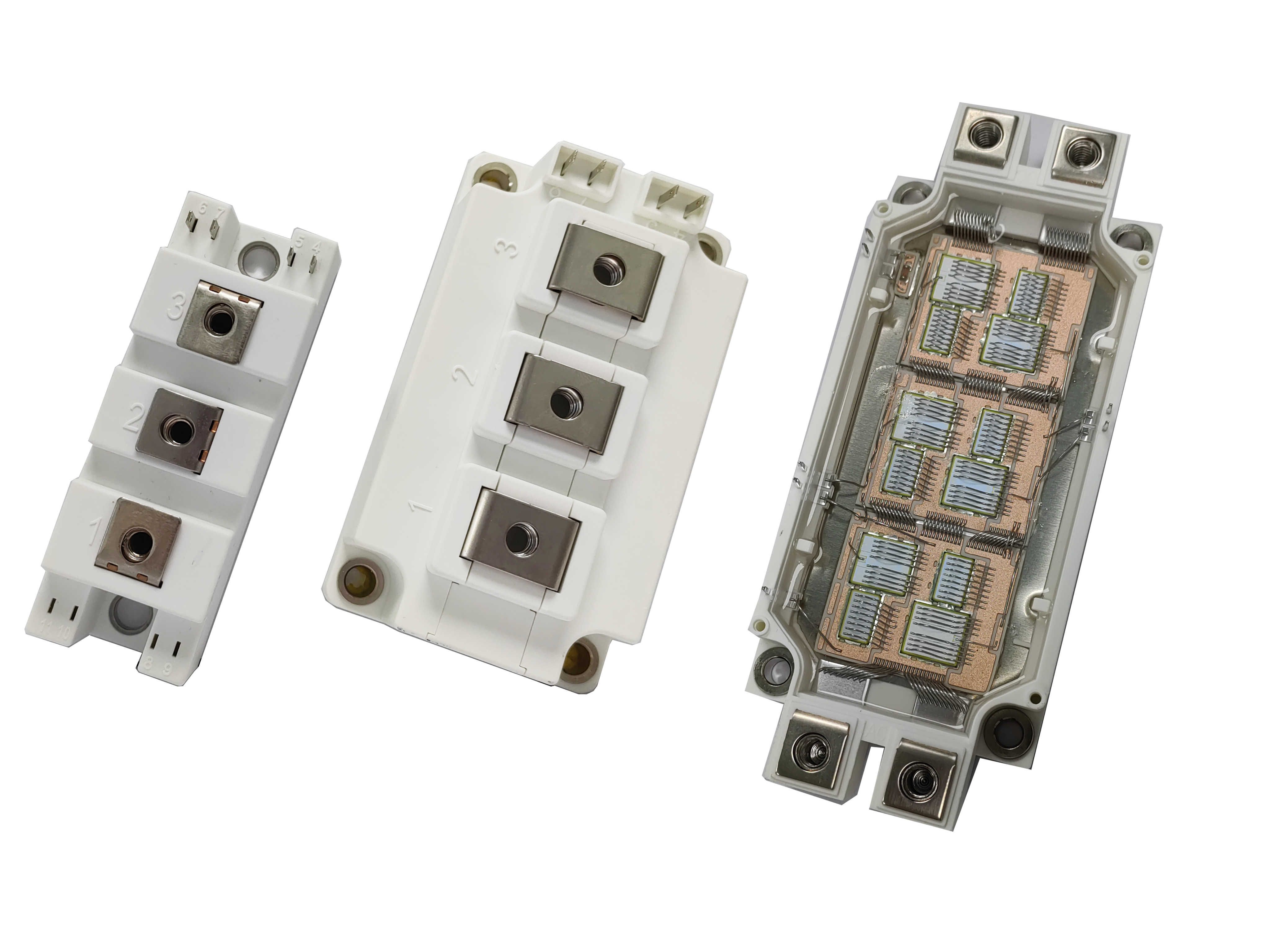
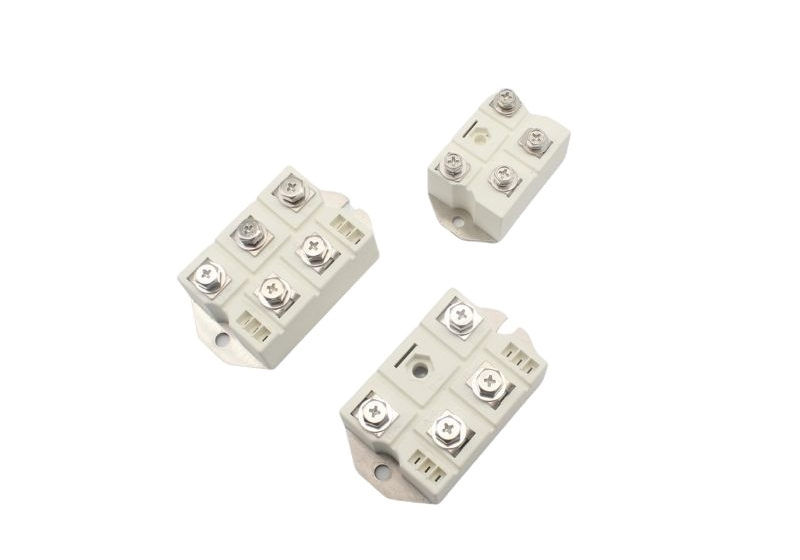
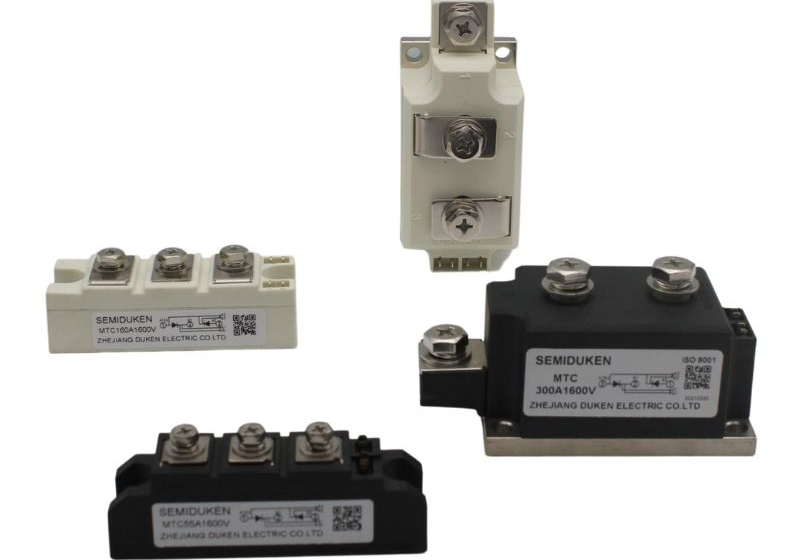
Dual thyristor modules provide several advantages in industrial soft start applications. These modules allow for better control over the power flow, enabling smoother and more efficient operation of the motor. In systems where both high surge currents and temperature fluctuations are present, dual thyristor modules ensure stable performance by offering precise control over both the positive and negative cycles of power.
In applications such as industrial phase control or solar inverters, the ability to manage high surge currents and temperature variations is crucial. Dual thyristor modules allow for enhanced control over these parameters, ensuring the system operates reliably even under challenging conditions. These modules also help to reduce power losses and improve overall system performance.
Conclusion
Upgrading thyristor modules for motor soft starters is an essential step in improving the efficiency and reliability of industrial applications. By focusing on surge protection, high surge current handling, and temperature regulation, engineers can optimize the performance of motor soft starters and extend the lifespan of their systems. The use of dual thyristor modules, in particular, offers enhanced control over power flow and better management of high surge currents and temperature fluctuations.
Whether dealing with furnace heating systems, HVDC surge protection, or solar inverters, choosing the right thyristor module is critical for ensuring the smooth operation of motor soft starters. With the right modules in place, industrial applications can achieve greater energy efficiency, reduced downtime, and longer equipment life.