Engineering Considerations for Voltage and Current Ratings in UPS Thyristor Modules
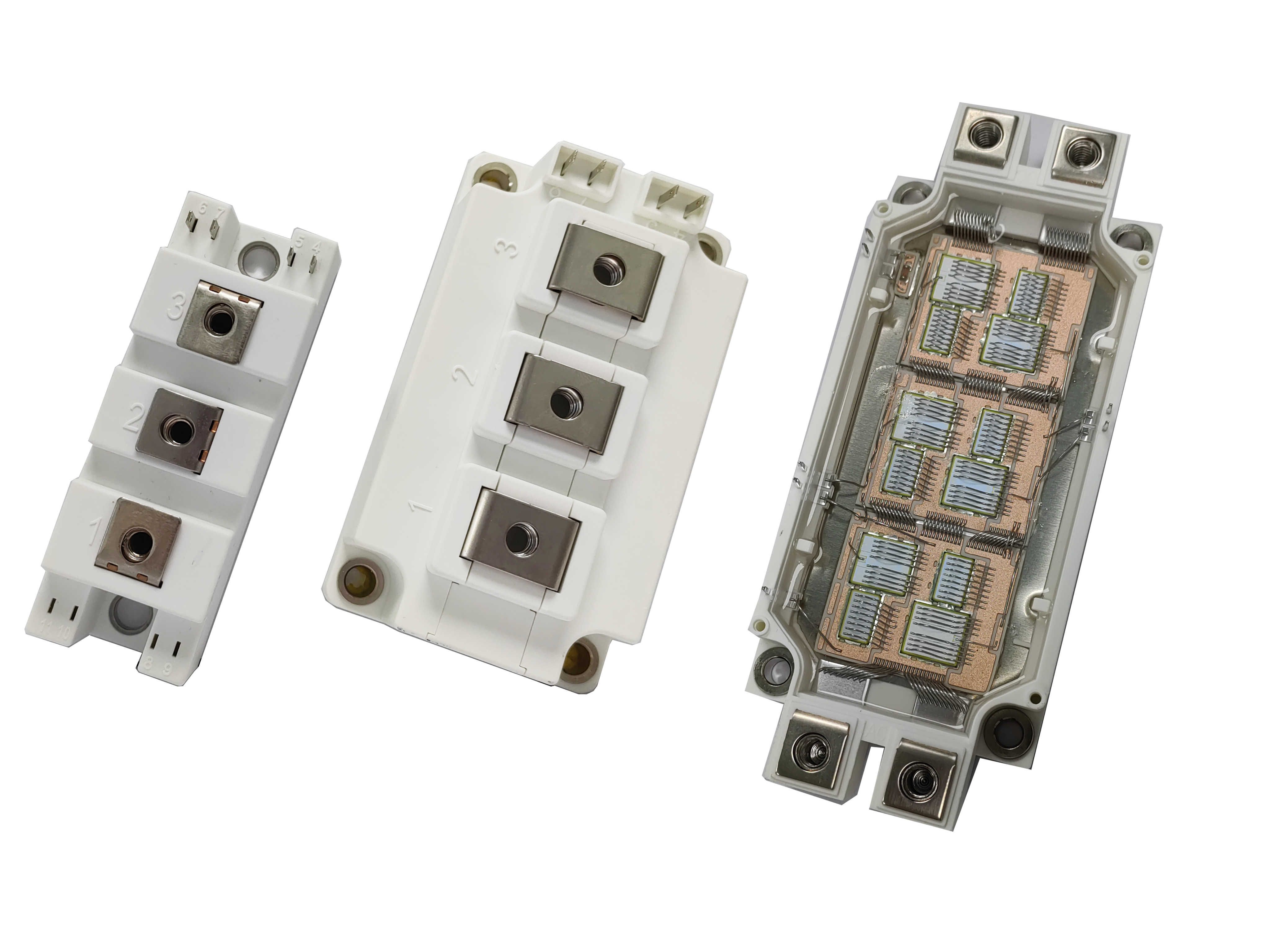
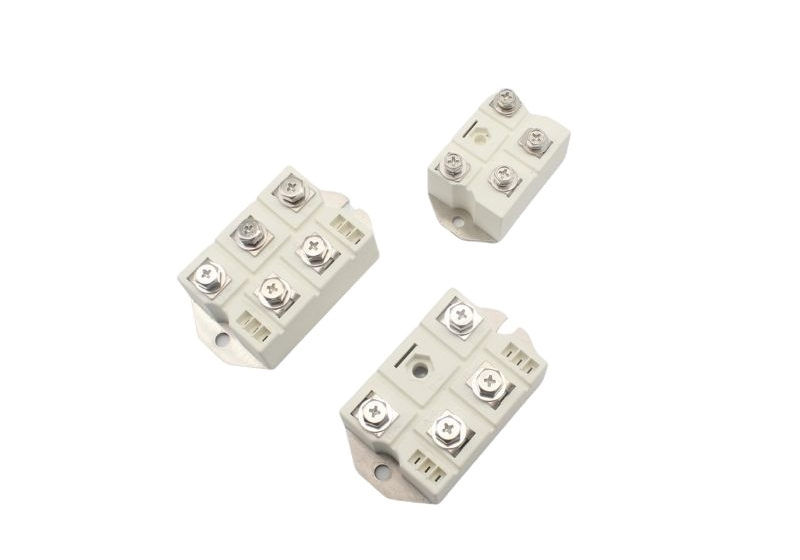
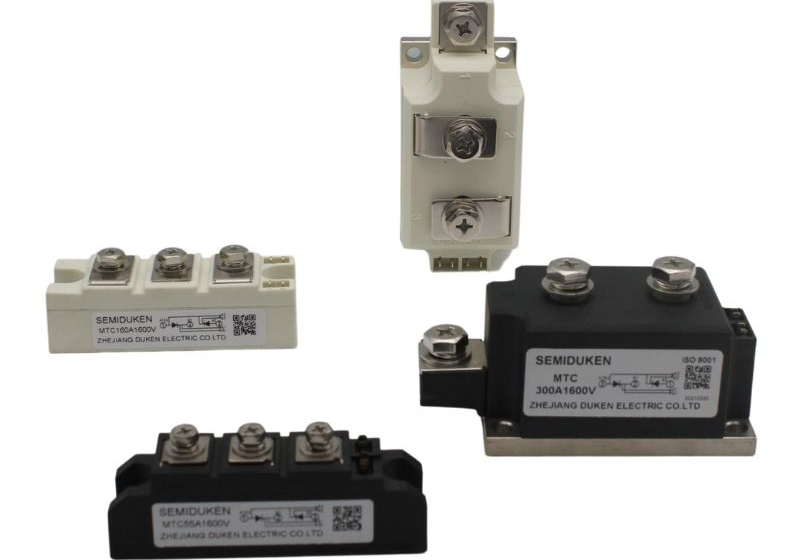
In modern uninterruptible power supply (UPS) systems, precise control over voltage and current handling is essential. The efficiency, lifespan, and safety of the system often depend on selecting the right thyristor module. This article analyzes three widely used components: surge-protection low forward-voltage phase-angle-control 106A thyristor module for UPS systems, A46-version full-module thermal-cycle-resistant 106A thyristor module for UPS systems, and screw-mount certified low Rth(j-c) 106A thyristor module for UPS systems.
1. Steady-State Current Ratings
The surge-protection low forward-voltage phase-angle-control 106A thyristor module for UPS systems features a continuous RMS current rating of 106A, making it ideal for mid-power UPS systems supporting sensitive electronic loads. Its ability to deliver this current without significant heating or efficiency loss is tied to its low forward voltage characteristic—usually below 1.3V.
In systems where transient loads are expected, this module excels by combining surge handling with precise control over phase angles. These characteristics minimize the risk of voltage overshoots or misfires during switching operations, supporting safe operations in high-availability data centers and medical backup systems.
2. Voltage Blocking and Pulse Endurance
The A46-version full-module thermal-cycle-resistant 106A thyristor module for UPS systems stands out for its robust voltage insulation capabilities. With a repetitive peak reverse voltage (Vrrm) of 1,600V, it performs well in noisy grid environments or those using regenerative generators.
This model is also engineered for repetitive surge endurance, capable of absorbing over 2000A short pulses without degradation. Its thermal-cycle resistance ensures the silicon junction and module casing remain stable across thousands of on/off events, making it perfect for high-cycle UPS systems in energy-intensive environments.
The full-module A46 design promotes even heat flow and isolation between power and control pins, enhancing operational integrity.
3. Heat Flow Optimization and Mounting Precision
The screw-mount certified low Rth(j-c) 106A thyristor module for UPS systems offers a key advantage—low thermal resistance from junction to casing. With Rth(j-c) values around 0.2°C/W, it supports sustained operation at full current while minimizing hotspot formation.
Its mounting approach ensures solid heatsink contact, essential in dense UPS racks where air cooling is minimal. The screw mount not only guarantees heat conduction but also prevents dislocation under vibration or shock.
This design supports stable voltage blocking at 1,600V, ensuring safe operation even when loads vary rapidly or systems are installed in mobile power units or infrastructure equipment.
4. Deployment Guidance Based on Technical Profiles
surge-protection low forward-voltage phase-angle-control 106A thyristor module for UPS systems: Best suited for low-distortion, phase-sensitive UPS applications with soft-start features.
A46-version full-module thermal-cycle-resistant 106A thyristor module for UPS systems: Ideal for frequent duty-cycle UPS systems operating in wide temperature ranges.
screw-mount certified low Rth(j-c) 106A thyristor module for UPS systems: Preferred in high-power, thermally demanding installations needing robust heatsink interface.