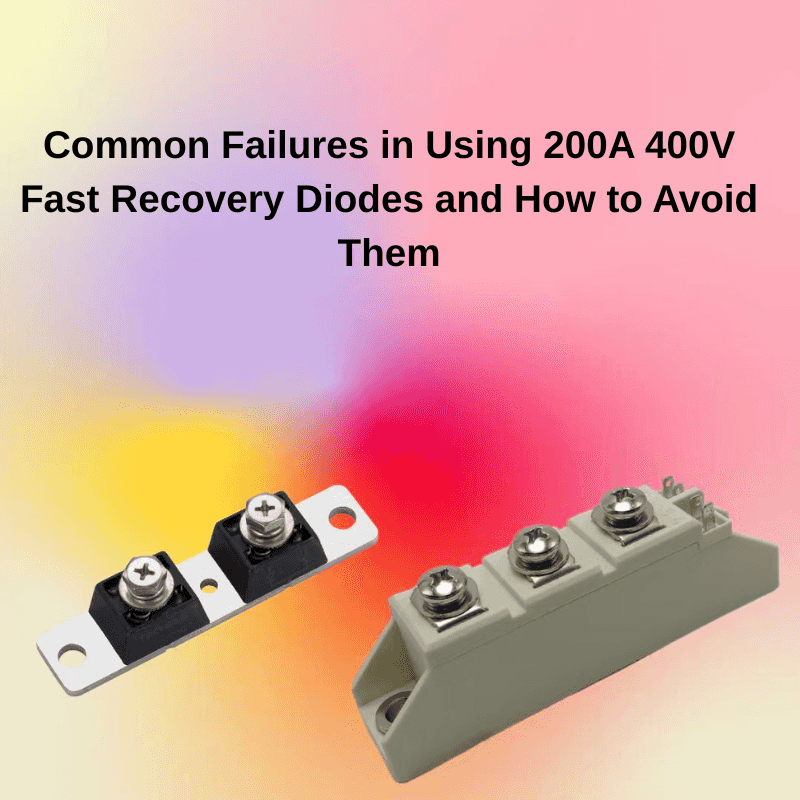
Common Failures in Using 200A 400V Fast Recovery Diodes and How to Avoid Them
In power electronics, 200A 400V fast recovery diodes are essential components for applications like solar inverters, welding inverters, and automotive power modules. These diodes are designed to perform under high-frequency switching conditions, ensuring efficient power conversion and minimizing energy losses. However, like any electronic component, improper use or selection can lead to common failures that compromise the performance and longevity of the system. This article explores some of the most common failures encountered when using 200A 400V fast recovery diodes, particularly in solar inverters, welding inverters, and automotive applications, and provides practical guidance on how to avoid them.
Understanding the Role of 200A 400V Fast Recovery Diodes
200A 400V fast recovery diodes are designed to handle high currents and voltages while recovering quickly during the switching process. They are commonly used in systems like solar inverters and welding inverters, where fast switching is essential for maintaining efficiency. The diodes allow the circuit to handle high-frequency switching without introducing significant power loss or causing voltage spikes that could damage other components.
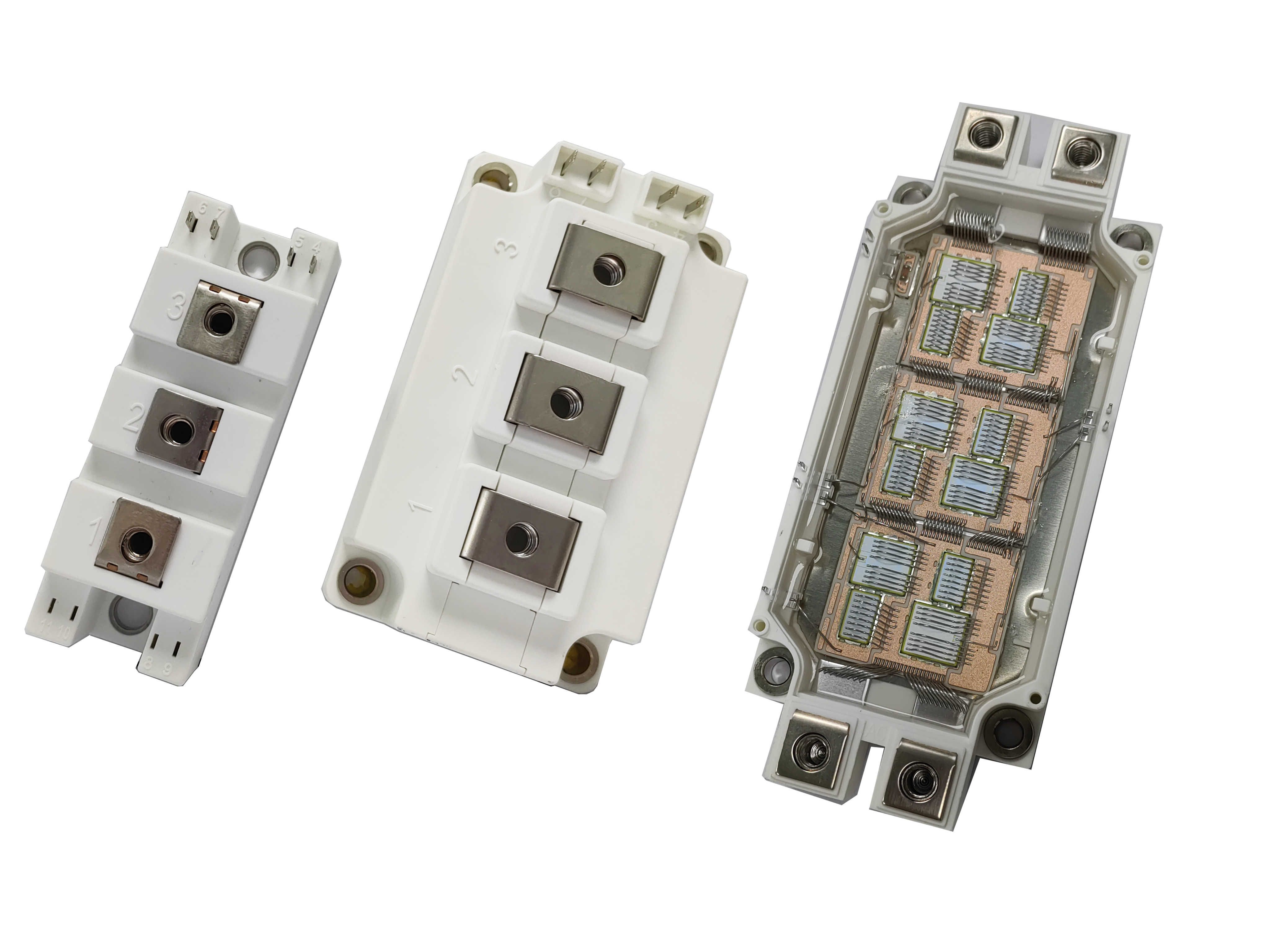
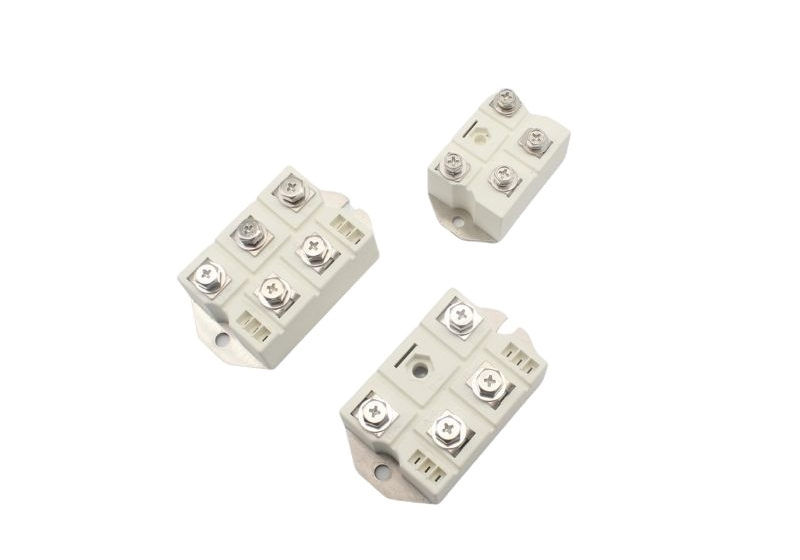
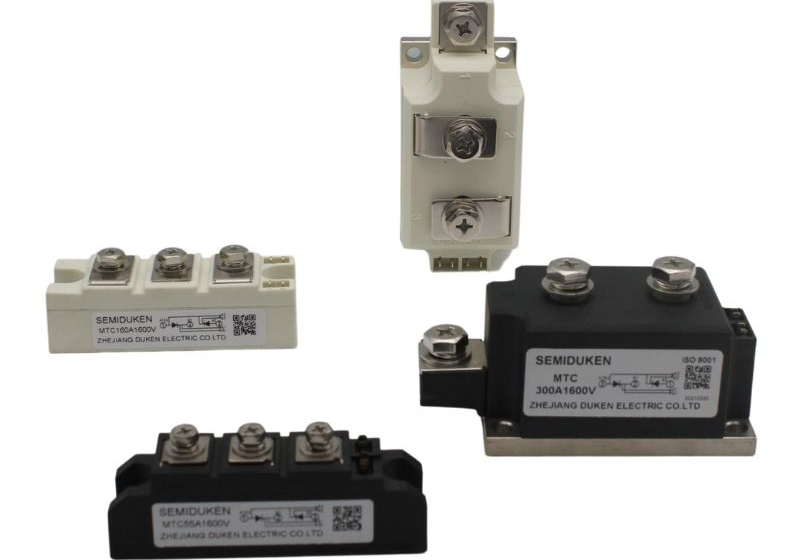
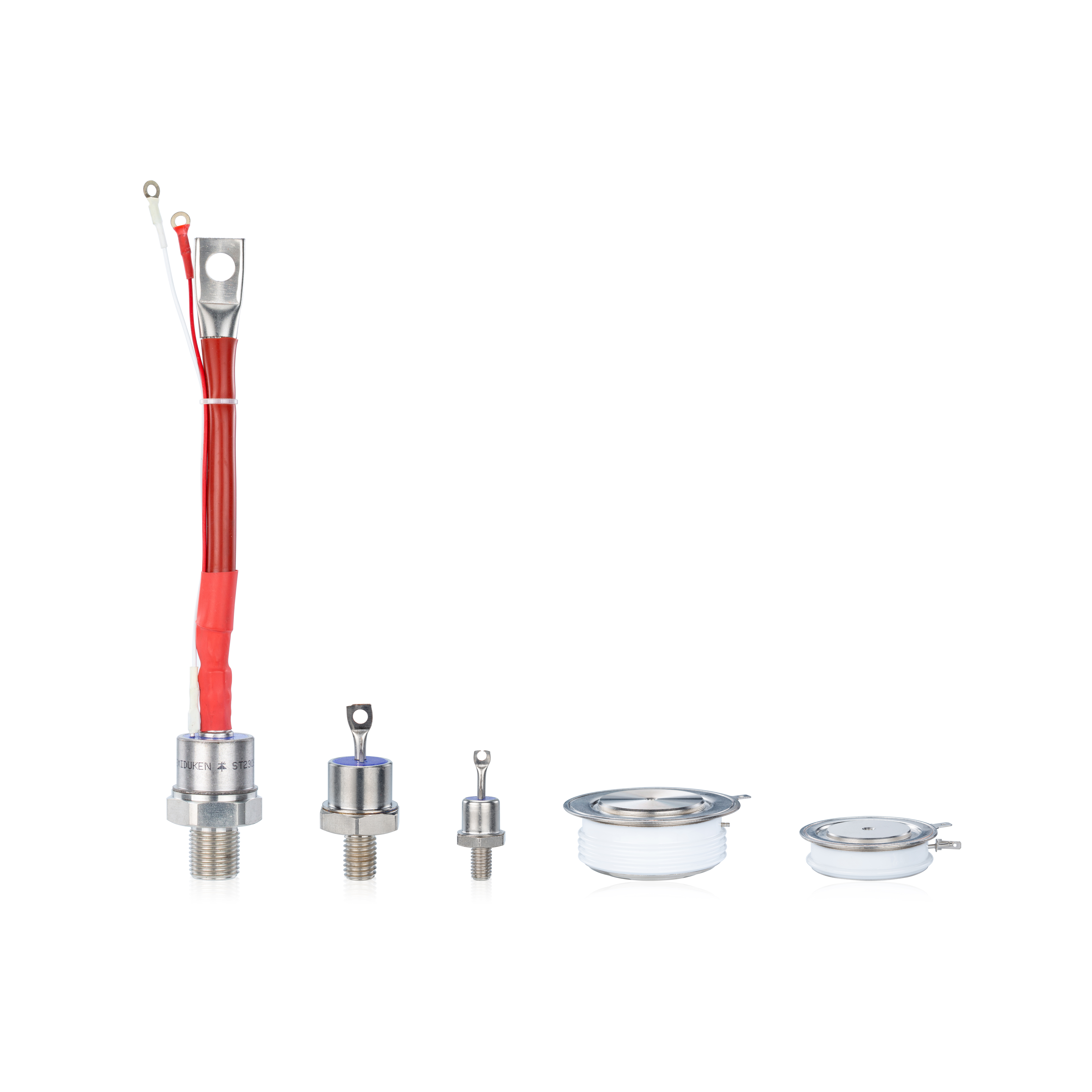
For systems such as solar inverters and welding inverters, the fast recovery nature of these diodes helps in minimizing reverse recovery time, reducing the risk of thermal damage, and improving the overall system efficiency. The diode's package, such as the SOT-227 package or ceramic insulated package, plays a crucial role in thermal management and reliability. However, even with these design features, improper use or selection of the diode can lead to failures that affect the overall system performance.
Common Failures in Using 200A 400V Fast Recovery Diodes
1. Thermal Overload and Thermal Runaway
One of the most common failures in high-power applications, such as solar inverters and welding inverters, is thermal overload. Diodes are prone to heating during operation, especially when subjected to continuous high currents. Without adequate thermal management, excessive heat buildup can lead to thermal runaway, where the diode’s temperature rises uncontrollably, eventually causing it to fail.
To avoid this, it is crucial to ensure proper heat sinking and cooling mechanisms. For example, the SOT-227 package and ceramic insulated packages offer good thermal conductivity, which helps dissipate heat more effectively. If the thermal dissipation is not adequate, even a low forward drop 200A 400V fast recovery diode can overheat, leading to failure.
2. Overvoltage and Reverse Breakdown
200A 400V fast recovery diodes are designed to operate at specific voltage ratings, typically around 400V in high-power systems. However, if the voltage applied exceeds the rated value, the diode may undergo reverse breakdown, causing irreversible damage. Overvoltage conditions can occur in solar inverters due to transient voltage spikes caused by lightning or switching operations.
To avoid reverse breakdown, ensure that the system voltage does not exceed the rated value of the diode. In critical applications, such as solar inverters, it is essential to use voltage protection devices, such as transient voltage suppressors or surge protectors, to prevent spikes from reaching the diode.
3. Incorrect Package Selection and Mechanical Stress
The package type of a 200A 400V fast recovery diode is designed to provide adequate thermal management and mechanical stability. However, selecting the wrong package type or improperly mounting the diode can lead to mechanical stress, which can cause cracks or fractures in the diode material. This can lead to reduced performance or catastrophic failure, especially in high-power systems.
SOT-227 packages and ceramic insulated packages are specifically designed to handle mechanical stress and provide good heat dissipation. However, improper handling during installation or excessive vibration during operation can cause damage. Using the appropriate mounting techniques and ensuring that the package is correctly seated can help prevent mechanical failure.
4. Inadequate Surge Current Handling
Another common issue in solar inverters and automotive applications is inadequate surge current handling. During transient conditions, such as when switching or during fault conditions, high surge currents can flow through the system. If the 200A 400V fast recovery diode is not rated for these surge currents, it may fail, causing damage to the entire circuit.
In such cases, it is essential to choose a diode that can handle high surge currents. For example, a heavy-duty low forward drop 200A 400V fast recovery diode can better withstand surge currents without degrading its performance. Ensuring that the diode's surge current rating matches the expected conditions is critical to prevent failure during transient events.
Best Practices to Avoid Failures
1. Choose the Right Package for Your Application
The selection of the right package is crucial for the longevity and performance of 200A 400V fast recovery diodes. In applications like solar inverters and welding inverters, where high thermal loads are common, using packages like SOT-227 or ceramic insulated packages can provide better heat management and reduce the risk of thermal damage.
2. Ensure Proper Cooling and Thermal Management
Implementing effective cooling solutions, such as water-cooled heatsink assemblies or thermal vias, can prevent overheating and ensure that the diode operates within safe temperature limits. In solar inverters, using high-efficiency cooling systems is crucial for maintaining the diode's performance under high-load conditions.
3. Use Surge Protection Devices
To protect the 200A 400V fast recovery diodes from voltage spikes, use surge protection devices such as surge suppressors or TVS diodes. These devices help protect the system from transient voltage conditions that could damage the diode.
4. Select Diodes with Higher Surge Current Capability
When designing systems like solar inverters or automotive power modules, ensure that the 200A 400V fast recovery diode selected is capable of handling high surge currents. This will help prevent failures during power fluctuations or transient conditions.
Conclusion
200A 400V fast recovery diodes are critical components in high-power applications, but they are susceptible to several common failures, including thermal overload, overvoltage, mechanical stress, and inadequate surge current handling. By carefully selecting the right diode package, implementing effective thermal management strategies, and ensuring proper surge protection, engineers can significantly reduce the risk of diode failure and optimize system reliability and performance.