Advanced Guide to Installing and Maintaining Thyristor Modules for Industrial Heating Systems
Thyristor modules play a crucial role in modern industrial heating systems, offering precise control over power distribution and ensuring that heating elements perform efficiently. These modules are commonly used in systems such as temperature control, UPS systems, and servo drives, which require careful management of high surge currents and low on-state voltages. The ability of thyristor modules to regulate these parameters makes them a vital part of the industrial heating landscape. Proper installation and maintenance are essential to ensure that these modules continue to operate efficiently, providing stable performance for years to come.
Key Benefits of Thyristor Modules in Industrial Heating
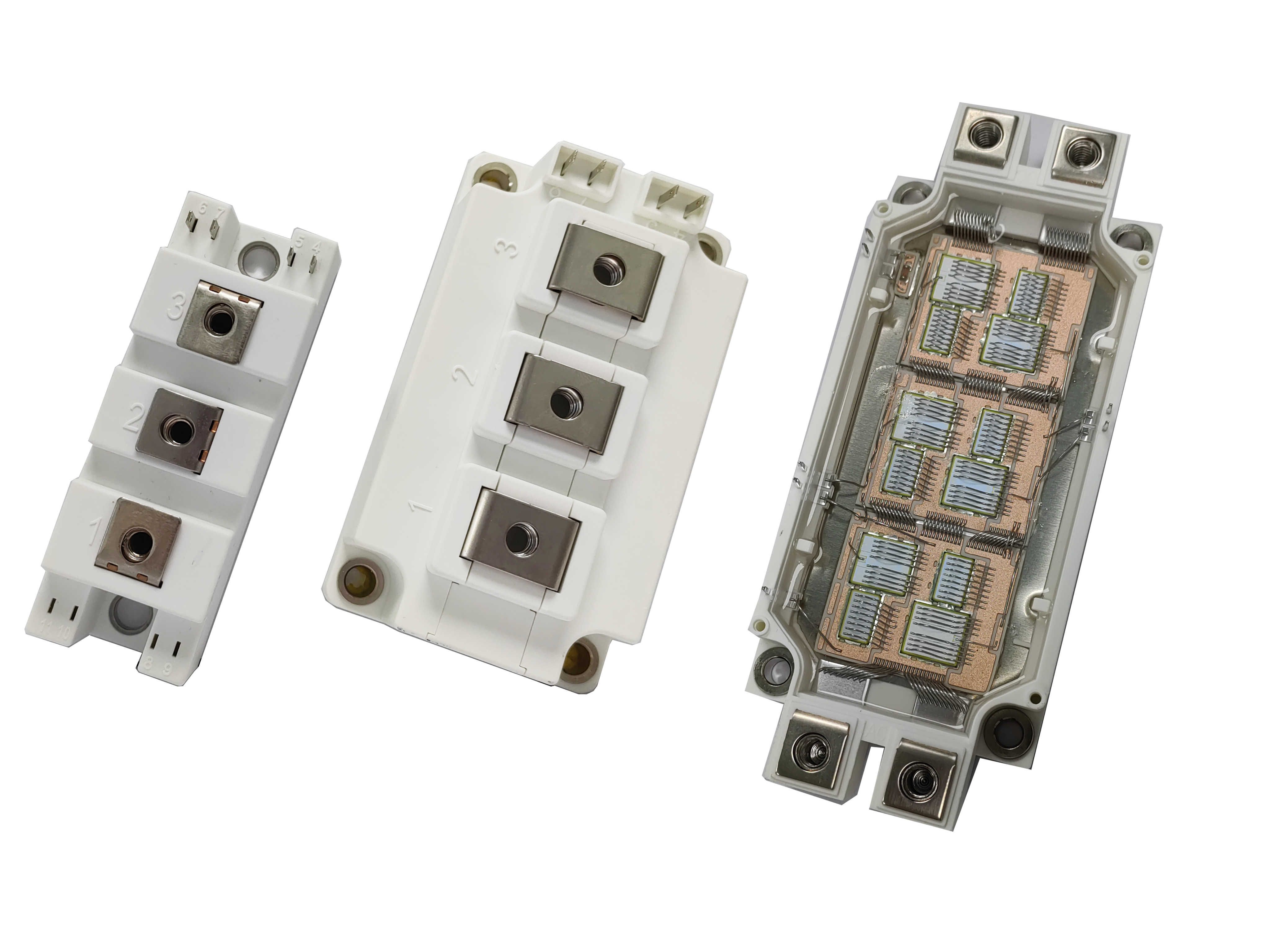
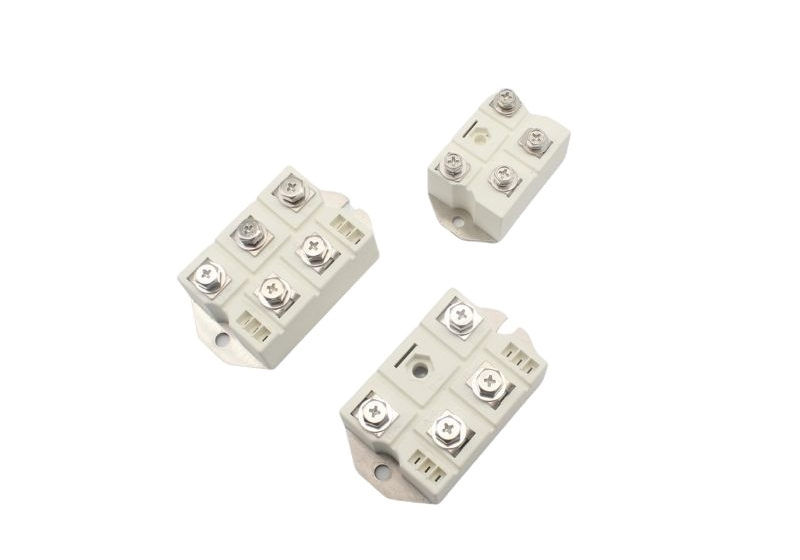
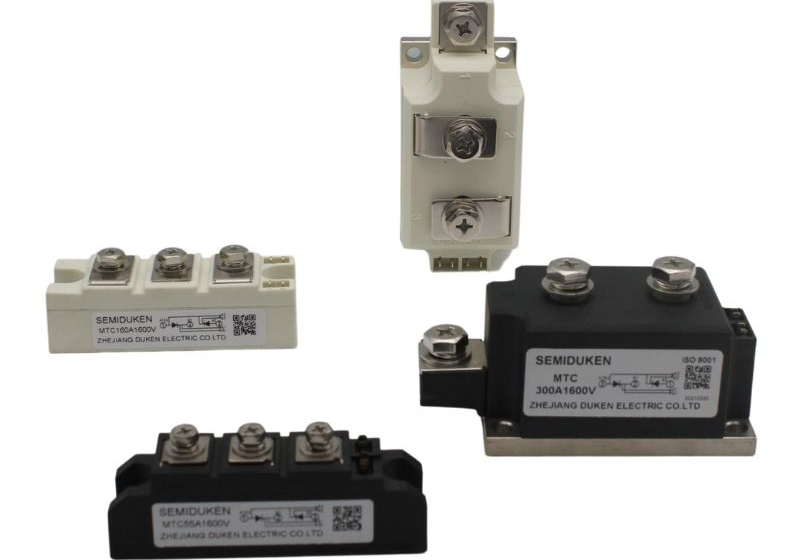
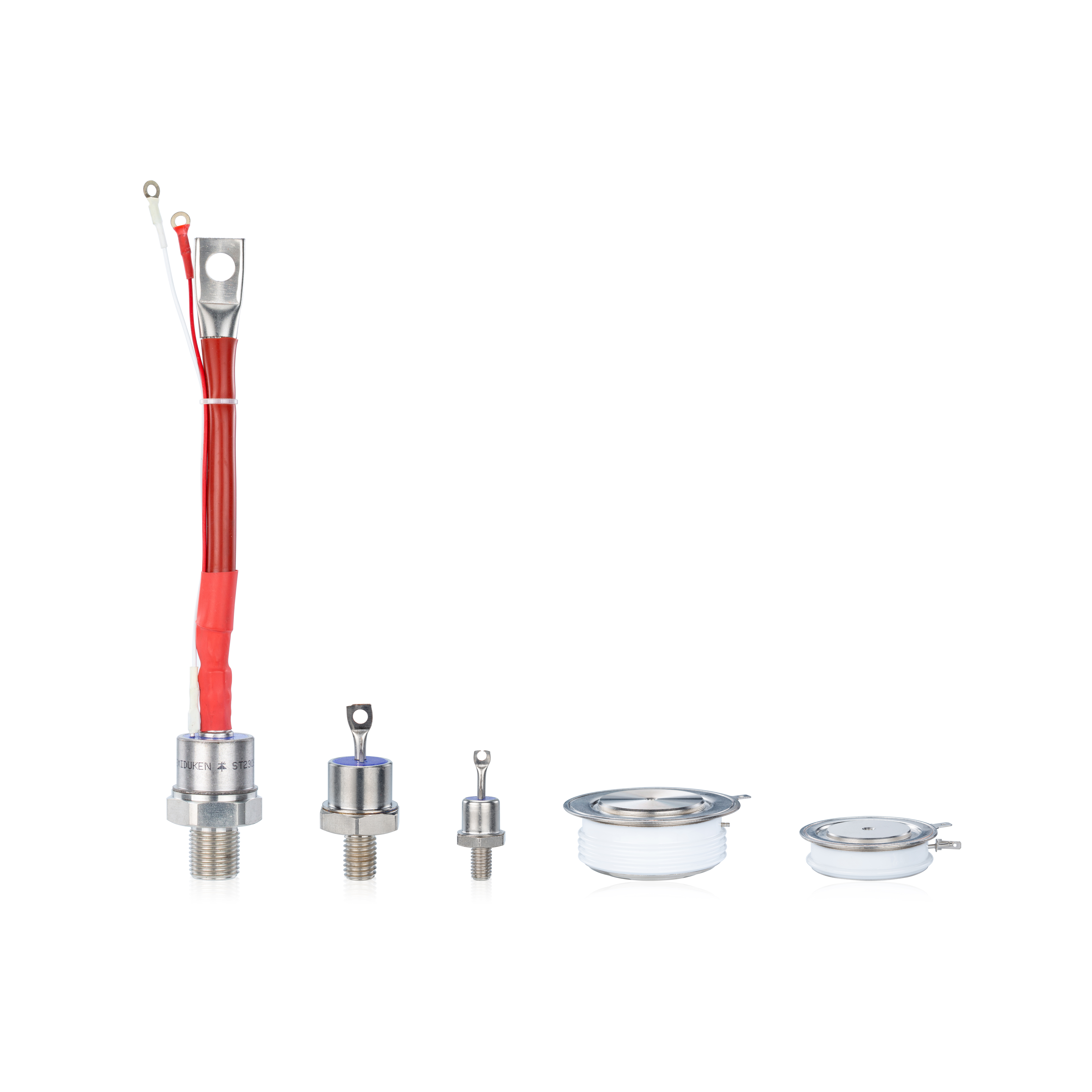
Thyristor modules are semiconductor devices designed to control the flow of electrical power in industrial systems. These modules are used to regulate the heating elements in applications like industrial phase control, where precise temperature regulation is critical. The modules' ability to manage high surge currents and deliver low on-state voltage allows them to operate efficiently, even in the most demanding environments.
One of the primary reasons for using thyristor modules in industrial heating systems is their ability to handle high surge currents. In systems that require rapid power changes, such as servo drives and UPS systems, thyristor modules can quickly respond to fluctuations, ensuring the system operates smoothly. Additionally, the low on-state voltage of these modules minimizes power loss, making them more energy-efficient compared to traditional control devices.
Step-by-Step Installation Process for Thyristor Modules
Installing a thyristor module in an industrial heating system requires careful attention to detail and a structured approach. By following the steps outlined below, you can ensure that the module is installed correctly and will function at its highest capacity.
Step 1: Verify System Compatibility
Before beginning the installation process, ensure that the thyristor module is compatible with the heating system. The module should be rated to handle the surge currents required by the system, typically up to 1600V. Additionally, check the system's voltage and current specifications to ensure they match the module's capabilities.
Step 2: Prepare the Wiring and Connections
Wiring is one of the most critical aspects of installing a thyristor module. Use high-quality wires that are capable of handling high surge currents. The wiring should be properly insulated to prevent any electrical shorts. Additionally, ensure that all connections to the heating elements and temperature control system are securely made to prevent voltage drops or power loss.
Step 3: Mounting the Thyristor Module
The thyristor module must be mounted in a location that allows for proper cooling. The module should be attached to a heat sink or a similar cooling device to prevent overheating. Ensure that the heat sink is large enough to dissipate the heat generated by the module during operation. Adequate airflow should also be maintained around the module to ensure efficient cooling.
Step 4: Conduct Initial System Tests
Once the thyristor module is installed, perform an initial system test to ensure that everything is functioning correctly. Check that all wiring connections are secure, and verify that the temperature control system is accurately regulating the heating elements. Monitor the module during operation to ensure that it is handling the surge current and maintaining the desired temperature.
Ongoing Maintenance for Thyristor Modules
Proper maintenance is essential to ensure that thyristor modules continue to operate efficiently over time. Regular checks can help prevent performance issues and prolong the life of the module. Here are some essential maintenance steps:
Step 1: Regular Inspections
Periodically inspect the thyristor module for any visible signs of damage or wear. Look for discoloration or signs of overheating, which could indicate a malfunction. Check the module for any physical damage that could affect its performance, such as cracked components or loose connections.
Step 2: Cleaning the Module and Heat Sink
Dust and debris can accumulate on the thyristor module and its heat sink, reducing the module's ability to dissipate heat. Regular cleaning is necessary to maintain optimal cooling performance. Use a soft brush or compressed air to remove any dust buildup, particularly around the heat sink and the module’s cooling fins.
Step 3: Check Electrical Connections
Over time, electrical connections may loosen, leading to poor performance or complete failure of the system. Regularly check all connections to ensure they are tight and free from corrosion. Tighten any loose connections and replace any damaged wiring as needed.
Step 4: Monitor System Performance
Performance monitoring is crucial for detecting any early signs of wear or malfunction in the thyristor module. Regularly test the system's ability to handle high surge currents and maintain low on-state voltage. Use testing equipment to verify that the thyristor module is operating within its specified parameters. Any discrepancies should be addressed immediately to prevent further damage.
Step 5: Replace Worn Components
Thyristor modules are designed to last for many years, but certain components, such as heat sinks or wiring, may wear out over time. Regularly inspect these components and replace them as necessary to maintain the system’s efficiency. A proactive approach to component replacement can prevent more significant issues down the road.
Conclusion
Thyristor modules are critical components in industrial heating systems, offering efficient power regulation and temperature control. To ensure that thyristor modules continue to provide reliable service, it is essential to follow proper installation procedures and conduct regular maintenance checks. By carefully installing and maintaining thyristor modules, you can ensure that your industrial heating system operates efficiently and reliably, even in the most demanding environments.