Addressing False Triggering and Overheating in High-Current UPS Thyristor Modules
Uninterruptible Power Supply (UPS) systems are essential in maintaining critical power operations, especially in data centers, healthcare, and industrial automation. Within these systems, thyristor modules play a pivotal role in power control and switching. However, challenges such as false turn-on events and thermal overloads frequently plague 106A thyristor modules. This article explores comprehensive strategies to detect, analyze, and mitigate these failures.
1. Recognizing the Symptoms of Faulty Thyristor Behavior
The early signs of malfunction often include:
Intermittent power loss despite healthy input voltage,
Audible clicking or inconsistent load regulation,
Thermal warning indicators on the UPS interface.
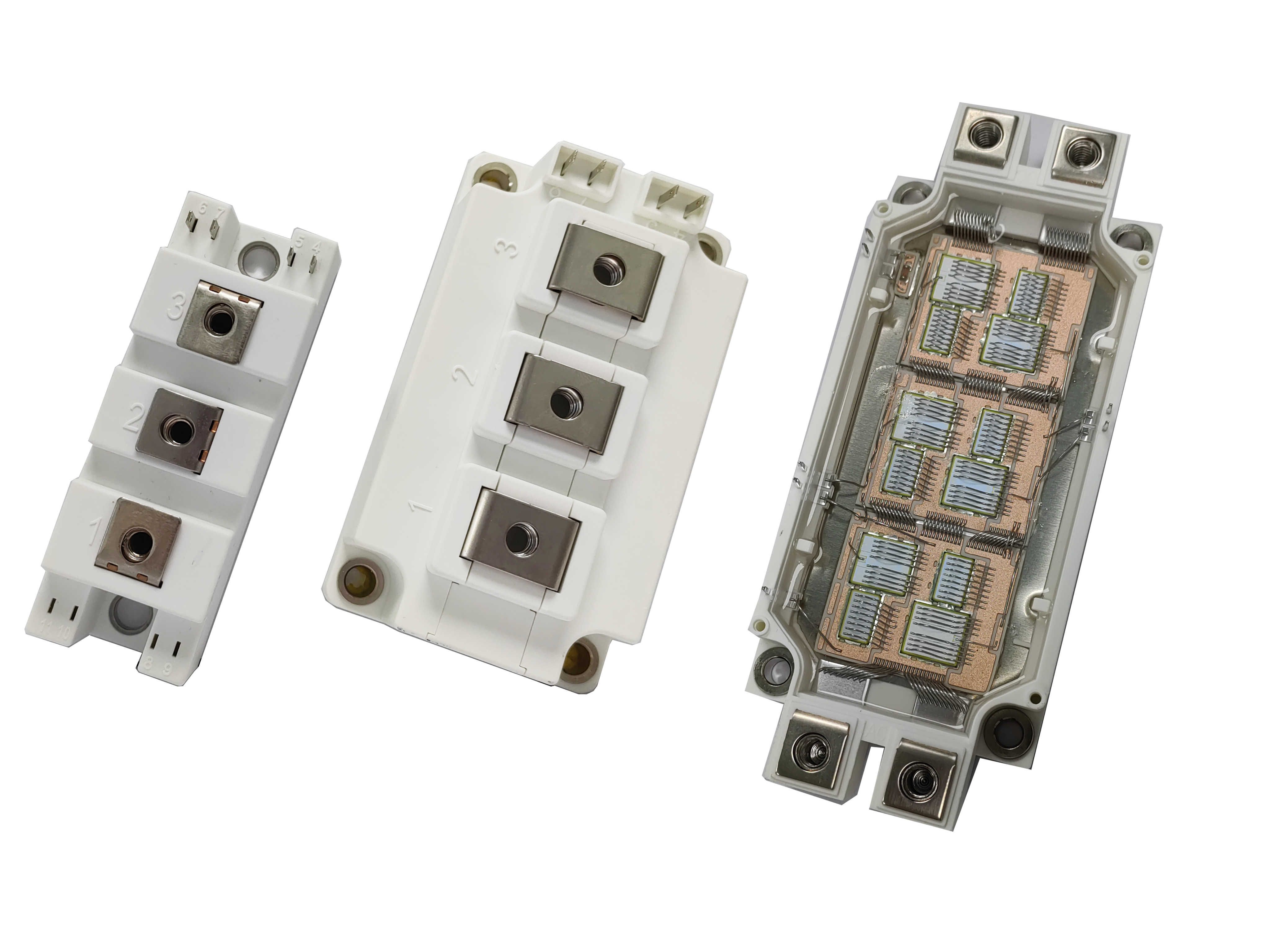
Such issues frequently stem from component failures within thyristor modules, especially under high current stress or suboptimal cooling environments. The 7-pin compact forced-air-cooling 106A thyristor module for UPS systems is specifically designed to mitigate overheating risks through its integrated airflow system.
2. False Turn-on: Root Causes and Solutions
False triggering occurs when the thyristor conducts without a deliberate gate signal. This often leads to unpredictable system behavior and potential hardware damage.
Common causes:
Gate signal noise or crosstalk from neighboring traces,
High dv/dt environments causing the SCR to latch unintentionally,
Insufficient gate hold-off circuits in design.
Prevention strategies:
Add RC snubber circuits across the anode-cathode junction,
Use opto-isolated triggering mechanisms,
Implement shielded signal cables for gate drive lines.
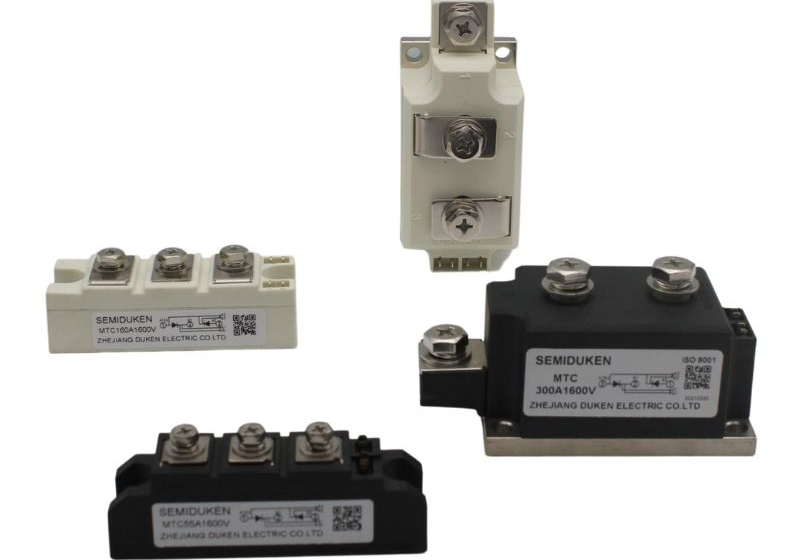
Advanced modules like the RoHS-compliant dual-SCR high-reliability 106A thyristor module for UPS systems offer internal gate suppression networks, reducing susceptibility to noise-induced false triggering.
3. Dealing with Overheating Under Load
Thermal management is critical in maintaining thyristor longevity. Overheating can not only degrade the module but also affect surrounding UPS circuitry.
Contributing factors:
Poor thermal interface between module and heatsink,
Fan failure or restricted airflow in compact UPS enclosures,
Operating beyond rated current cycles.
Actionable steps:
Ensure tight panel-mounting with thermal paste for heat conduction,
Clean fan blades and filters regularly,
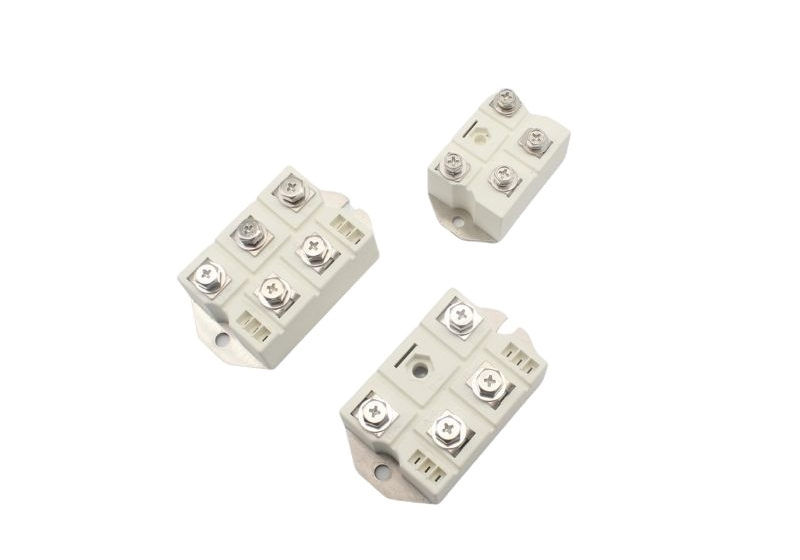
Use modules like the panel-mount 2.5kV isolation RoHS-compliant 106A thyristor module for UPS systems, which are designed for high isolation and effective heat dissipation.
4. Strengthening Your UPS Design with Optimized Modules
Designers and technicians should prioritize module selection and layout when configuring UPS systems. A few best practices include:
Centralize thermal exhaust paths near the 7-pin compact forced-air-cooling 106A thyristor module for UPS systems,
Validate gate signal consistency during all load scenarios,
Rely on dual-SCR configurations from the RoHS-compliant dual-SCR high-reliability 106A thyristor module for UPS systems for fail-safe operation.
Additionally, choosing panel-mount 2.5kV isolation RoHS-compliant 106A thyristor module for UPS systems enhances safety margins when working in environments with frequent voltage transients.
5. Long-Term Monitoring and Testing Protocols
To ensure continued performance and fault resistance:
Schedule thermal imaging checks monthly to identify hot spots,
Log gate drive signal voltages weekly under different load states,
Replace thyristor modules every three to five years as preventive maintenance, especially in mission-critical UPS installations.
These guidelines, combined with the use of reliable modules such as the RoHS-compliant dual-SCR high-reliability 106A thyristor module for UPS systems, create a robust foundation for continuous UPS performance.