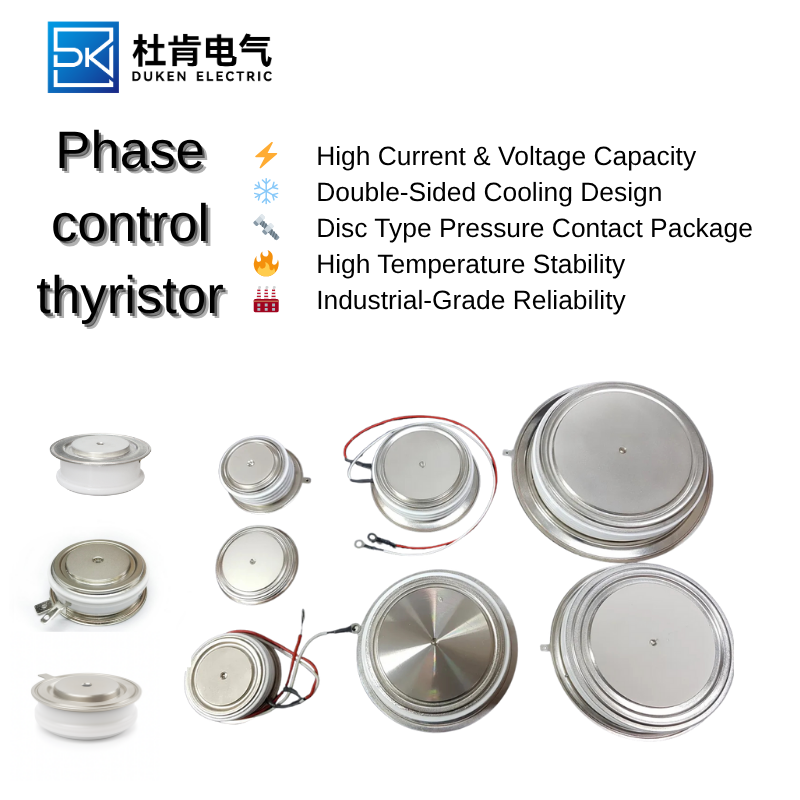
Step-by-Step Guide to Installing 2000A Phase Control Thyristors for Mining and Heating Systems
Introduction
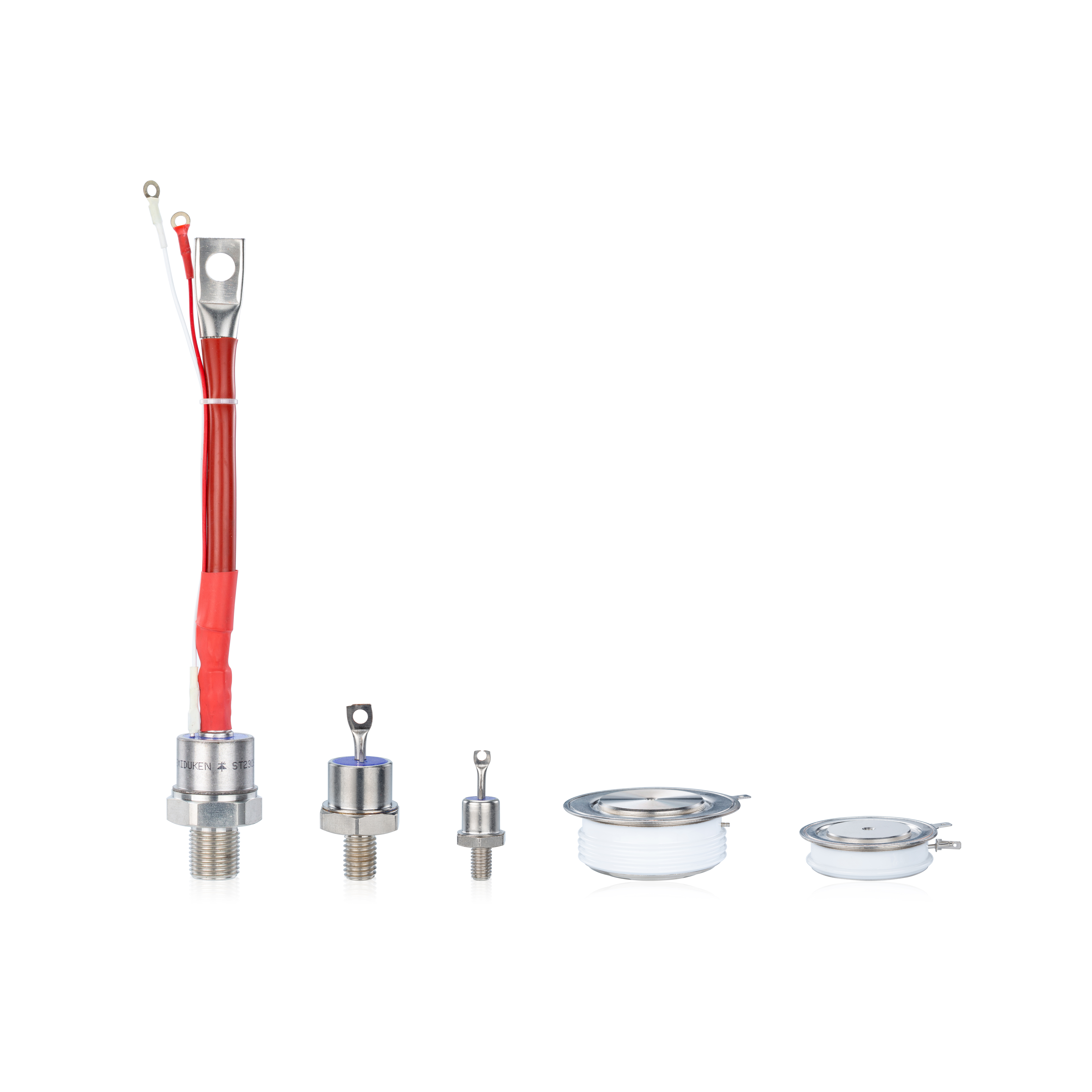
The 2000A phase control thyristor is essential in modern mining equipment, AC power regulators, and large-scale heating systems, thanks to its capacity for extremely high current and voltage ratings (such as 6500 V VRRM). Proper installation is key to leveraging its full performance—ensuring power stability, system safety, and longevity in demanding industrial settings. This article presents a detailed, step-by-step installation guide focused on real-world use in mining, heating, and power regulation applications.
Planning the Installation: System Analysis and Preparation
Before handling the 2000A phase control thyristor, review your system’s technical requirements and environmental conditions:
Assess Power Demands: Calculate maximum and continuous current requirements for mining equipment power control or large-scale heating elements, verifying that 2000A and 6500 V VRRM ratings are not exceeded.
Cooling Arrangements: Ensure you have a forced-cooling heat sink ready, as high currents produce substantial heat—especially in mining or 24/7 heating operations.
Compliance and Datasheet Reference: Always review the device’s datasheet (such as KP300A‑6500V) for mechanical, electrical, and thermal installation details.
Physical Installation and Mechanical Mounting
1. Workspace Safety
Power down and lock out all sources before beginning installation.
Use appropriate PPE: insulated gloves, safety glasses, anti-static clothing.
Prepare an ESD-safe, organized workspace.
2. Mounting the Device
Location: Place the thyristor near high-current busbars or load terminals to reduce cable losses and maintain voltage stability.
Thermal Interface: Apply thermal grease or pad as recommended, ensuring a seamless contact with the forced-cooling heat sink.
Fixing: Secure the device using the mounting torque and hardware specified in the datasheet. Avoid overtightening, which could damage the thyristor wafer or heat sink interface.
3. Electrical Connections and Gate Trigger Setup
Power Cabling: Use busbars or cabling rated for 2000A, appropriate for mining or heavy-industry circuits.
Gate and Cathode Wiring: Route gate and auxiliary connections per the thyristor’s datasheet, using short, shielded cables to prevent noise and interference.
High-Voltage Insulation: Use insulation tubing, barriers, and spacers to protect against breakdown at voltages up to 6500 V VRRM.
System Startup and Testing
1. Gradual Power-Up
Bring the system online slowly, monitoring voltage and current at each stage to detect faults early.
Use thermal sensors to check heat sink temperature, ensuring the forced-cooling system is effective.
2. Functional and Safety Testing
Verify correct triggering and switching of the thyristor using diagnostic equipment.
Simulate normal and peak operating conditions for mining loads or heating elements to ensure stable, reliable operation.
Maintenance for Longevity and Reliability
Regular Inspections: Check for loose connections, damaged thermal interfaces, or contaminants.
System Performance Logging: Keep a log of system parameters such as temperature, voltage, and current to detect performance degradation.
High Voltage Testing: Perform insulation resistance tests and other high-voltage checks as part of the routine maintenance cycle.
Conclusion
Installing a 2000A phase control thyristor in mining, heating, or AC power regulation systems requires careful preparation, adherence to datasheet guidance, and ongoing maintenance. By following this guide, engineers can ensure robust, safe, and efficient operation even in the harshest industrial environments—delivering reliable power control and protecting critical assets.