Optimizing Thermal Performance of 200A 400V Fast Recovery Diodes: Water Cooling vs Air Cooling
Two primary cooling methods are commonly used in power electronics: air cooling and water cooling. Each approach offers unique advantages depending on system design, thermal load, and operational environment. Understanding how these cooling methods interact with diode structures helps engineers optimize system performance.
Heat Generation in High-Current Fast Recovery Diodes
Fast recovery diodes are designed to reduce reverse recovery time, which is essential for efficient switching in high-frequency power electronics. However, the high current levels and switching activity generate significant heat within the semiconductor junction.
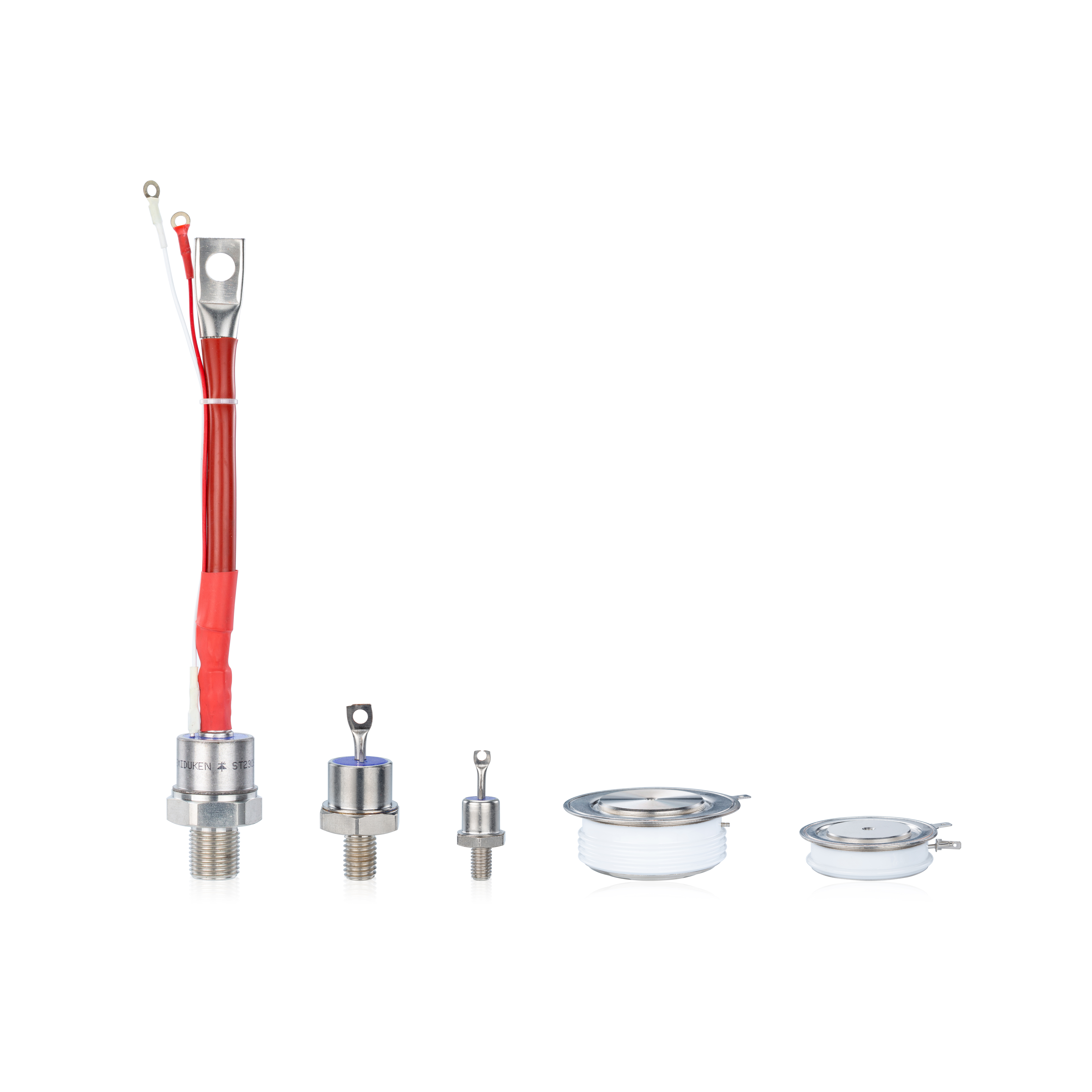
In demanding automotive power circuits, the 3/4″-16UNF stud type automotive application high reliability 200A 400V fast recovery diode is widely used due to its durable mechanical structure and strong thermal conduction characteristics. The stud-type mounting design allows efficient heat transfer from the semiconductor junction to the external heat sink.
When installed in high-vibration environments such as vehicle power modules, the 3/4″-16UNF stud type automotive application high reliability 200A 400V fast recovery diode provides both mechanical stability and effective thermal conduction. Engineers often rely on the 3/4″-16UNF stud type automotive application high reliability 200A 400V fast recovery diode to maintain consistent electrical performance in automotive and heavy-duty power systems.
Air-Cooled Systems in Industrial Electronics
Air cooling remains the most widely used thermal management approach in industrial electronics because it is simple, reliable, and cost-effective. In air-cooled systems, heat sinks transfer heat away from the diode while airflow removes heat from the surrounding environment.
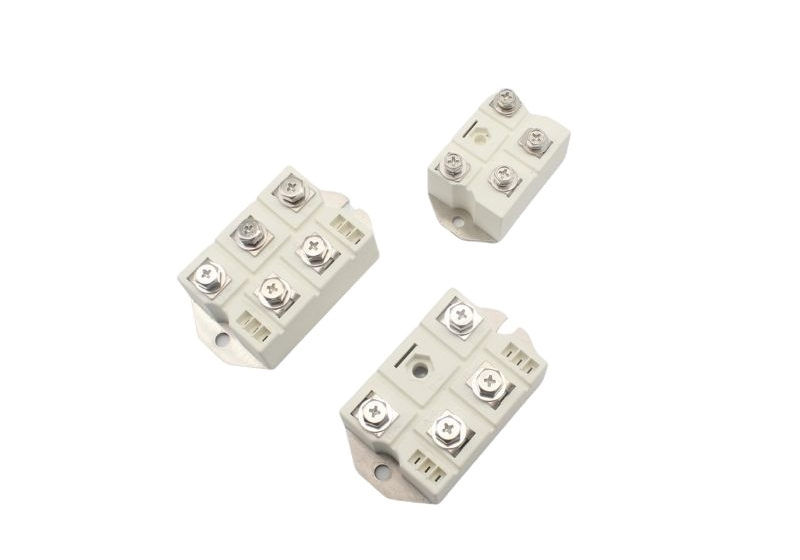
For example, welding equipment commonly uses the common anode low conduction loss used in welding machine 200A 400V fast recovery diode to achieve efficient rectification and power conversion. When combined with properly designed aluminum heat sinks, the common anode low conduction loss used in welding machine 200A 400V fast recovery diode can maintain stable operating temperatures.
The common anode low conduction loss used in welding machine 200A 400V fast recovery diode is particularly well suited to air-cooled systems because its low conduction loss reduces the total heat generated during operation. Engineers frequently integrate the common anode low conduction loss used in welding machine 200A 400V fast recovery diode into industrial welding equipment where airflow and heat sinks provide sufficient thermal control.
Air cooling systems also have the advantage of lower maintenance requirements since they do not require pumps or liquid circulation systems.
Water-Cooled Solutions for High-Power Applications
As power density increases, air cooling may no longer provide sufficient heat dissipation. In such cases, water cooling offers a more effective thermal management solution. Liquid cooling systems use circulating coolant to absorb heat from the device and transport it away through a closed-loop cooling system.
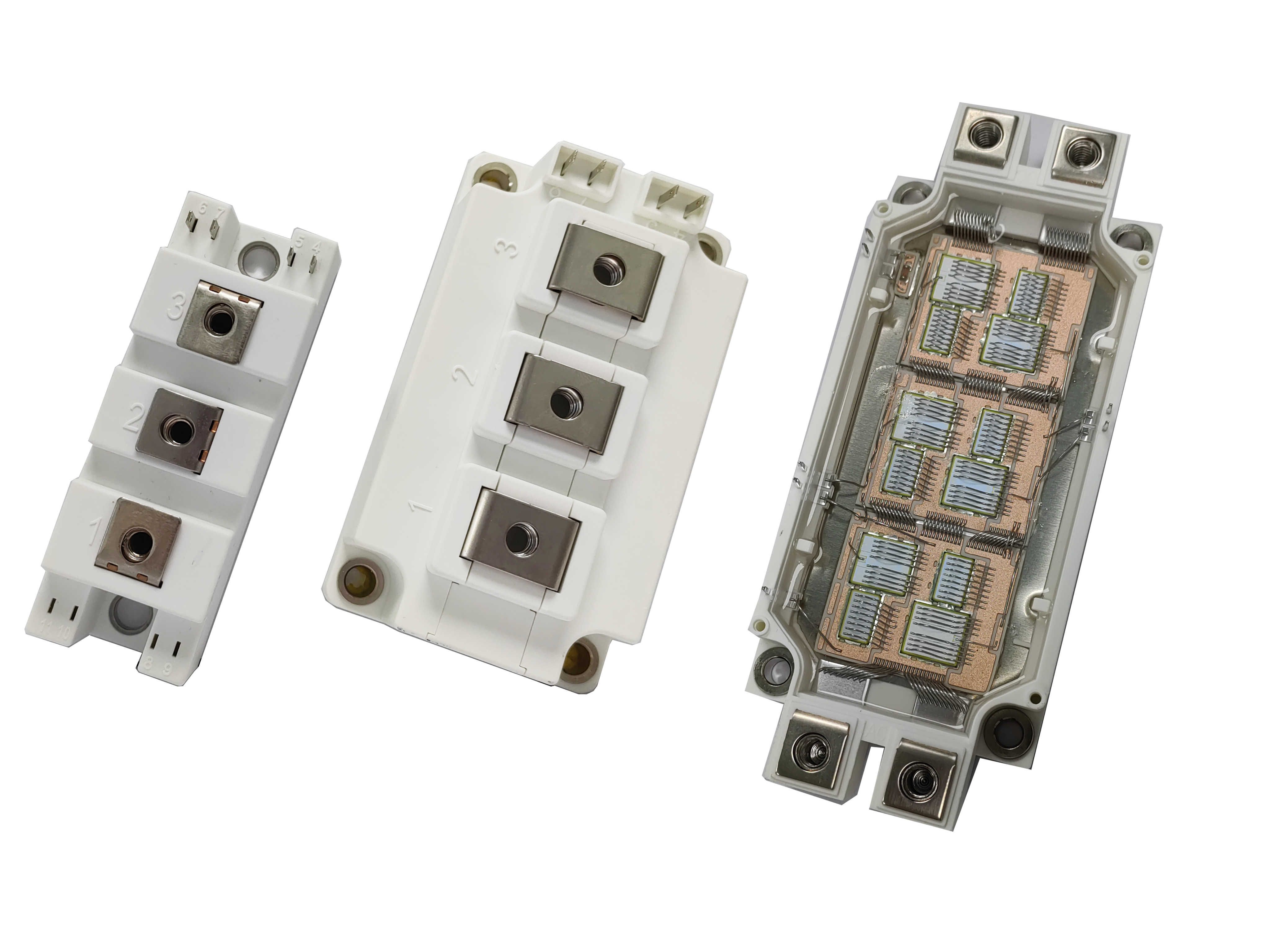
Inverter drive systems are one example where water cooling can significantly improve performance. Engineers frequently select the dual diode for inverter drives high reliability 200A 400V fast recovery diode for these applications because of its ability to support high current and rapid switching cycles.
When paired with liquid-cooled heat sinks, the dual diode for inverter drives high reliability 200A 400V fast recovery diode can maintain stable junction temperatures even during continuous operation. This is especially important in motor drive systems that operate under heavy load for extended periods.
The dual diode for inverter drives high reliability 200A 400V fast recovery diode combined with water cooling allows engineers to design compact, high-power systems without exceeding safe thermal limits.
Selecting the Right Cooling Strategy
The decision between water cooling and air cooling depends on several key design factors:
1. Power density and current requirements
2. Ambient operating temperature
3. System size and installation constraints
4. Maintenance and operational costs
5. Required reliability and service life
Air cooling remains ideal for moderate power levels where simplicity and low cost are priorities. Water cooling, however, becomes essential in high-power industrial applications that require superior heat dissipation.
Conclusion
Effective thermal management ensures that fast recovery diodes operate within safe temperature limits and deliver long-term reliability. Both air-cooled and water-cooled systems offer advantages depending on the application requirements.
Power devices such as the 3/4″-16UNF stud type automotive application high reliability 200A 400V fast recovery diode, the common anode low conduction loss used in welding machine 200A 400V fast recovery diode, and the dual diode for inverter drives high reliability 200A 400V fast recovery diode demonstrate optimal performance when paired with the appropriate cooling solution. By carefully selecting the right thermal strategy, engineers can enhance efficiency, reliability, and system lifespan in modern power electronics.