Meeting Compliance Requirements with 106A Thyristor Modules in UPS Design
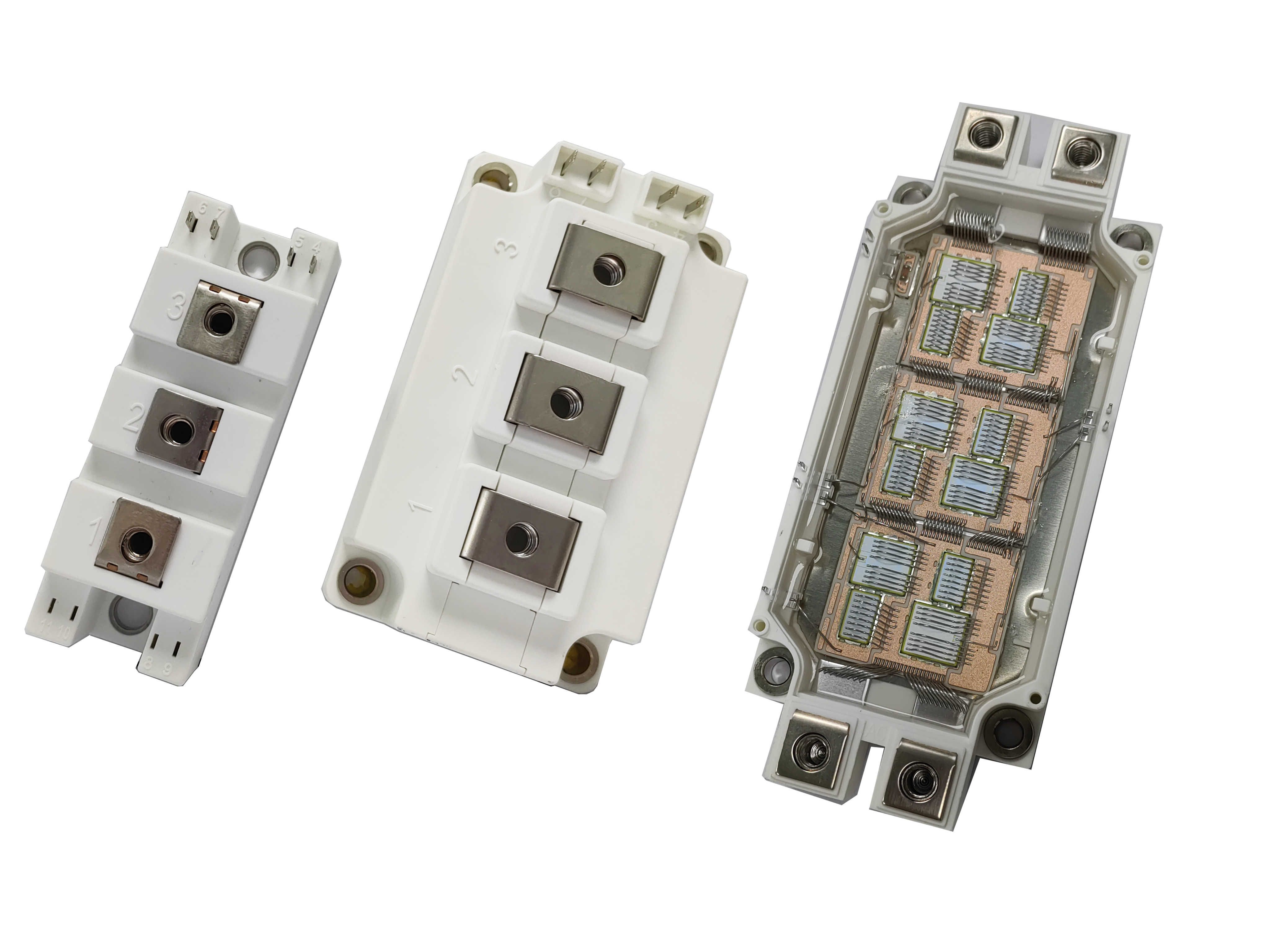
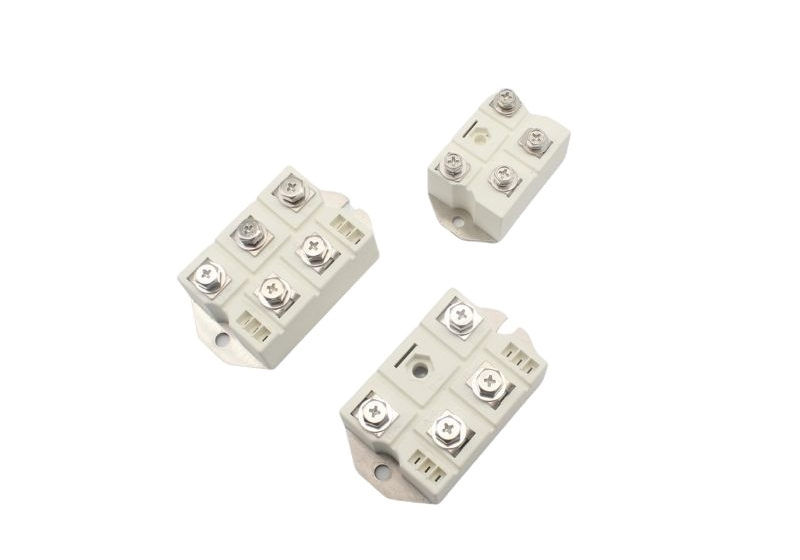
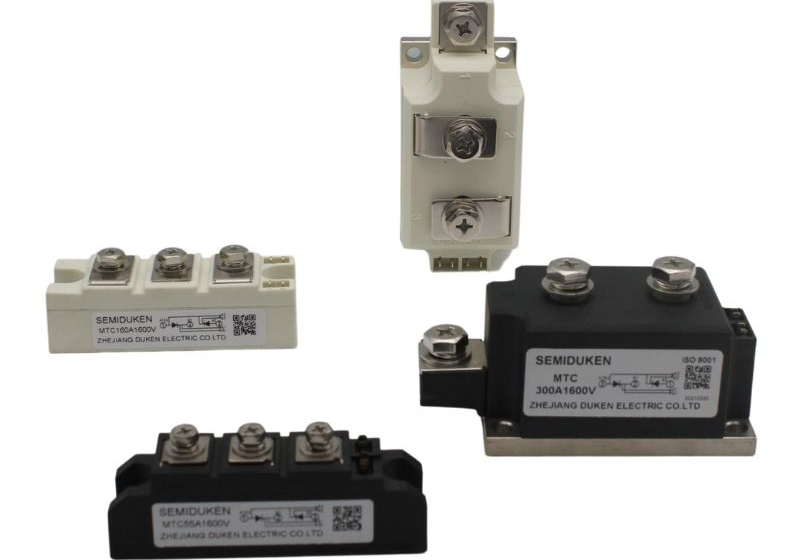
As uninterruptible power supply (UPS) systems become integral to more industries — from medical facilities to cloud computing centers — the importance of designing for compliance and safety has grown dramatically. Every component within these systems must contribute to overall system stability, electromagnetic compatibility, and surge immunity. Two important solutions that enable such compliance are the 2250A‑surge 1000V‑µs‑dv‑dt screw‑mount 106A thyristor module for UPS systems and the compact 7‑pin anti‑parallel 106A thyristor module for UPS systems.
Selecting the right thyristor module is more than a performance decision; it is a matter of legal and operational safety. The wrong component can not only void certifications but also create risk for catastrophic failure. Engineers must choose modules that meet or exceed industry standards and integrate features that ease system certification.
1. The Role of dv/dt Ratings in Safety Compliance
The dv/dt rating of a thyristor defines the maximum rate of voltage change it can withstand without unintentional conduction. A dv/dt event that exceeds the module’s capacity can trigger premature or false activation of the device.
The 2250A‑surge 1000V‑µs‑dv‑dt screw‑mount 106A thyristor module for UPS systems addresses this challenge with a rating of 1000V/µs, providing ample tolerance in noisy electrical environments. When UPS systems are subject to fast switching or harmonic distortions, this module maintains safe operation, which is crucial for compliance with standards such as IEC 61000‑4‑4 (Electrical fast transients).
Equally effective, the compact 7‑pin anti‑parallel 106A thyristor module for UPS systems supports stability through an integrated anti‑parallel architecture. This design minimizes reactive spikes and improves dv/dt immunity by balancing current flow.
2. High Surge Capacity for Regulatory and Operational Assurance
UPS modules must be capable of surviving high‑current surge events that occur during grid switching, motor startups, or fault conditions. The 2250A‑surge rating ensures that the screw‑mount 106A thyristor can handle such transients without permanent degradation.
Incorporating a 2250A‑surge 1000V‑µs‑dv‑dt screw‑mount 106A thyristor module for UPS systems protects the inverter stage from surge damage, enabling longer system life and better performance in compliance testing. A properly rated surge component reduces the need for bulky external protection, simplifying layouts and certification.
Similarly, the compact 7‑pin anti‑parallel 106A thyristor module for UPS systems delivers reliable performance in systems where space is limited but surge tolerance cannot be compromised. Its compact profile allows for tight installation inside compliance‑sensitive environments like modular UPS cabinets.
3. Mechanical Design Features that Support Safety
Mechanical mounting is often overlooked, but a module’s form factor can affect everything from vibration tolerance to electrical clearance. The screw‑mount design ensures that the 106A thyristor remains securely in place, even under prolonged mechanical stress.
For tighter spaces, the compact 7‑pin anti‑parallel 106A thyristor module for UPS systems offers clear advantages. Its pin structure ensures correct polarity alignment, and its anti‑parallel configuration enhances fault isolation — both essential for preventing installation errors that might breach compliance.
4. Navigating UPS Compliance Standards
Designers must understand how component selection affects compliance with global standards such as:
UL 508 and UL 1778 for UPS safety
IEC 62368 for electrical equipment
CE certification and RoHS for environmental compliance
Modules like the 2250A‑surge 1000V‑µs‑dv‑dt screw‑mount 106A thyristor module for UPS systems help meet these standards by integrating surge protection, thermal regulation, and fault containment. Engineers often favor such modules to reduce the need for external surge suppressors or dv/dt clamps — easing the path to certification.