Managing Thyristor Reliability in Furnace Heating Systems: Solutions for Trigger Failures and Overheating
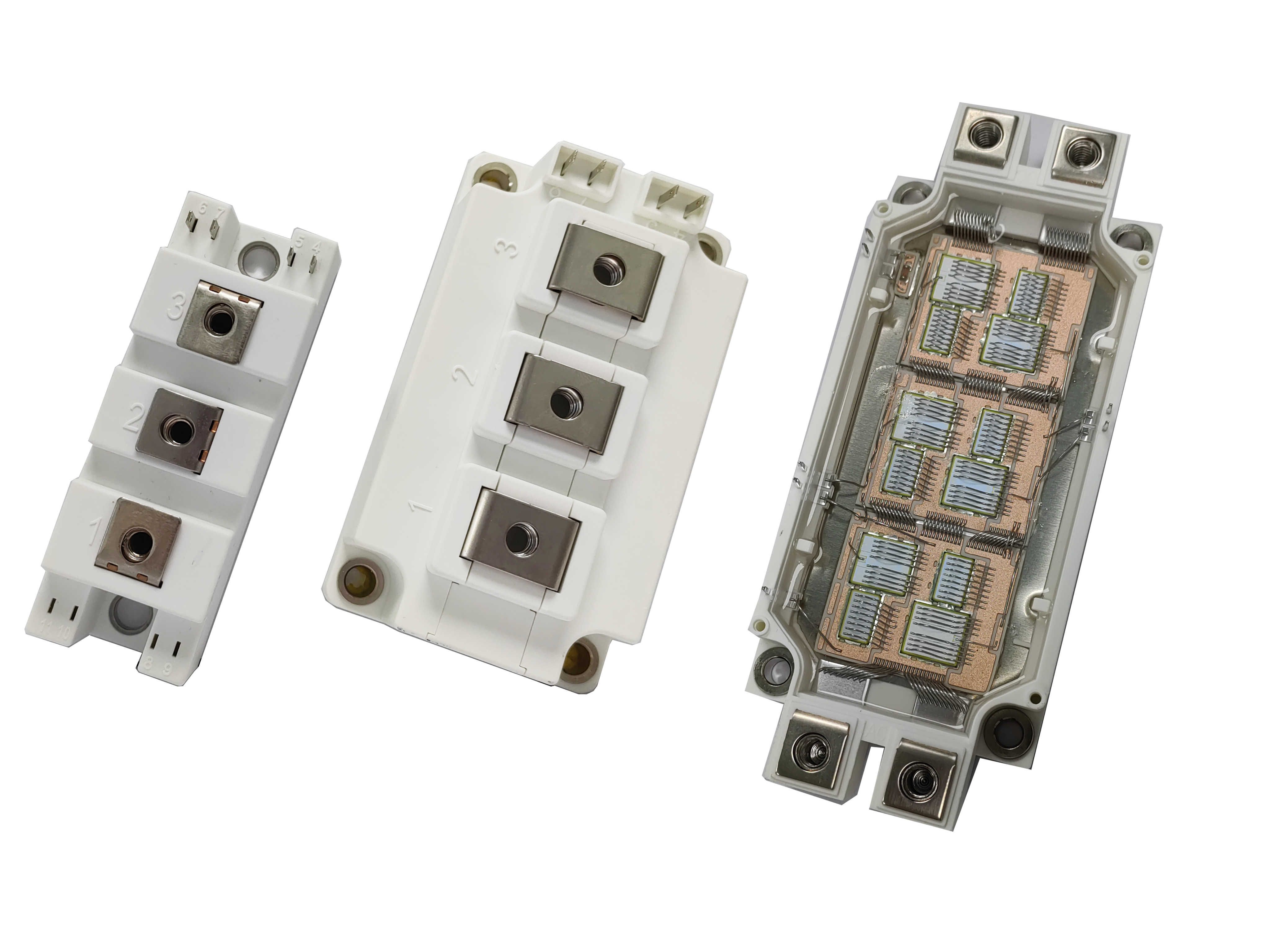
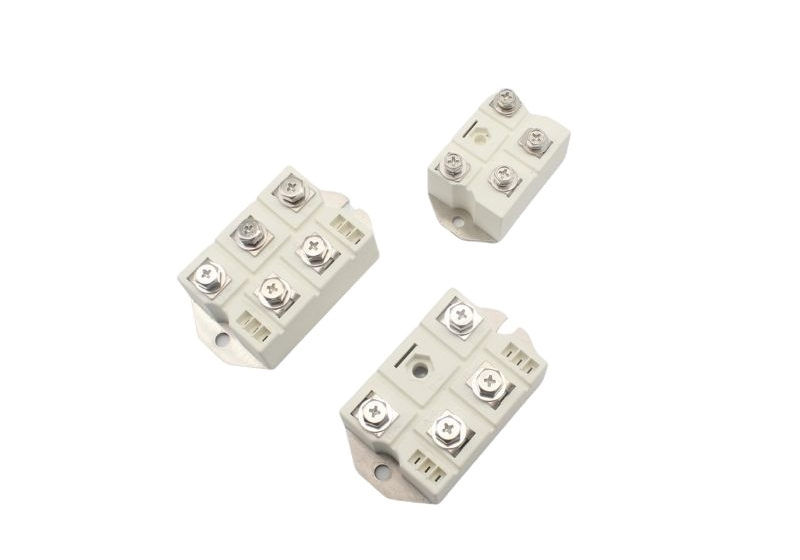
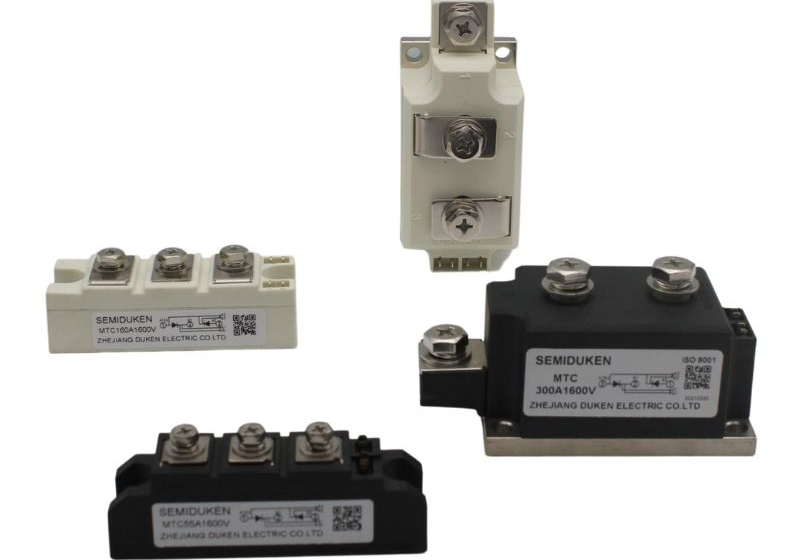
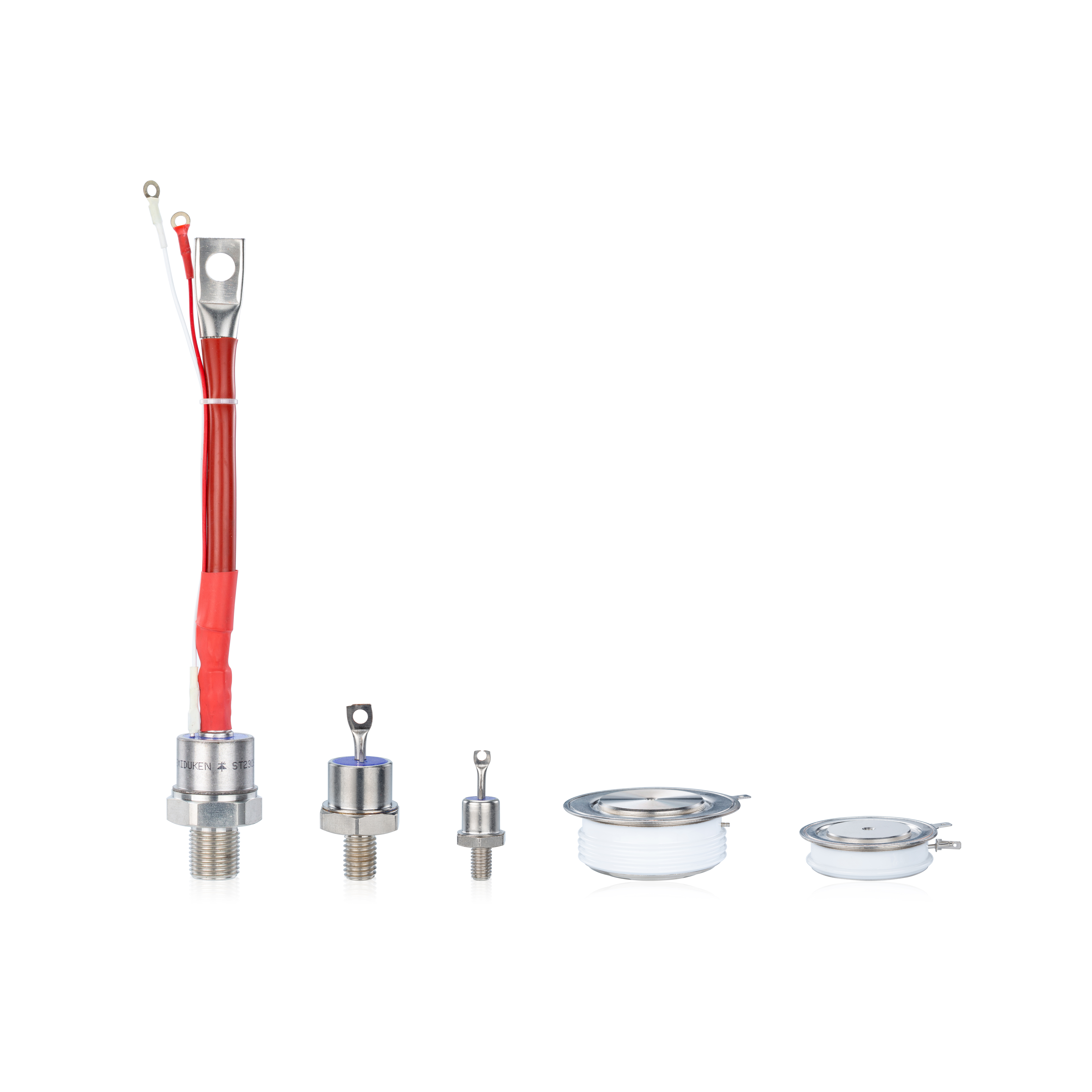
Furnace heating systems demand robust and reliable power conversion solutions, where dual thyristor modules play a central role. These modules, often designed for 6500V operations and equipped with double-side cooling, are the backbone of industrial phase control strategies. However, operational stresses such as false turn-on, no trigger response, and thermal overload can compromise performance and longevity.
This article explores common issues and engineering countermeasures to maintain efficiency and stability in high-voltage heating applications.
1. Trigger Failure in 6500V High-Voltage Applications
In furnace heating environments where voltage exceeds 6500V, the likelihood of gate circuit interference increases. Engineers must account for:
Proper shielding of gate signals, particularly in modules with double-side cooling where heat sink placement may affect signal integrity.
Design layouts that isolate control signals from high-power tracks.
Monitoring the consistency of the gate pulse under real furnace operation load.
Under-triggering due to improper matching can delay response times. When utilizing low on-state voltage thyristor modules, ensure that the driver circuitry is optimized to deliver sufficient gate energy, even under transient dips.
2. Managing Overheat in Continuous Furnace Duty
Overheating is a critical issue in continuous-duty furnace heating systems. Double-side cooling is often employed to dissipate heat symmetrically and avoid thermal stress gradients across the thyristor die. However, issues can arise from:
Poor thermal interface material quality.
Improper torque application on the mounting screws.
Inadequate airflow or coolant circulation around the module.
Choose thyristors with high surge current ratings, as they can better withstand the intermittent overloads common in furnace ignition or power phase ramp-up stages. Modules engineered for industrial phase control will also have extended thermal cycling lifespans, essential for frequent on-off operations.
3. False Turn-On Under High-EMI Conditions
False turn-on is a dangerous condition in high-temperature environments like furnace heating, potentially leading to uncontrolled energy release. Typical causes include:
Electromagnetic interference from adjacent equipment.
dv/dt spikes from long transmission cables.
Grounding inconsistencies.
Dual thyristor modules designed for 6500V operation should include robust snubber networks and high dv/dt tolerance. Additionally, low on-state voltage helps reduce the susceptibility to leakage-triggered activation.
High-reliability modules with double-side cooling reduce hot spot formation, lowering the chance of unintentional gate activation due to thermally induced current paths.
4. Long-Term Design for Thermal Stability and Surge Immunity
For consistent industrial phase control, systems must be designed with lifecycle performance in mind. In furnace heating applications:
Implement real-time thermal monitoring using embedded sensors.
Select thyristor modules with both high surge current and low on-state voltage characteristics.
Design for easy maintenance access to cooling paths and power terminals.
Many modern dual thyristor modules now offer integrated protection and diagnostics, streamlining fault detection and reducing downtime in industrial heating plants.
5. Maintenance Protocols to Prevent Trigger and Thermal Failures
To prevent recurring faults:
Regularly recalibrate trigger control systems.
Clean heat sink surfaces on double-side cooling modules to maintain effective heat dissipation.
Replace thermal pads during routine maintenance every 12-18 months.
Modules rated for 6500V, high surge current, and industrial phase control are engineered to endure the demanding conditions of furnace heating. Adhering to these guidelines ensures better reliability and operational safety.