Leveraging 1200A Thyristors for Efficient Soft-Start Motor Drive Systems
Electric motors are the workhorses of industry, powering pumps, compressors, conveyors, and countless other systems. But starting a high-power motor directly from the grid can lead to significant problems: electrical stress, mechanical shock, and reduced equipment life. The adoption of soft‑start motor drive solutions has transformed industrial operations by minimizing these risks. At the core of many of these systems is the 1200A phase control thyristor, an advanced semiconductor device that combines durability, performance, and efficiency.
This article explores how 1200A phase control thyristors are revolutionizing soft-start applications while also contributing to broader system improvements in electromagnetic heating systems and mining equipment power control.
Challenges of Motor Starting in Industrial Environments
When a motor is started directly—commonly known as direct-on-line starting—it draws a current several times higher than its normal running level. This surge can damage components, trip circuit protection, and create voltage sags in the electrical network. In mechanical terms, sudden torque causes stress on shafts, belts, and gearboxes.
To address this, engineers turn to soft‑start motor drive technology. These systems gradually ramp up the voltage applied to the motor, smoothing out the start and reducing inrush current. The use of 1200A phase control thyristor modules in this context enables precise control over the phase angle of the AC voltage, allowing for scalable and repeatable start profiles.
The low on‑state voltage drop of these thyristors minimizes power losses during conduction, keeping energy consumption in check while also reducing heating of the component itself. This is particularly valuable in applications where motors must be started and stopped frequently or operate under load.
Technical Benefits of 1200A Phase Control Thyristors
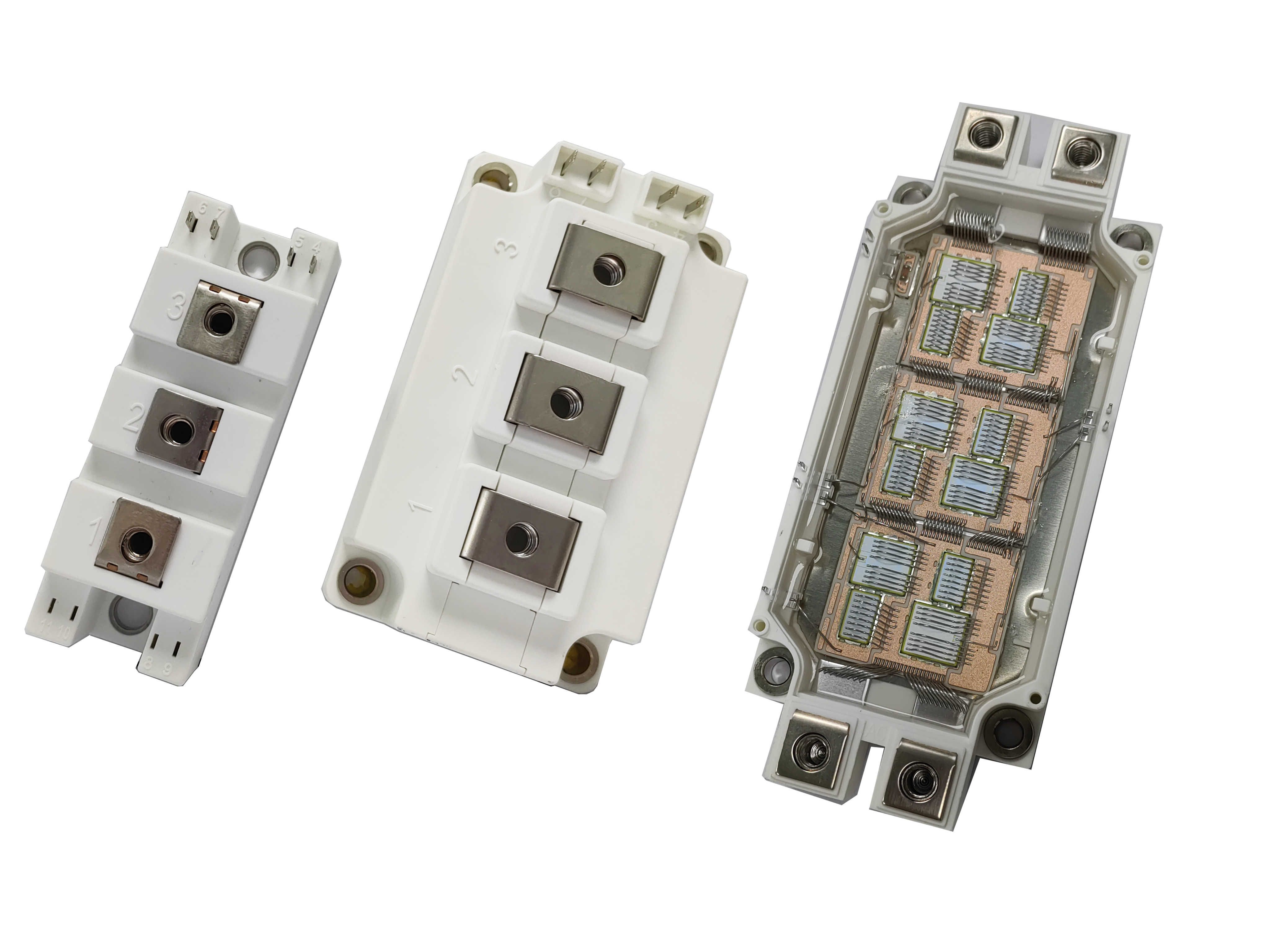
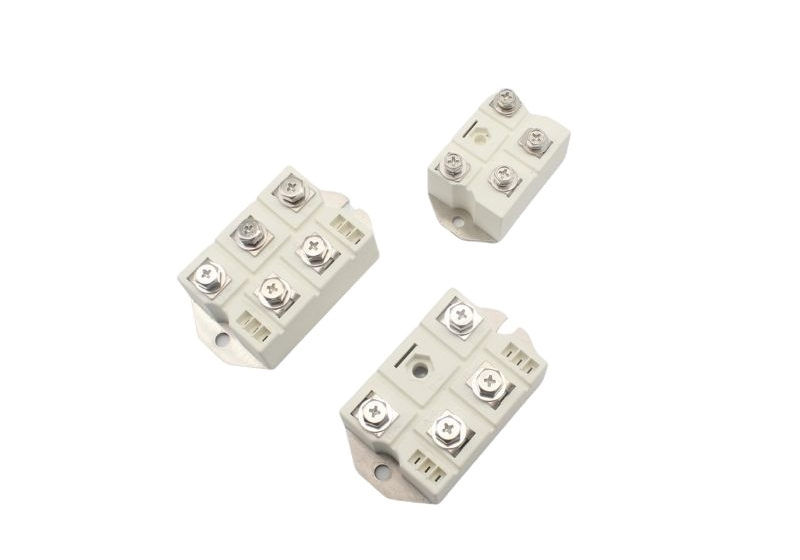
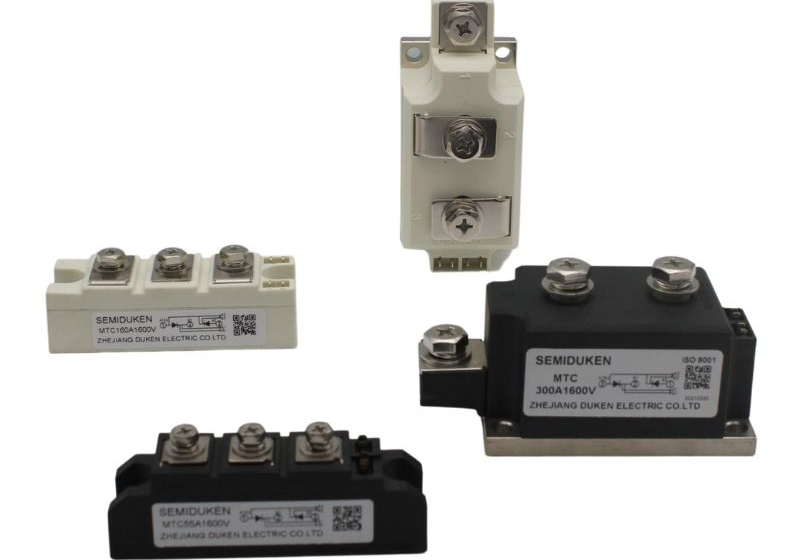
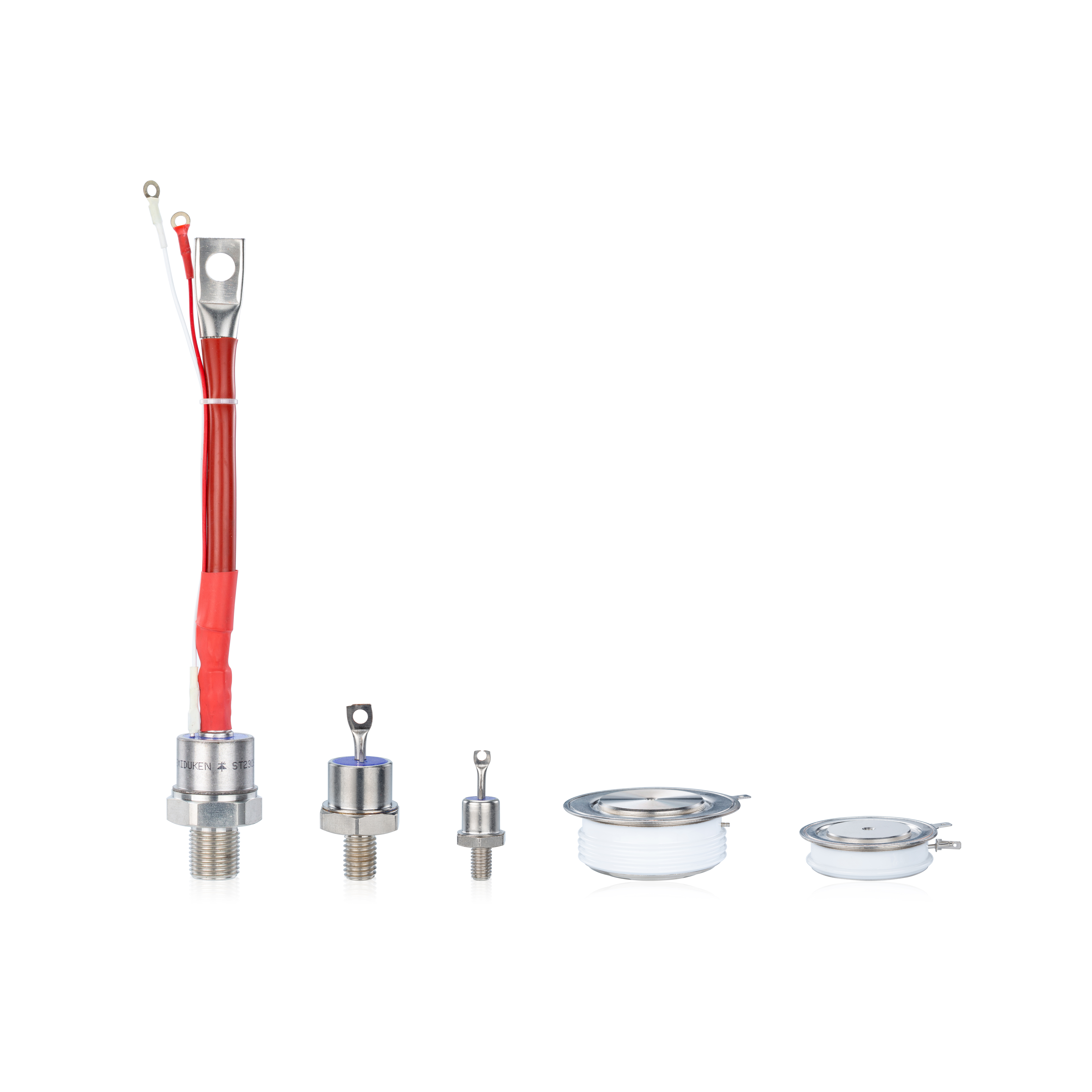
The thyristors used in industrial soft-start drives are not generic. A 1200A phase control thyristor is engineered for demanding conditions, offering performance metrics such as 6500 V VRRM voltage rating and superior surge current handling.
One critical characteristic of these components is their high dv/dt immunity. This enables them to withstand rapid voltage transitions—a key feature when operating in noisy industrial environments or within circuits that see frequent switching activity. This dv/dt resilience helps prevent unintended triggering, ensuring that thyristors operate only when commanded, adding a layer of safety and system integrity.
In addition to their primary role in motor drives, these thyristors can also be used for phase-angle control in electromagnetic heating systems. Their high thermal stability and reliable switching characteristics enable precise heating cycles, making them versatile tools across various heavy-duty sectors.
Mining Equipment and Rugged Applications
The value of 1200A phase control thyristor modules extends beyond manufacturing into resource-heavy industries like mining. Equipment such as crushers, hoists, and conveyors must often start under load and operate continuously under tough conditions. Soft‑start systems equipped with these thyristors help protect these machines during start-up while maintaining consistent power delivery.
The rugged construction of these components allows them to resist vibrations, temperature extremes, and environmental contaminants common in mining environments. Additionally, their high current capacity and 6500 V VRRM rating make them suitable for managing the complex loads involved in mining equipment power control.
In these settings, integrating the same thyristor components into both motor and heating control circuits simplifies maintenance, reduces part inventory, and ensures consistent performance across systems.
Energy Efficiency and Process Optimization
Modern industries are under constant pressure to improve energy efficiency. A soft‑start motor drive built with low-loss, high-current thyristors reduces both peak demand and operating losses. This translates directly to lower utility costs and compliance with energy standards.
By reducing mechanical stress, these systems also decrease the need for frequent maintenance and replacement of moving parts. Over time, this reduces the total cost of ownership and increases the availability of critical systems.
Moreover, when integrated with electromagnetic heating systems, these thyristors help deliver tightly controlled heating profiles that reduce scrap and optimize processing times. Their contribution to system-wide precision makes them indispensable in applications that demand consistency, such as food processing, metalworking, or petrochemical treatment.
Conclusion: A Modern Standard for Motor Control
The 1200A phase control thyristor has proven itself as a foundational component in advanced power electronics. From enabling gentle starts in soft‑start motor drive systems to enhancing control in electromagnetic heating systems and surviving the rigors of mining equipment power control, this component is at the forefront of industrial innovation.
With features such as high dv/dt immunity, low on‑state voltage drop, and a 6500 V VRRM rating, it offers a balance of power, precision, and protection. For engineers and operators seeking a reliable solution to modern power challenges, this thyristor is a cornerstone in building smarter, safer, and more efficient infrastructure.