Improving System Efficiency with 700A Phase Control Thyristors: A Practical Engineering Guide
Modern power electronics applications demand not just performance, but energy efficiency. The 700A phase control thyristor is a trusted solution in high-voltage power regulation systems, and its proper implementation can greatly influence overall system efficiency. This article provides engineers with a hands-on approach to improving efficiency using 700A thyristors, with emphasis on selection, integration, and cooling techniques.
Understanding the Role of Key Electrical Ratings
The electrical characteristics of the thyristor are critical in determining how much power is lost as heat during operation. For high-efficiency performance, engineers should select components with optimized parameters like the datasheet KP700A‑6500V low leakage current 700A phase control thyristor.
This device features low leakage current under blocking conditions, reducing idle power consumption and heat buildup. Its 6500V rating ensures robust performance under high-voltage conditions, reducing stress and increasing long-term efficiency.
Thermal Interface and Cooling Design
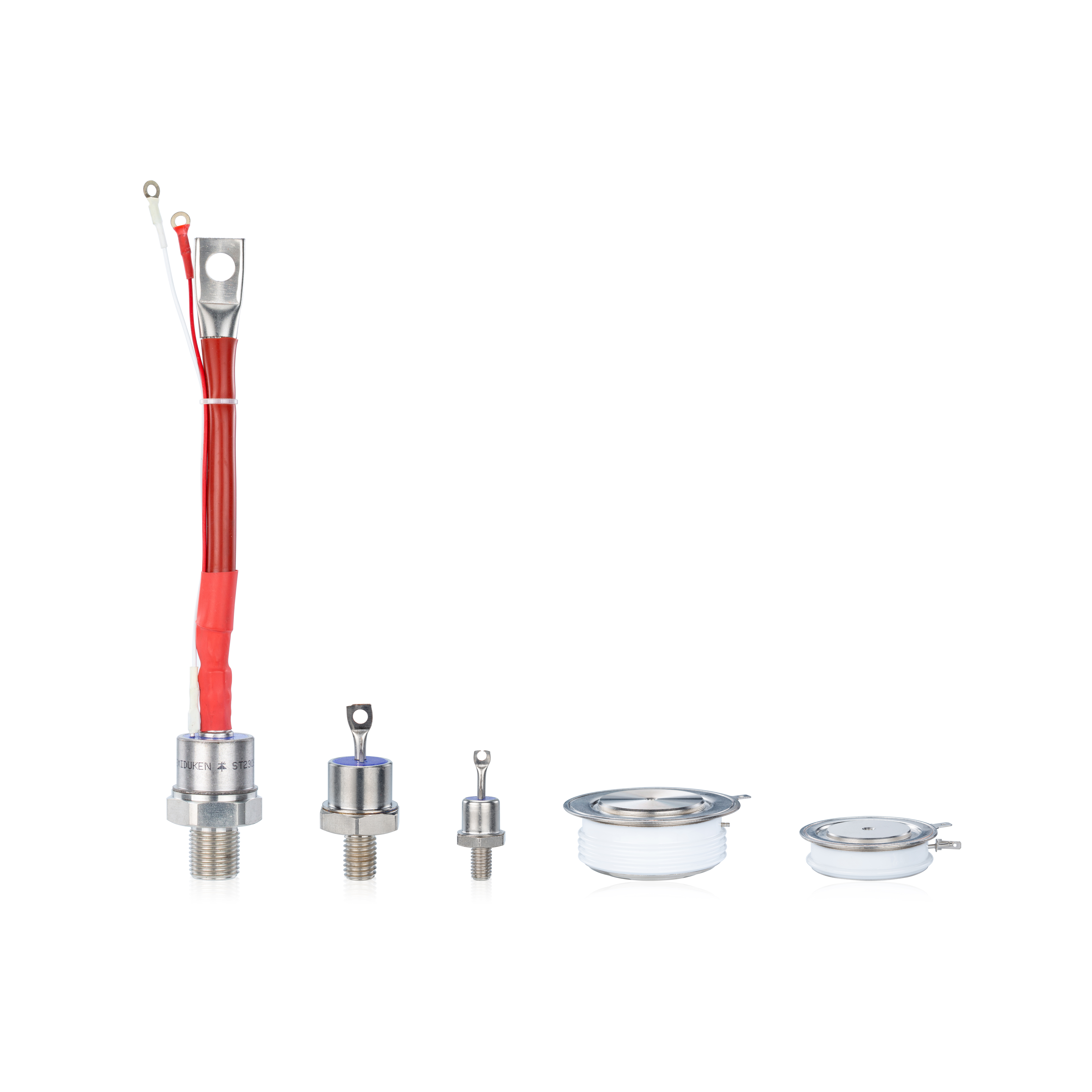
Thermal performance is as vital as electrical ratings. Even the most efficient thyristor can become a power drain if poorly cooled. The high surge current rating Aluminium housing disc package 700A phase control thyristor is specifically engineered to excel in thermal dissipation.
Its disc package and aluminium housing allow for rapid heat transfer to external heatsinks. Proper mounting pressure, quality thermal paste, and airflow management can make a significant difference in maintaining low junction temperatures—thus preserving efficiency.
Smart system design also includes redundancy in cooling (e.g., backup fans), and monitoring devices to track case and heat sink temperatures in real-time.
Trigger Circuit Precision and Loss Minimization
A common source of inefficiency is imprecise triggering. Thyristors must be fired at the right time in each AC cycle. Delayed or unstable triggering can lead to higher harmonic distortion and heat generation. The datasheet KP700A‑6500V low leakage current 700A phase control thyristor responds predictably when matched with clean, consistent gate pulses.
Trigger circuits should be isolated from power noise, especially in industrial environments. Pulse transformers, opto-isolators, and controlled gate currents contribute to minimal conduction delay, ensuring that each firing cycle translates into effective energy use.
System Integration Best Practices
Efficiency is not just about the component—it's also about how it’s integrated. The high surge current rating Aluminium housing disc package 700A phase control thyristor should be used in systems that fully utilize its surge capability, without pushing it past design limits.
Engineers should design circuits with ample safety margins, taking into account start-up surges, short-circuit protection, and snubber networks for dv/dt control. Use real-world stress simulations based on datasheet KP700A‑6500V values to validate operating conditions before deployment.
Conclusion
System efficiency begins at the design table and is achieved through smart component selection and disciplined engineering. With thyristors like the datasheet KP700A‑6500V low leakage current 700A phase control thyristor, and packaging solutions such as the high surge current rating Aluminium housing disc package 700A phase control thyristor, engineers can realize power control systems that are both robust and energy-conscious.
Through attention to gate control, thermal management, and precise integration, the full potential of the 700A phase control thyristor can be unlocked in high-demand industrial environments.