How Do Suppliers Price 1000A Phase Control Thyristors?
t first glance, a 1000A phase control thyristor might seem like a standard component in industrial power electronics. But look closer, and you’ll find a complex set of variables that determine its price—and ultimately, its long-term value in the field.
Leading global suppliers don't just price by amperage. Instead, they build pricing models around performance durability, efficiency under stress, and long-term return on investment.
Here’s a deeper look at what really drives pricing across industrial-grade thyristors in today’s market.
1️⃣ Gate Trigger Control & Heat Resistance
More control. More resilience. More cost.
Devices labeled as high junction temperature tolerance gate trigger control thyristors command a higher price for good reason.
These devices typically:
Operate reliably at junction temperatures up to 150°C
Function stably in non-cooled enclosures, field-based installations, or subtropical climates
Maintain consistent gate triggering even in high EMI (electromagnetic interference) environments
Such performance is crucial for sectors like:
Steel plants (heavy continuous load)
Wind farms (remote, hot, or enclosed installations)
Grid-side converters (sensitive to gate misfiring)
By ensuring fault-free commutation, these thyristors help prevent catastrophic failures that can halt an entire production line. The initial price is higher—but for precision-heavy applications, they’re indispensable.
2️⃣ Efficiency by Design: Reduced Losses = Reduced Costs
Lower on-state voltage drop = long-term energy savings
A premium low V<sub>T</sub> 1000A thyristor can offer tangible cost advantages by reducing:
Conduction losses during high-current operation
Thermal strain on heatsinks and boards
System size and weight (via smaller cooling hardware)
These thyristors are:
Favored in compact inverter modules, battery charging stations, and modular UPS systems
Built with refined silicon wafer tech and tight V<sub>TM</sub> control
In systems with high duty cycles, just a few tenths of a volt in lower V<sub>T</sub> can equate to thousands of kilowatt-hours saved over the product lifespan. That kind of efficiency makes a compelling business case, even with a 20–30% higher component cost.
3️⃣ Mechanical Design & Surge Tolerance: Built to Survive
Disc packages cost more — and survive longer.
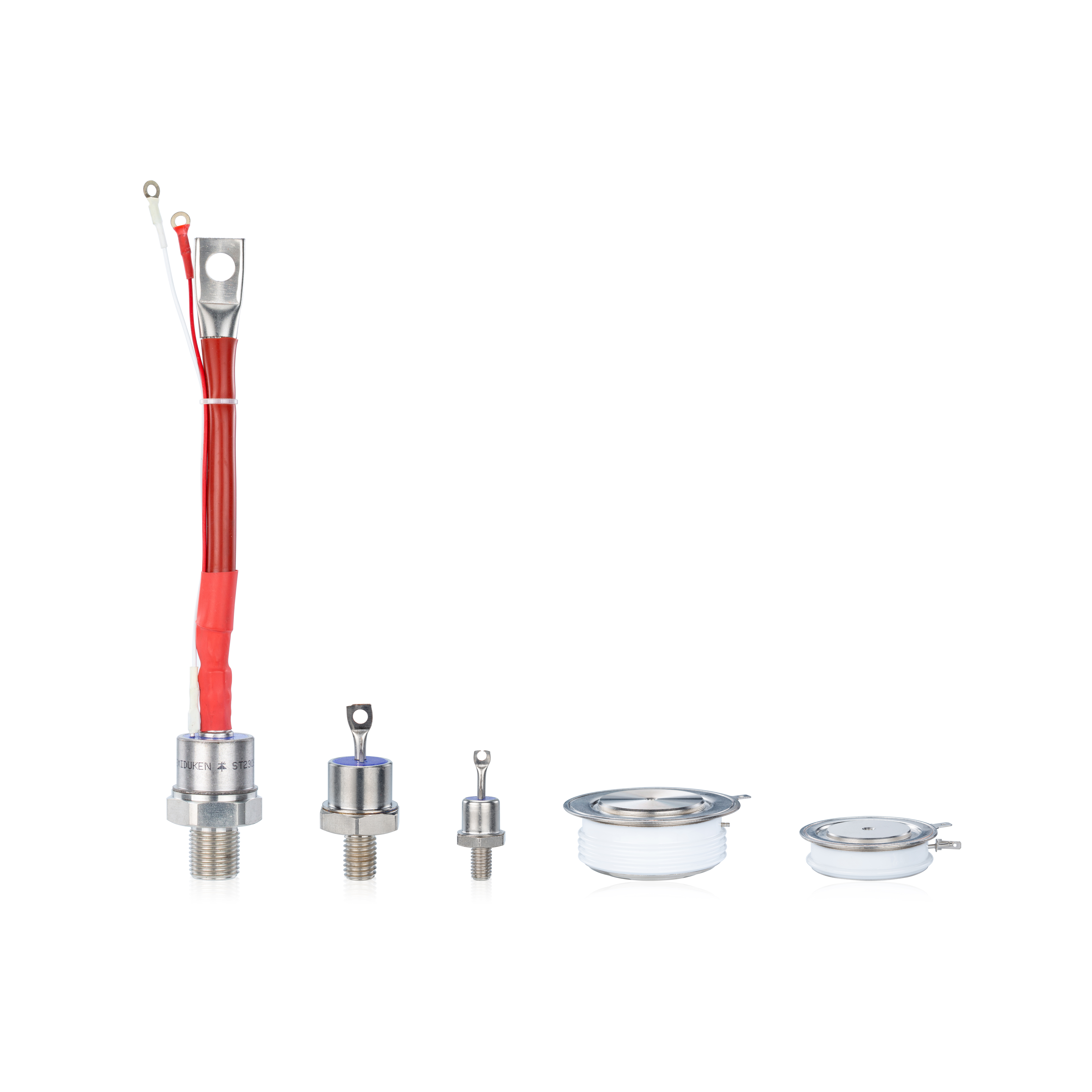
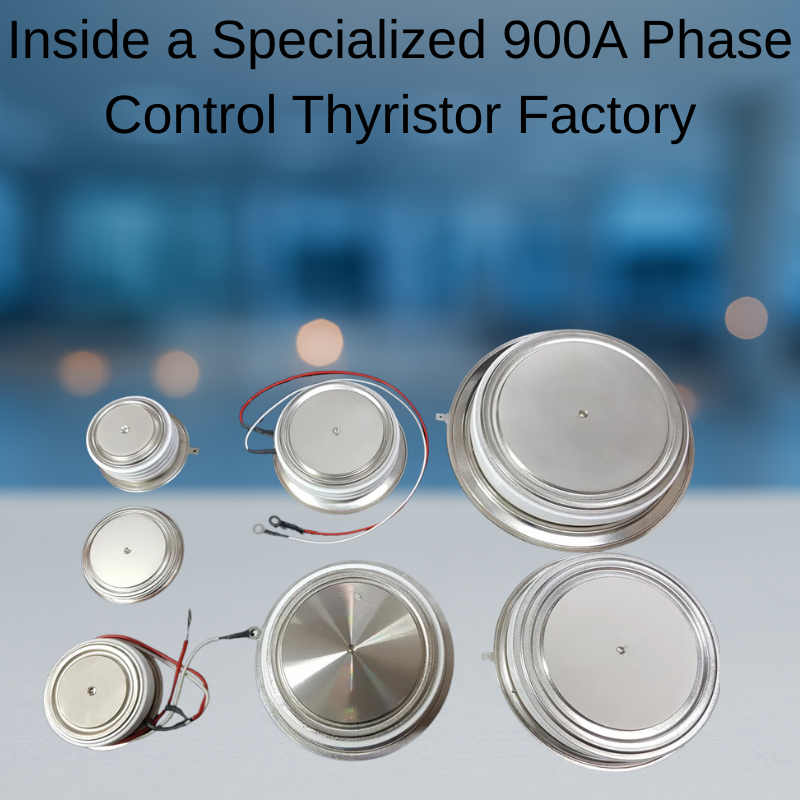
The aluminum housing disc package high surge current rating thyristor may seem overbuilt, but in applications like marine propulsion or arc furnaces, it’s the only rational choice.
Benefits include:
Enhanced clamping force, ensuring low thermal resistance under mechanical stress
Aluminum casing for superior heat spreading and corrosion resistance
Surge handling capabilities above 25kA, essential in grid-interfacing systems or load-cycling environments
These features drastically reduce the risk of:
Overvoltage-related thermal runaway
Internal arc flash
Repetitive thermal fatigue failure