High ITSM and Low VTM Explained: Building Blocks of Reliable Power Modules
As industries shift toward more complex electrical systems, engineers increasingly rely on components that can handle high demands with minimal losses. Two key performance metrics—High ITSM (surge current tolerance) and Low VTM (on-state voltage drop)—are foundational when selecting switching components for sensitive or high-load environments. This article explains how these properties are engineered into industrial phase control dual thyristor modules and why they’re essential across applications ranging from desalination and smart grid setups to laser and bottling systems.
1. What Engineers Should Know About ITSM
High ITSM, or the maximum non-repetitive surge current a device can withstand, is critical during fault conditions or during start-up when currents spike well above the steady-state level.
Imagine a 250A dual thyristor module powering a desalination motor. On activation, the motor might briefly draw much more than its nominal current. Without a high ITSM rating, the module risks damage. Devices with high surge current capacity mitigate this risk by safely absorbing such spikes, ensuring longer operational life.
In smart grid installations, ITSM helps equipment survive unpredictable load conditions during network switchover events. Modules designed for these environments must handle faults gracefully to maintain grid stability.
2. Understanding VTM and Its Efficiency Role
Low VTM, or low voltage drop across the device during conduction, results in lower energy losses and thermal stress. This not only improves efficiency but also reduces the need for excessive cooling infrastructure.
This feature is especially valuable in bottling plants and 1.2V high frequency switching systems, where high operation rates demand low energy loss per cycle. Even minor improvements in low on‑state voltage can yield noticeable performance gains over time.
For laser and radar technologies, low VTM minimizes waveform distortion, ensuring consistent power delivery at high switching speeds. This enhances system precision and extends component reliability.
3. How Dual Thyristor Modules Integrate ITSM and VTM
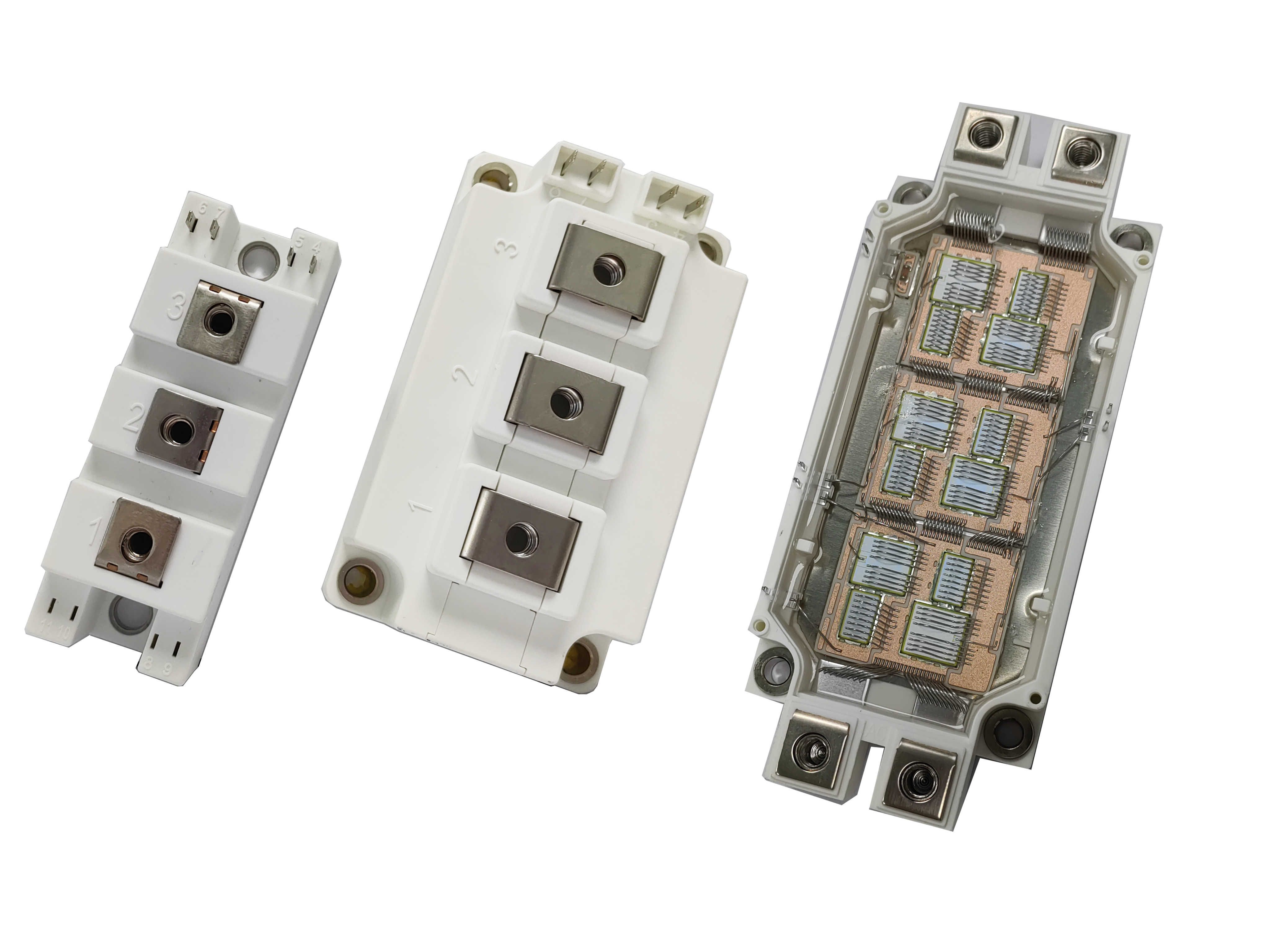
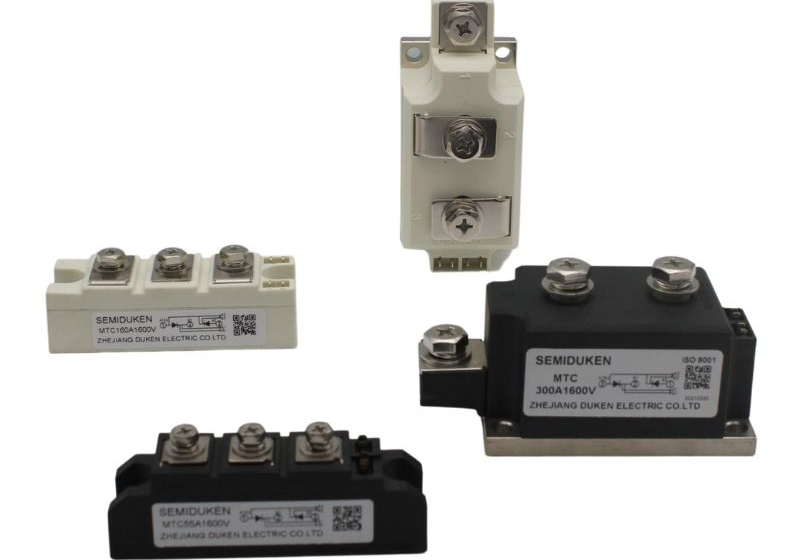
Industrial phase control dual thyristor modules are specifically engineered to support both high ITSM and low VTM in one compact form. Benefits include:
Ratings up to or above 250A
Surge protection with robust high surge current thresholds
On-state voltage drops as low as 1.2V
Compact ceramic base designs for optimal thermal regulation
Designed for high-frequency switching and precision loads
This balance allows these modules to be deployed in high-intensity environments, including desalination systems, where salt, moisture, and heavy-duty motors coexist, or in smart grid nodes, where uptime and durability are paramount.
4. System-Level Advantages of Optimized ITSM and VTM
A properly selected thyristor module reduces maintenance costs, improves operational efficiency, and extends the lifetime of connected systems. Design advantages include:
Fewer overheating events in dense control panels
Lower total harmonic distortion in power delivery
Enhanced performance in radar and laser pulse generation
Better power factor management in reactive loads
When modules with low on‑state voltage and high surge current resistance are deployed in bottling and smart grid systems, total system energy loss is minimized, while mechanical and electrical stability is improved.
5. Where ITSM and VTM Deliver Real Value
Real-world industries benefiting from these dual advantages include:
Desalination: Reduced module failure under motor inrush
Smart grid: Reliable grid interfacing and load cycling
Laser/Radar: Stable, precise energy bursts with minimal noise
Bottling: Continuous operation without overheating in fast-switching machinery
In every case, selecting components designed with optimal ITSM and VTM helps engineers achieve high performance without compromising reliability or energy goals.