Exploring the Phase Control Thyristor: Fundamentals, Applications, and Selection Strategies
The phase control thyristor is a cornerstone component in modern power electronics, enabling precise control of AC power in various industrial and commercial environments. Its ability to modulate the phase angle of current conduction allows for smooth power regulation, efficient energy use, and optimized system performance. In this article, we’ll explore the fundamentals of phase control thyristors, their main applications, and practical tips for selection and integration.
What Is a Phase Control Thyristor?
A phase control thyristor is a high-power, semiconductor switching device belonging to the thyristor family. Like other thyristors, it features four alternating layers of P- and N-type materials, forming a device that can be turned on by a gate signal but will only turn off when the current through it drops below a certain threshold. Unlike standard rectifier diodes, phase control thyristors allow the user to precisely control the point in each AC cycle when the device starts to conduct—this is known as “phase angle control.”
By delaying the triggering of the gate in each cycle, the phase control thyristor effectively regulates how much of the AC waveform reaches the load. This feature makes it invaluable for smooth voltage and current adjustment in numerous applications.
Core Applications of Phase Control Thyristors
1. Industrial Power Control
Phase control thyristors are widely used for managing power delivery to industrial loads such as heaters, induction furnaces, and resistive or inductive machinery. By adjusting the firing angle, operators can regulate temperature, speed, or torque, optimizing both process efficiency and energy consumption.
2. Soft Starters for Motors
Electric motors, especially those powering heavy machinery, experience large inrush currents during startup. Phase control thyristors enable soft-start functionality by gradually increasing voltage to the motor, reducing mechanical stress and preventing electrical disturbances on the supply network.
3. AC/DC Conversion and Rectification
In controlled rectifier circuits, phase control thyristors allow for adjustable DC output from an AC supply. This is essential in fields like electrolysis, battery charging, and variable-speed drive systems, where precise DC control is necessary.
4. Light Dimming and Fan Speed Regulation
In commercial and residential settings, phase control thyristors are used in light dimmers and fan speed controllers. By cutting out a portion of the AC waveform, these devices provide smooth and reliable control over lighting intensity or fan speed.
Technical Advantages
High Voltage and Current Handling: Phase control thyristors are designed for operation at hundreds or thousands of volts and can handle currents of hundreds or even thousands of amperes.
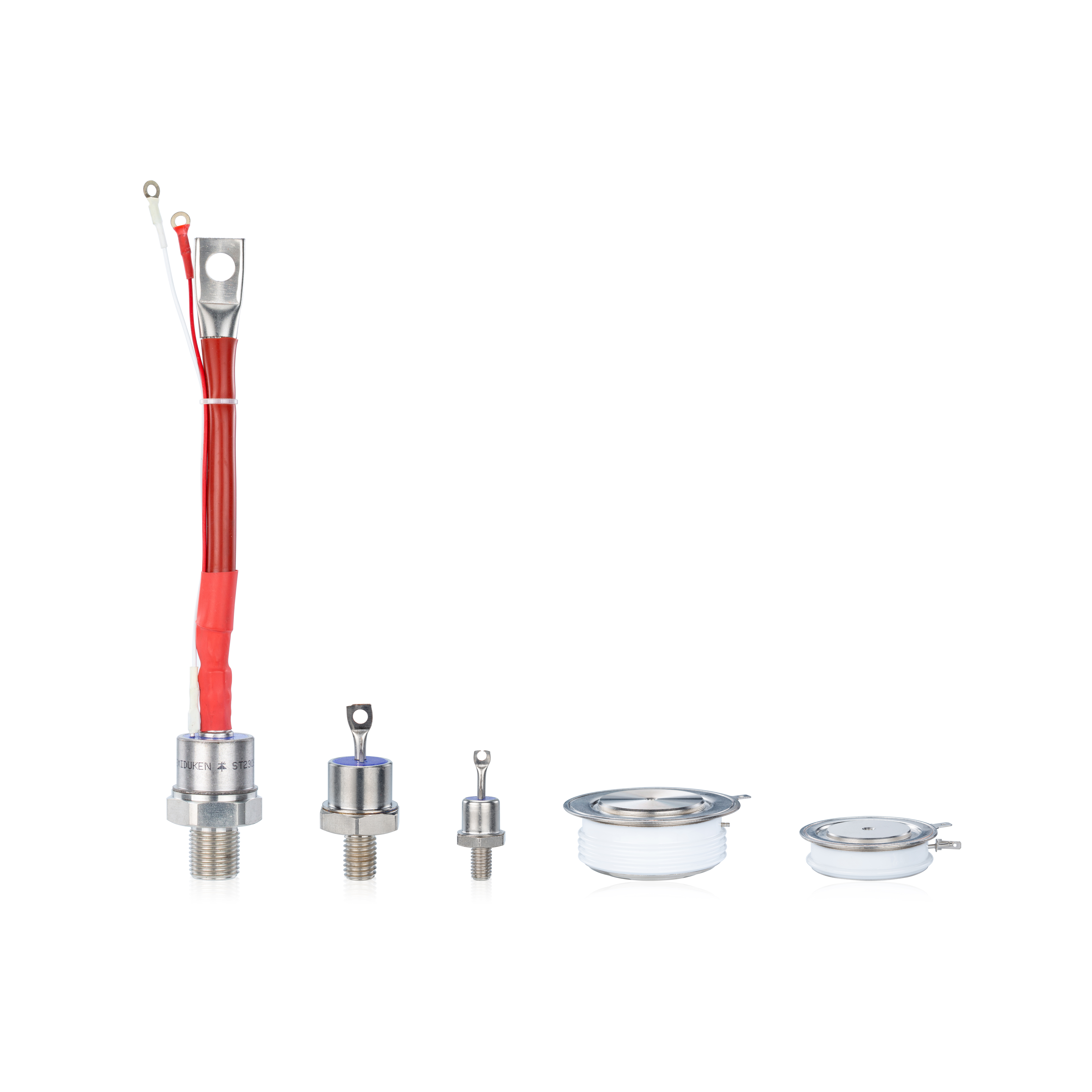
Excellent Thermal Stability: Most phase control thyristors use advanced disc package designs and high-quality silicon to ensure reliable operation under demanding thermal conditions.
Fast and Reliable Triggering: Modern gate designs allow for quick, precise triggering, enabling accurate phase angle adjustment and minimal delay.
Selection and Integration Tips
When selecting a phase control thyristor, engineers should pay attention to several critical factors:
Voltage and Current Ratings: Choose a device with ratings that exceed the maximum expected load conditions, including possible surge events.
Surge Current and I²t Capacity: For applications with frequent short circuits or large inrush currents, select thyristors with robust surge and energy-handling capabilities.
Thermal Management: Proper heat sinking, forced cooling, or liquid cooling may be required in high-power installations.
Gate Trigger Requirements: Ensure compatibility with your control electronics, including gate current and voltage needs.
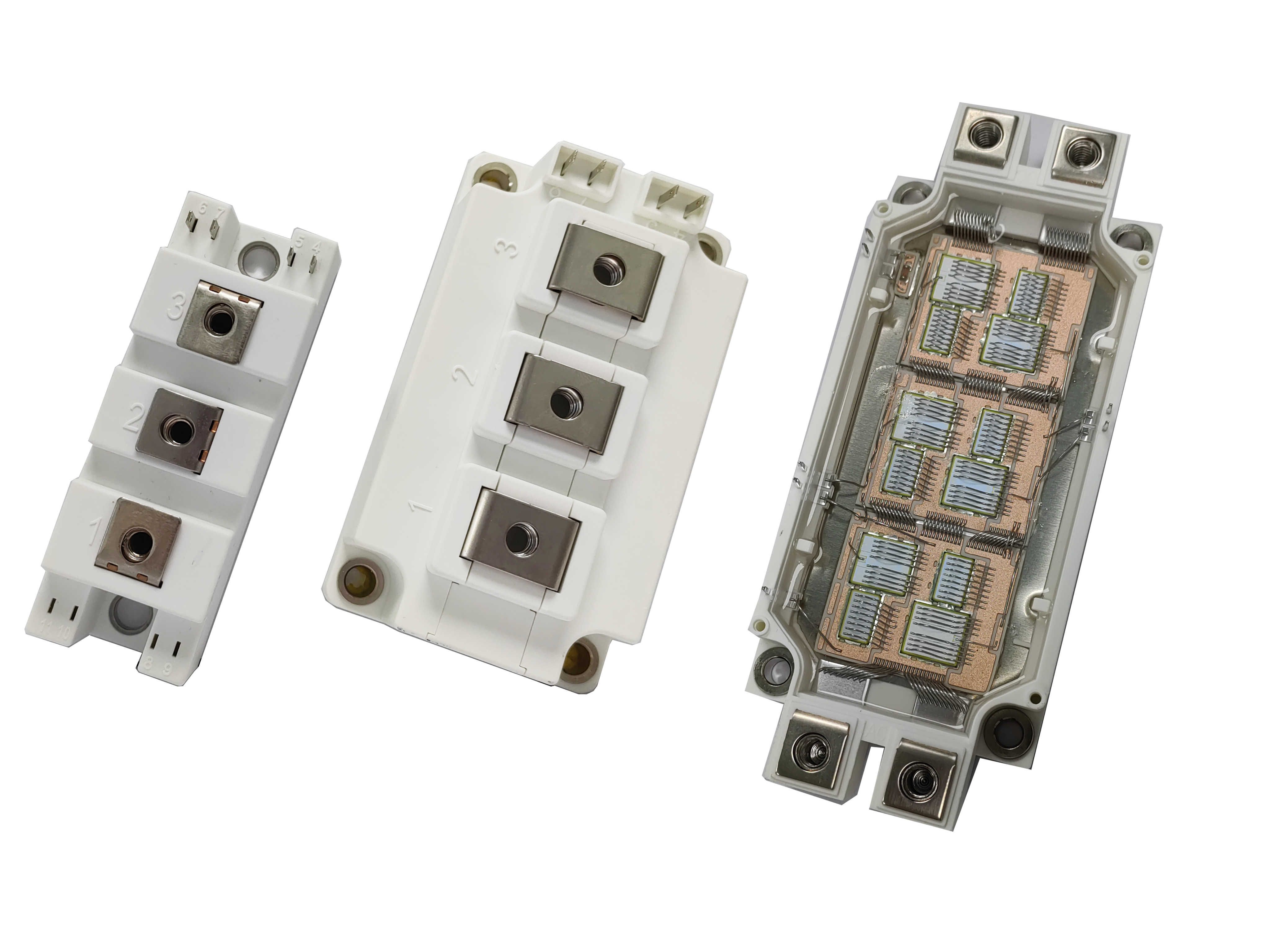
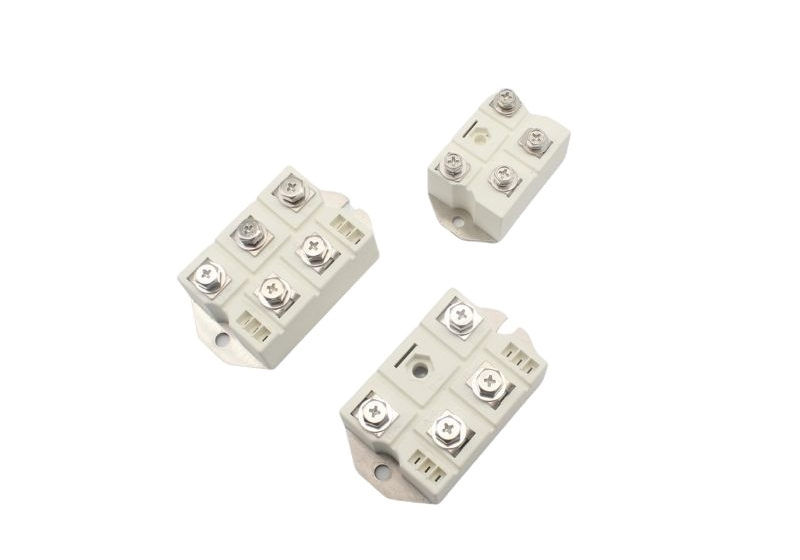
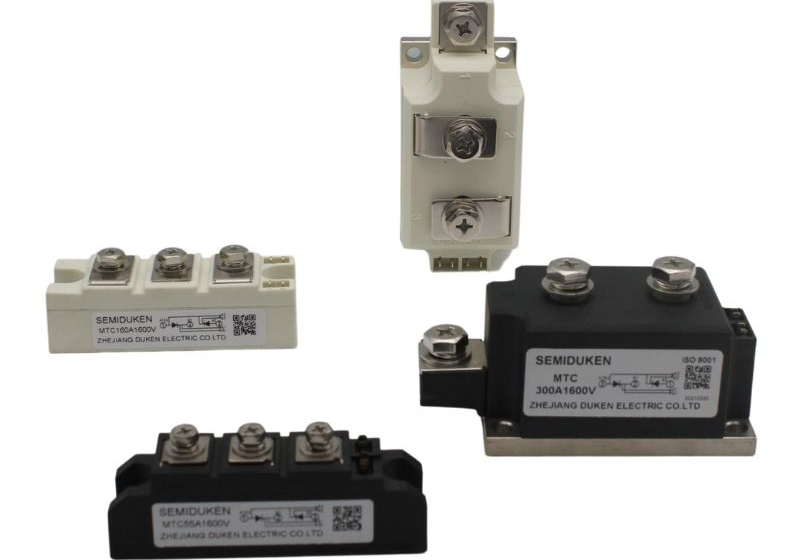
Package Type: Disc packages are ideal for high-current, high-voltage environments, while stud or module types may suit lower-power applications.
Conclusion
Phase control thyristors are indispensable in modern power electronics, offering unparalleled flexibility and reliability for AC power control, motor soft starting, and precision rectification. By understanding their operational principles and carefully selecting the appropriate device for each application, engineers can design systems that are energy-efficient, reliable, and tailored to the needs of today’s advanced industries.