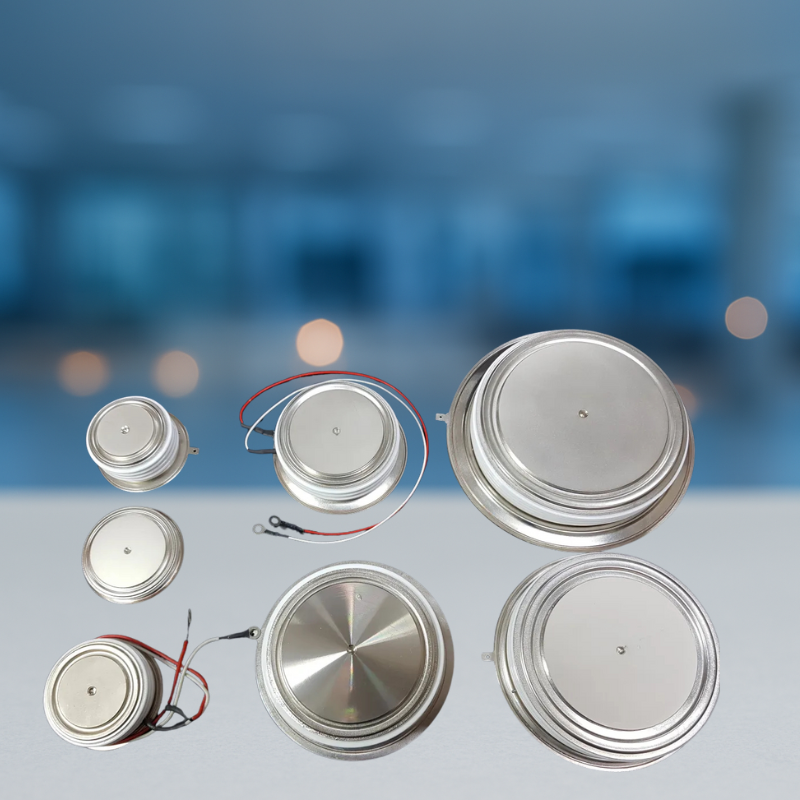
Designing Robust Power Systems with 1500A Phase Control Thyristors: Best Practices and Supplier Insights
Modern industrial power systems are expected to deliver both performance and reliability across varied operating conditions, from heavy manufacturing to energy conversion and transport. At the heart of many of these systems lies the 1500A phase control thyristor, a device capable of controlling high currents with precision, while withstanding demanding electrical and thermal stress. However, merely selecting a high‑current component is not enough — a successful design also depends on understanding thermal management, mechanical packaging, switching behavior, and, crucially, choosing a reliable supplier that stands behind product quality and application support.
In this article, we’ll discuss holistic approaches to designing systems using 1500A phase control thyristors and how key features such as high surge I²t capacity, forced‑cooling heat sink integration, Aluminium housing disc package construction with low leakage current, and high current switching device capabilities influence overall performance. We also explain why dependable supplier partnerships help maximize system uptime and reduce lifecycle cost.
1. The Importance of High Surge I²t Capacity in Power Designs
One of the most critical specifications to evaluate when designing with a 1500A phase control thyristor is its high surge I²t capacity. This parameter represents the device’s ability to tolerate high energy surges — short bursts of current beyond its rated continuous capacity. Surge events are common in industrial environments, especially when starting large inductive loads or during fault conditions.
A “high surge I²t capacity 1500A phase control thyristor” can absorb these transient events without degradation or failure, safeguarding both the thyristor and associated circuitry. Surge tolerance is not only a measure of peak current endurance but also a reflection of internal junction robustness and thermal inertia — both essential for long‑term reliability.
2. Managing Heat with Forced‑Cooling Heat Sink Solutions
Thermal management is a cornerstone of any high‑power design. Heat is generated whenever current flows through a semiconductor’s junction and increases with both continuous load and transient events. Without sufficient heat dissipation, devices operate at elevated junction temperatures, accelerating wear and increasing the likelihood of thermal runaway.
A forced‑cooling heat sink offers active thermal control by circulating air or coolant directly over the device’s surface. This method drastically increases heat transfer compared to passive cooling alone. When used alongside a 1500A phase control thyristor, forced‑cooling helps maintain junction temperatures within safe limits even under sustained high loads.
3. Benefits of Aluminium Housing and Disc Package with Low Leakage Current
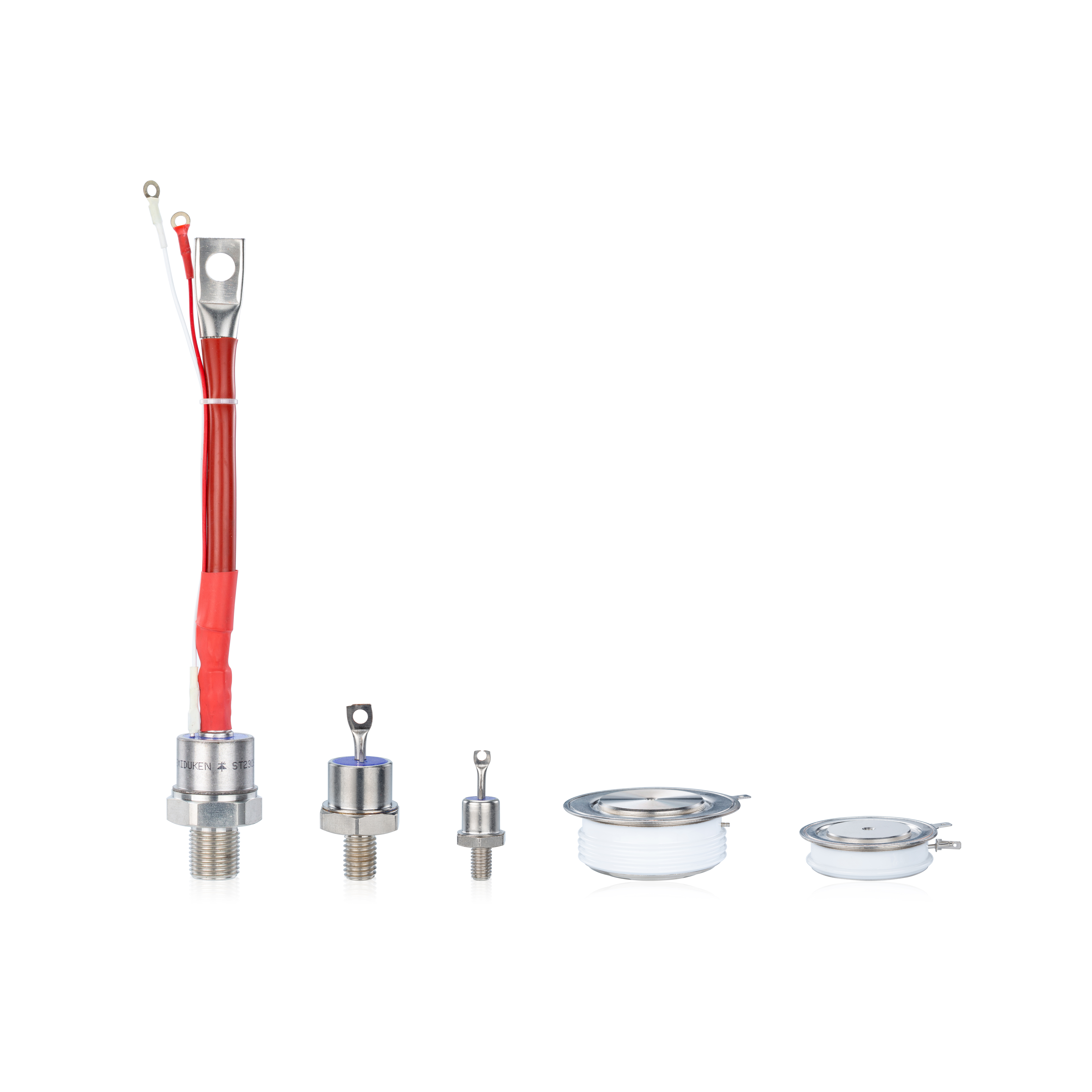
Efficient thermal design often pairs forced cooling with robust mechanical packaging like the Aluminium housing disc package low leakage current 1500A phase control thyristor. In this configuration, the Aluminium body not only protects the device from mechanical stress but also aids heat conduction, transferring thermal energy from the junction to the heat sink more efficiently.
Low leakage current is an added benefit in thermal design: a device that exhibits minimal leakage when not firing contributes less wasted energy into its own thermal budget, enabling better overall system efficiency.
4. High Current Switching Devices with Precision and Durability
Systems that rely on fast response and precise control — such as variable frequency drives, induction heating platforms, and automated welding systems — depend on high current switching device high surge I²t capacity 1500A phase control thyristor components. These devices must balance high current handling with the ability to switch rapidly between conduction states without degradation.
Switching precision — ensuring that the device transitions cleanly and predictably during control events.
Durability — ensuring that repeated switching cycles do not weaken the internal structure or reduce long‑term reliability.
Suppliers that offer accurate switching profiles, supported by real application testing, allow engineers to design gate drive and snubber circuits that complement the thyristor’s behavior. For instance, proper gate conditioning prevents misfiring and ensures predictable turn‑on behavior, critical in synchronized control environments.
5. Building Long‑Term Supplier Relationships for Performance and Support
Selecting a 1500A phase control thyristor is as much about the component itself as it is about the supplier behind it. A reliable supplier provides more than parts — they offer technical documentation, long‑term support, and design consultation that help ensure success.
High‑quality suppliers provide: Complete datasheets covering electrical, thermal, and mechanical characteristics. Surge and thermal stress test results that reflect real‑world performance. Installation guides and recommended ancillary components. Application support and failure analysis if needed.
Conclusion: Engineering Power with Confidence
Engineering robust and efficient power systems requires careful attention to component performance, integration strategies, and supplier credibility. Leveraging 1500A phase control thyristors with high surge I²t capacity, optimized forced‑cooling heat sink solutions, rugged Aluminium housing disc package design, and low leakage current characteristics provides a solid foundation for long‑lasting industrial installations.