Forced-Air vs Water-Cooling for 106A UPS Thyristor Modules: Selecting the Right Thermal Architecture
Author: Selina
1) Why Cooling Choice Is a Reliability Decision, Not a Mechanical Detail
When engineers evaluate a 106A thyristor module for UPS systems, it is easy to focus on electrical ratings first. But in field operation, temperature and temperature swing often determine whether the module remains stable for years. Cooling choice sets the thermal resistance of the system, but it also sets the maintenance burden: filters clog, fans age, coolant quality drifts, and mounting interfaces settle.
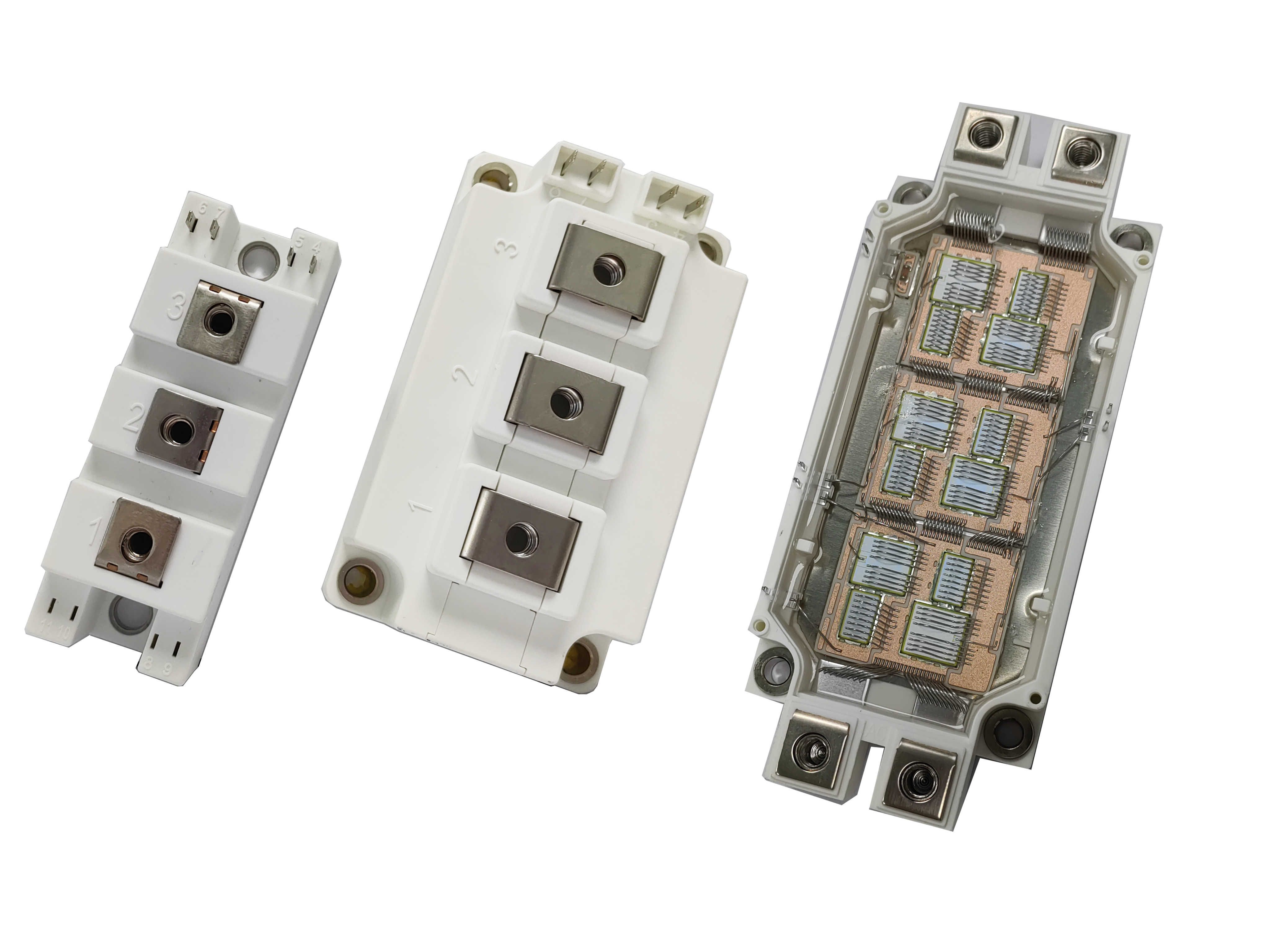
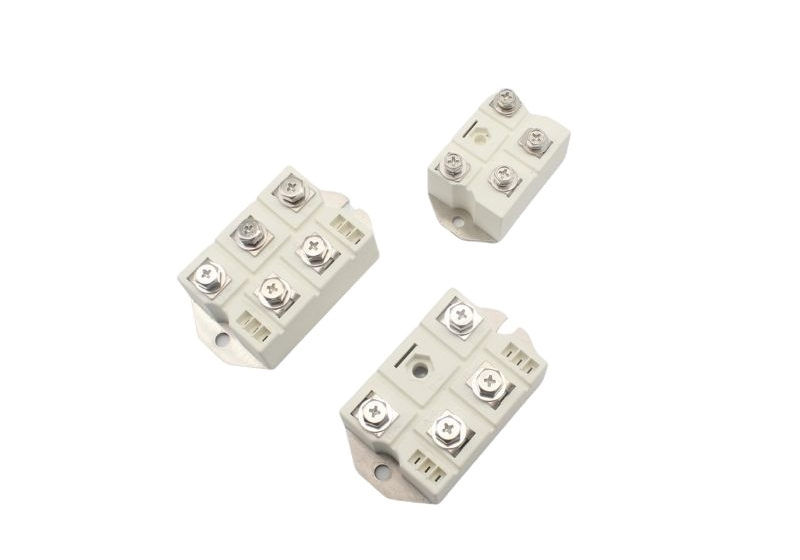
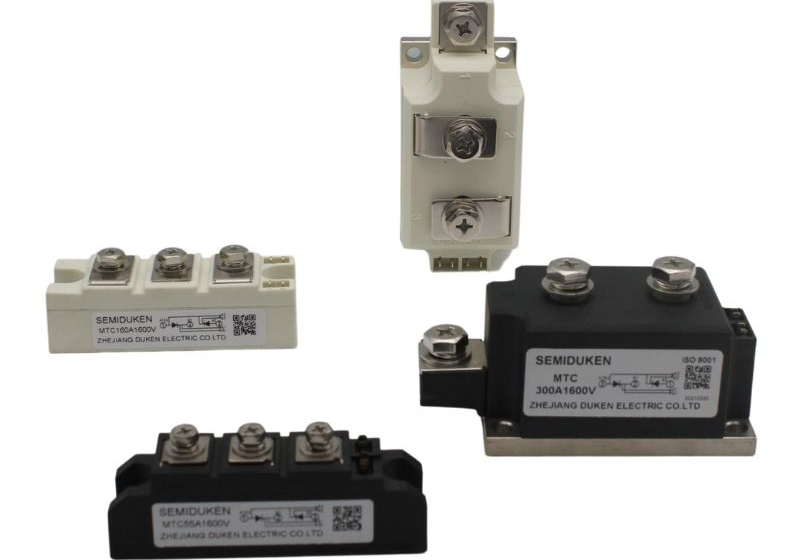
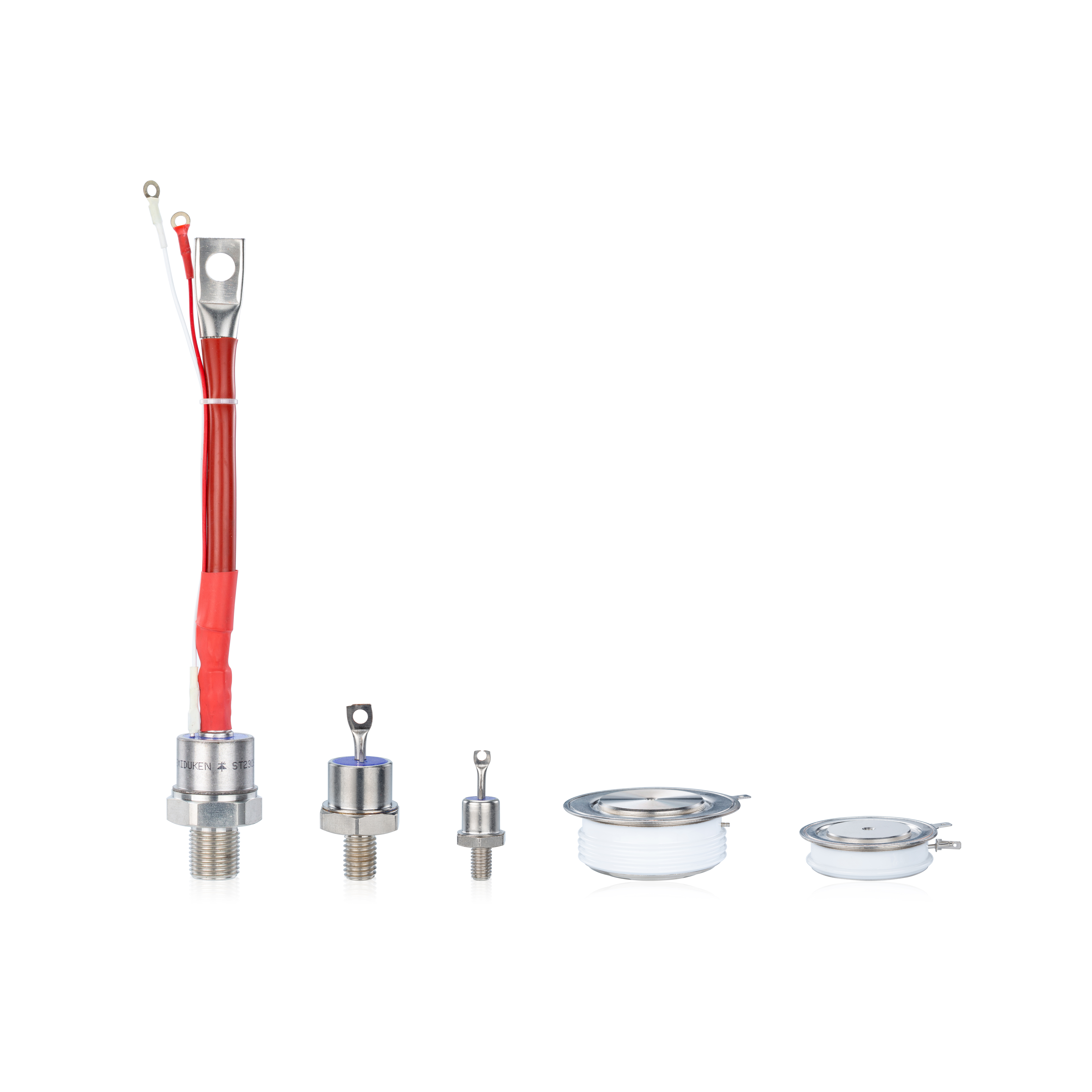
That is why product descriptors often emphasize cooling and mounting as part of the identity. A panel-mount anti-parallel forced-air-cooling 106A thyristor module for ups systems is designed for a cabinet where airflow is a controlled part of the thermal plan and where replacement should be service-friendly. By contrast, an aluminum-oxide baseplate water-cooling RoHS-compliant 106A thyristor module for ups systems indicates a higher-performance thermal path that can reduce temperature swing, but only if the cooling loop is maintained properly.
Cooling also interacts with commutation behavior and dv/dt stress. When devices run hotter, dv/dt immunity margins shrink and nuisance behavior becomes more likely, especially during UPS transfers or fault recovery. That’s one reason a high-dv/dt 7-pin industrial-grade 106A thyristor module for ups systems is often selected alongside a robust thermal plan: it gives extra tolerance when the real cabinet is noisier and hotter than expected.
2) Forced-Air Cooling: Strengths, Limits, and What Panel-Mount Really Implies
2.1 Why forced-air is common in UPS cabinets
Forced-air cooling is common because it is straightforward: heat sinks, fans, and defined airflow paths. It can be cost-effective and easy to service. Most UPS cabinets already include fan trays and airflow channels, so integrating a panel-mount anti-parallel forced-air-cooling 106A thyristor module for ups systems often fits naturally into existing mechanical standards.
Forced-air designs typically work well when airflow is stable and verified under worst-case ambient, filters are maintained and dust loading is controlled, heat sinks are sized for real harmonic and overload profiles, and the module mounting interface is repeatable.
2.2 The hidden risk: airflow degradation over time
Forced-air cooling can degrade silently. A slight airflow reduction can increase case temperature, which increases junction temperature, which reduces margin during abnormal events. Many long-life issues begin with small maintenance drift: clogged filters, partially failed fans, or recirculation zones in compact cabinets.
This is why panel-mount matters. Panel-mount implies a standardized installation approach that maintenance teams can repeat. With consistent mounting, you reduce the chance that a replacement module runs hotter than the original due to a small mechanical mismatch.
2.3 Using forced-air without losing dv/dt robustness
In real UPS cabinets, switching transients and recovery events can generate steep dv/dt. If the module is already hot because airflow has degraded, false triggering risk increases. Selecting a high-dv/dt 7-pin industrial-grade 106A thyristor module for ups systems can provide extra noise tolerance, but it should still be paired with snubber validation and clean wiring practices.
3) Water Cooling: When It’s Worth It and What It Adds to the System
3.1 Why water cooling reduces temperature swing
Water cooling can provide lower and more stable thermal resistance than air cooling. That often means lower average junction temperature, smaller junction temperature swing during load changes, and better tolerance to high ambient or compact layouts. For high density UPS designs, aluminum-oxide baseplate water-cooling RoHS-compliant 106A thyristor module for ups systems options are attractive because the baseplate and cooling approach are aligned with sustained thermal performance.
3.2 The system responsibilities that come with water cooling
Water cooling shifts some reliability burden from the heat sink to the cooling loop. You must manage coolant quality (conductivity, corrosion inhibitors), leak risk and containment, flow monitoring and alarms, and maintenance procedures and spare parts for pumps/valves. A water-cooled module can deliver excellent thermal stability, but a poorly maintained loop can create failures that look like bad modules while the real cause is cooling instability.
3.3 Baseplate material and why aluminum-oxide is emphasized
An aluminum-oxide baseplate is often used to provide electrical insulation while maintaining good heat transfer. In water-cooled assemblies, this can simplify isolation design and improve thermal stability. The descriptor aluminum-oxide baseplate water-cooling RoHS-compliant 106A thyristor module for ups systems also signals that the module is intended for regulated supply chains and documentation-heavy procurement.
4) Translating Product Descriptions into Selection Criteria
4.1 Start with the cabinet reality
Before choosing forced-air or water cooling, answer: what is the worst-case ambient and dust level, is airflow stable across the cabinet or does it vary by bay, what is the service interval and who maintains filters or coolant, and is the UPS installed in a controlled data center or harsh industrial space. If maintenance is unpredictable, forced-air may degrade; water cooling may be neglected. The best choice is the one that your service model can actually support.
4.2 Match cooling to electrical stress profile
If the UPS sees frequent transfers or abnormal events, thermal margin becomes more valuable. In those designs, pairing stable cooling with a high-dv/dt 7-pin industrial-grade 106A thyristor module for ups systems can reduce nuisance behavior and extend life. In service-oriented designs, panel-mount anti-parallel forced-air-cooling 106A thyristor module for ups systems may be the best balance because replacement and airflow verification are simpler.
5) Practical Recommendations and Common Mistakes
5.1 Recommendations
Validate case temperature under worst-case load and ambient.
Design for temperature swing reduction, not only average temperature.
For forced-air, design maintenance into the cabinet: filters, fan monitoring, clear airflow paths.
For water cooling, implement flow and leak monitoring and documented coolant maintenance.
Align dv/dt margin and wiring practices with the chosen thermal plan.
5.2 Common mistakes
Assuming fan curves are valid after dust loading.
Selecting a water-cooled module without a maintenance plan.
Ignoring the effect of thermal rise on dv/dt immunity margin.
Treating baseplate and mounting as mechanical details rather than reliability factors.
Not standardizing service replacement procedures for panel-mount assemblies.