1000A Phase Control Thyristor Price Guide for Industrial Buyers
s the backbone of modern industrial energy control, 1000A phase control thyristors play a vital role in high-power converters, AC voltage regulators, and DC drives across steel production, mining, and traction systems.
But if you think pricing these components is just about checking current and voltage ratings — think again.
To make the right investment, technical buyers and engineers must evaluate multiple performance parameters and package-level innovations. Here's a breakdown of what truly drives pricing, and why some 1000A thyristors cost 30–50% more — and are worth every cent.
1️⃣ Junction Temperature & Gate Trigger Control: Reliability in Harsh Environments
At the top of the price spectrum, you'll find high junction temperature, gate-controlled thyristors. These devices can sustain operation up to 150°C junction temperature — a must-have for:
Steel melting furnaces
Oil drilling rigs
Desert-deployed power equipment
What adds cost?
Narrow gate trigger current thresholds
Enhanced dv/dt and di/dt immunity
Precision-matched gate-cathode structures for minimal switching loss
In downtime-sensitive environments, trigger accuracy = uptime assurance. Buyers in mission-critical sectors often choose these components regardless of price premium, because every millisecond of performance counts.
2️⃣ Low Losses & Thermal Stability: Efficiency-Driven Cost Justification
Another major pricing factor is on-state voltage drop (V<sub>T</sub>) and how the device handles thermal stress. A low V<sub>T</sub> thyristor reduces power loss during conduction, directly impacting system efficiency.
✅ Typical savings:
Up to 5% reduction in energy consumption in large rectifier stations
Cooler operating temps = longer component lifespan
Smaller heatsink requirements in compact power stacks
Devices with low V<sub>T</sub> + high RMS current capacity often feature advanced silicon chip layouts and internal heat spreaders, which add manufacturing cost — but deliver long-term operational savings in return.
3️⃣ Mechanical Design & Surge Withstand: Build Quality Matters
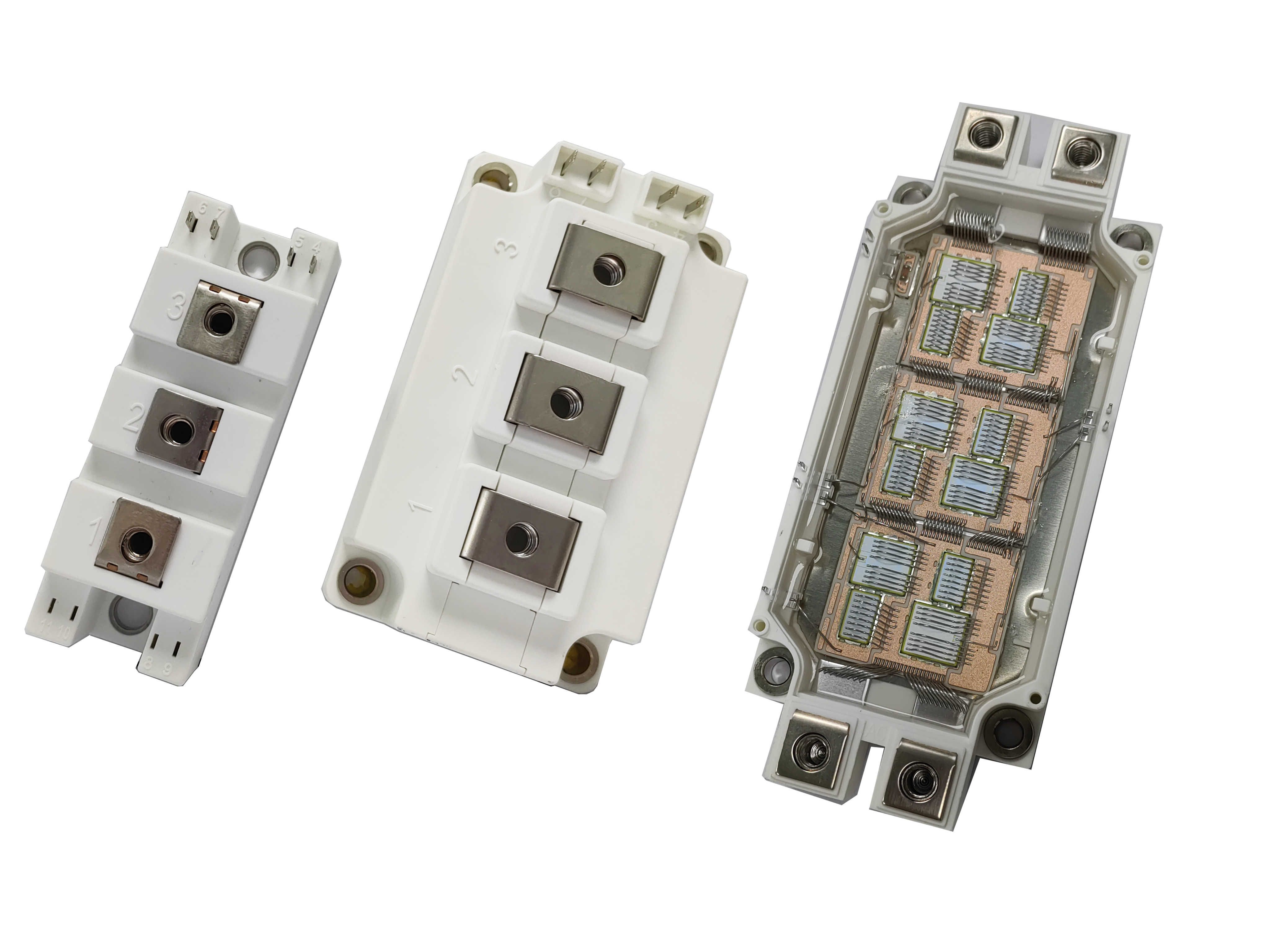
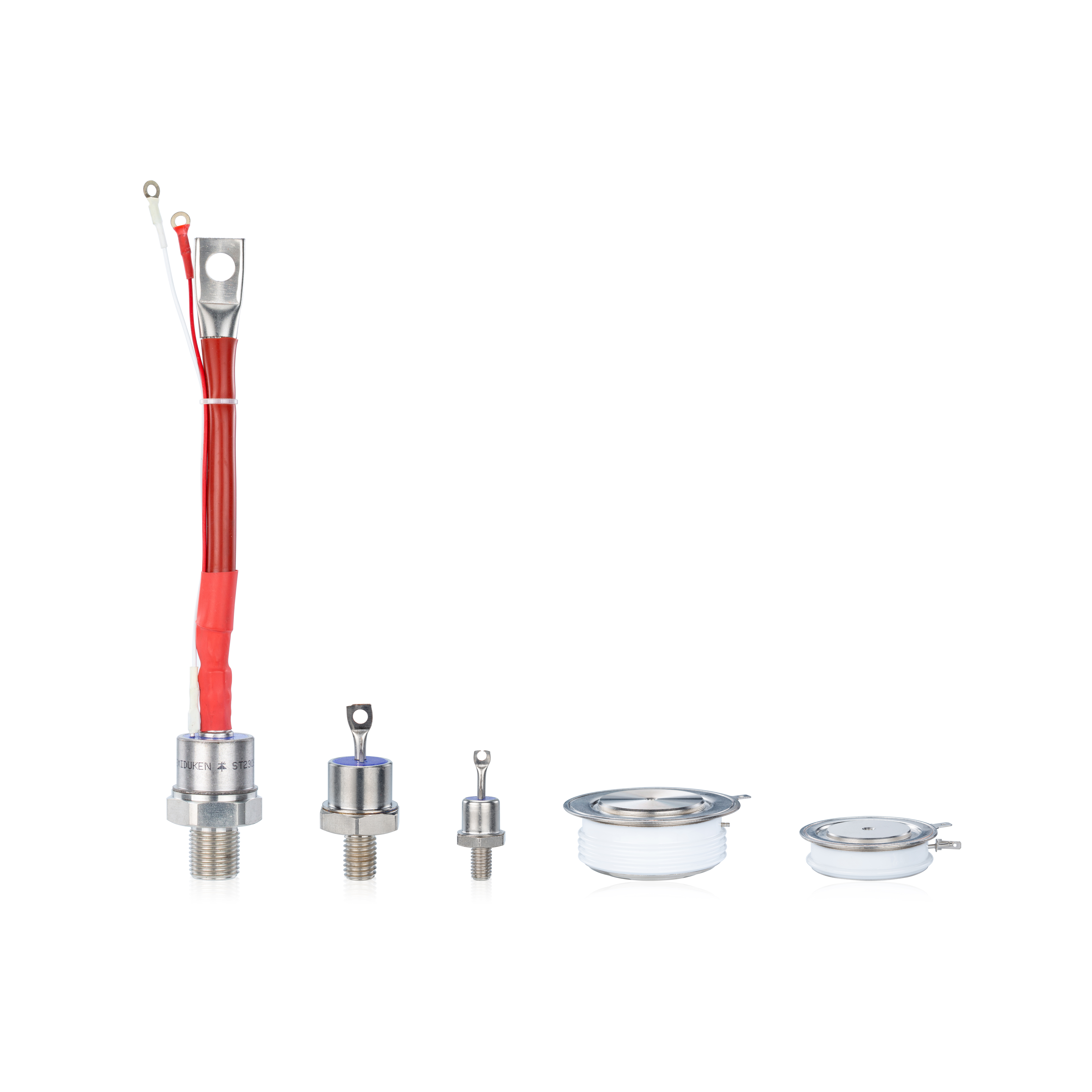
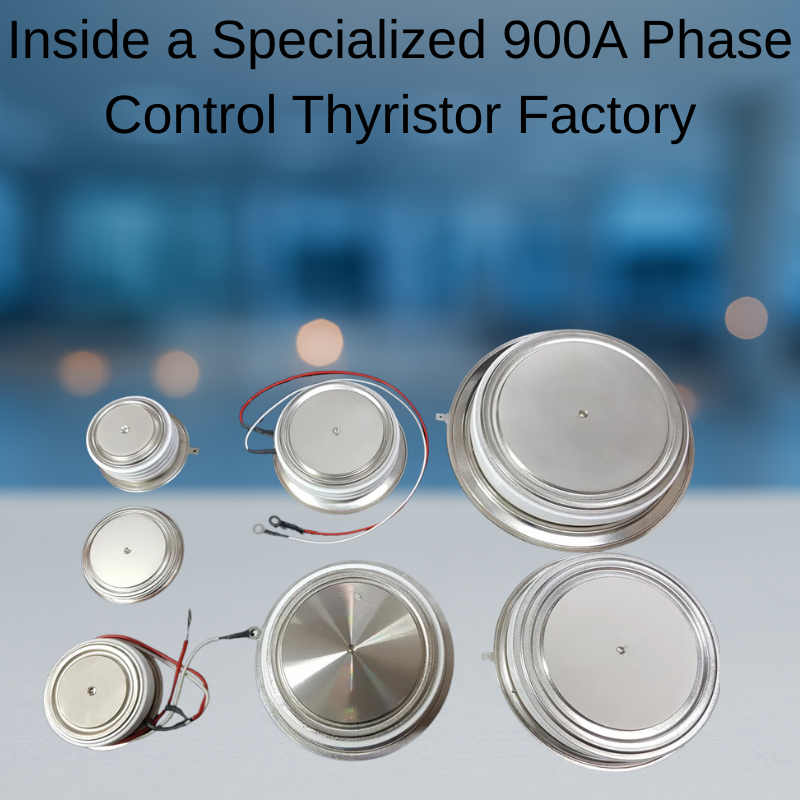
Don't underestimate the role of the mechanical package. The aluminum housing disc-type 1000A thyristors are engineered for:
High surge current ratings (30kA and above)
Extreme mechanical shock resistance
Excellent thermal cycling under high humidity or vibration
Compared to standard plastic packages, these disc-type modules have ceramic-to-metal sealing, improved creepage distances, and better mounting stress distribution — ideal for:
Railway traction systems
Grid-tied wind converters
Smelting plant controllers
Yes, they're pricier — but offer lower failure rates, even in aggressive duty cycles.
4️⃣ Certification, Origin & Total Cost of Ownership
A "cheap" thyristor may come with hidden costs:
Lack of CE/RoHS/UL certification = customs or project approval delays
Inconsistent triggering or poor thermal bonding = early failure risks
Absence of traceability = trouble for Tier-1 integrators